A Remote Wilderness in Western Tanzania
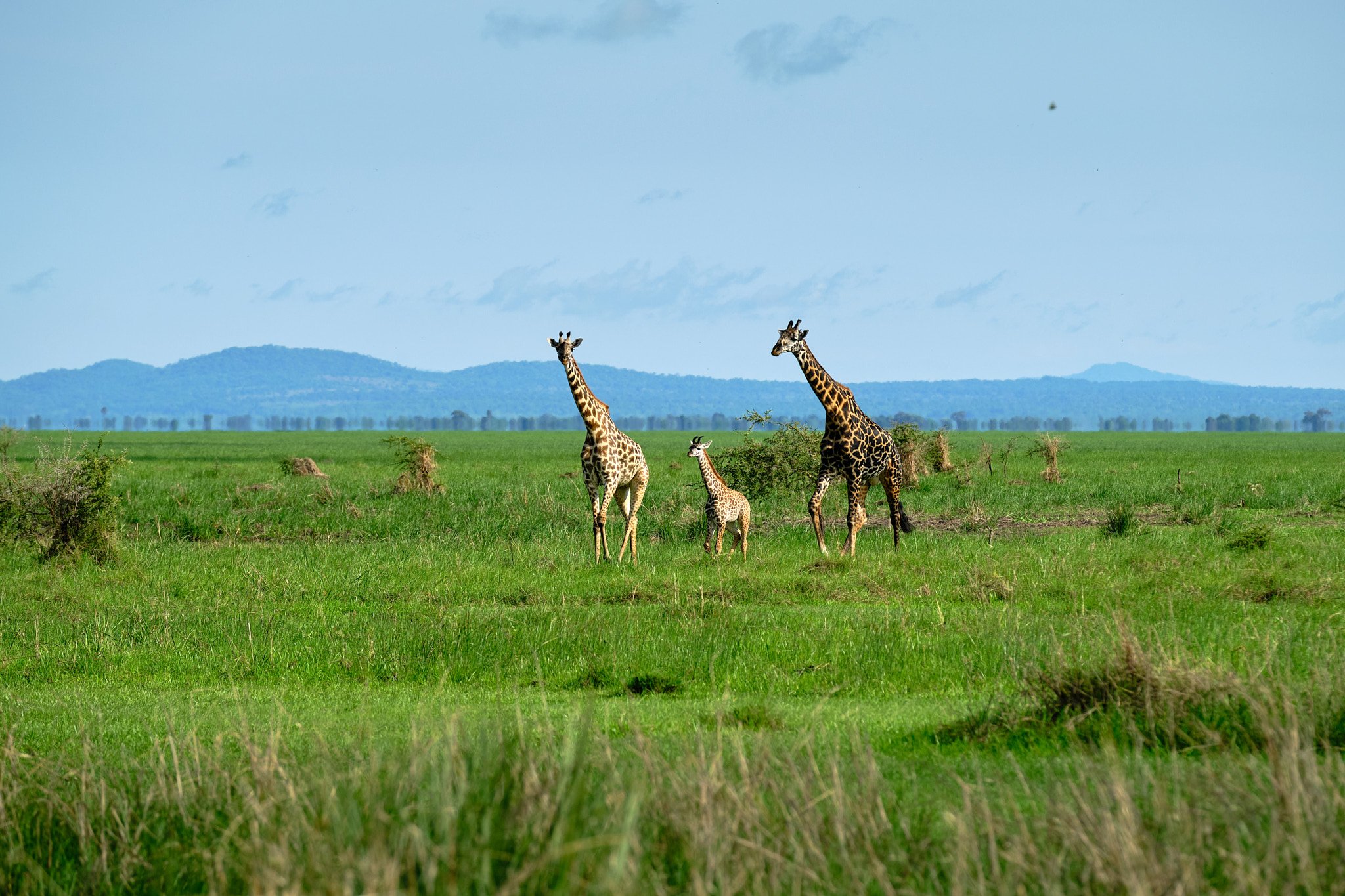
Katavi National Park is one of Tanzania’s most remote safari destinations. It lies in the western part of the country, far from the busy northern safari routes. The park covers approximately 4,471 km² of floodplains, woodlands, seasonal lakes and open grasslands. Its remote setting offers a quiet safari with fewer vehicles. It is an excellent choice for travellers seeking a wild and less-visited part of Africa.
Famous for Huge Buffalo Herds
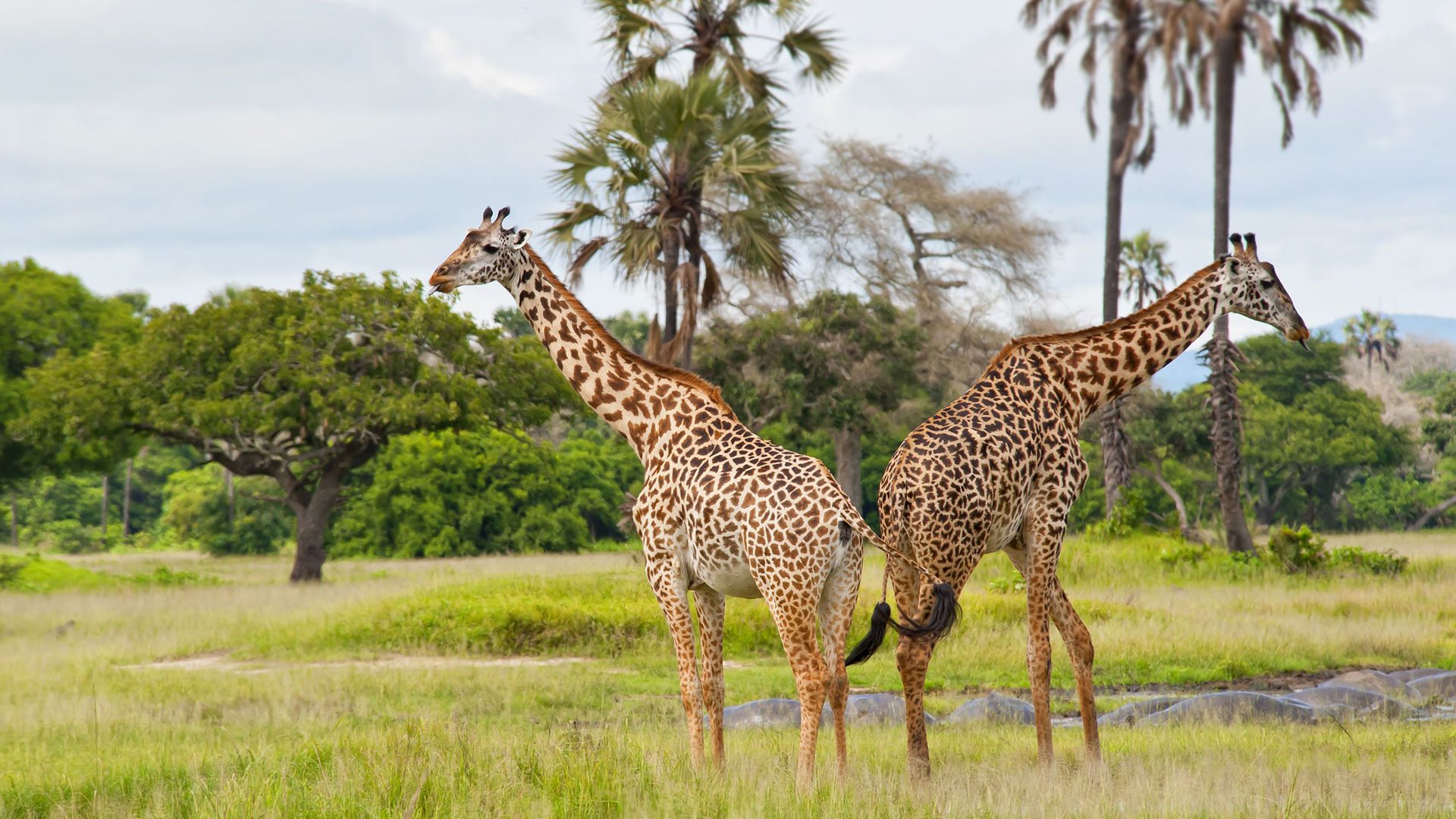
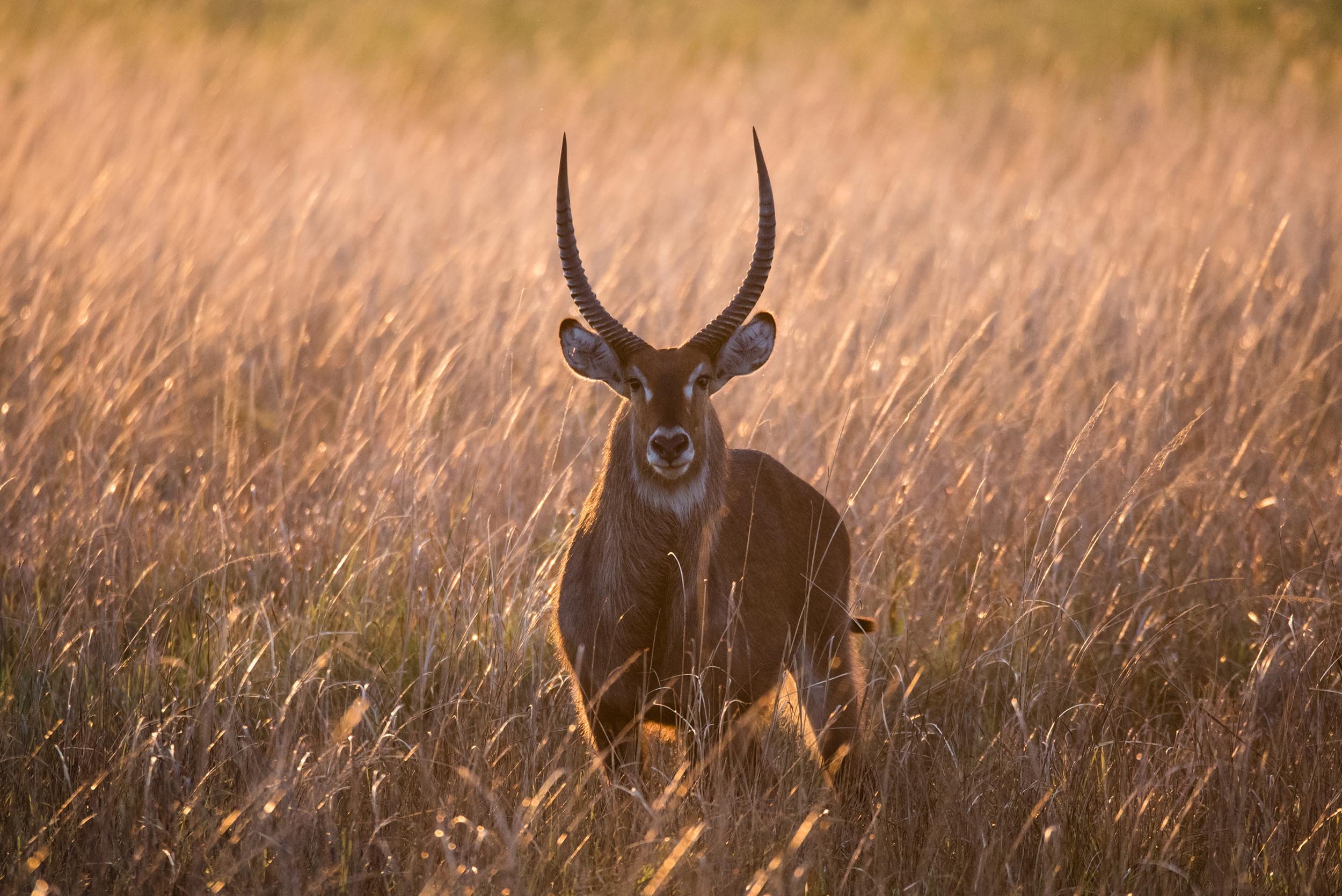
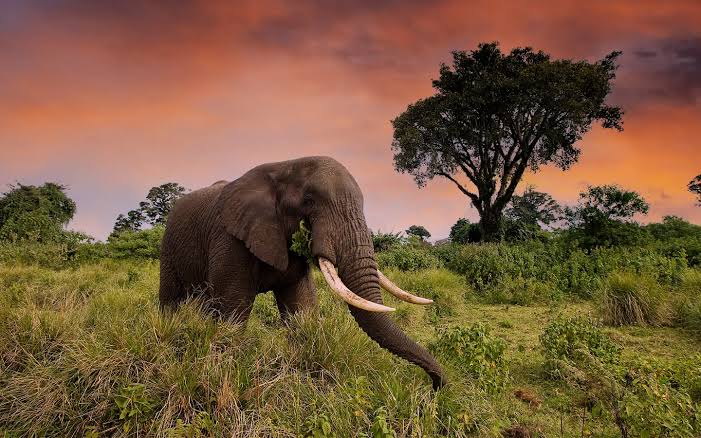
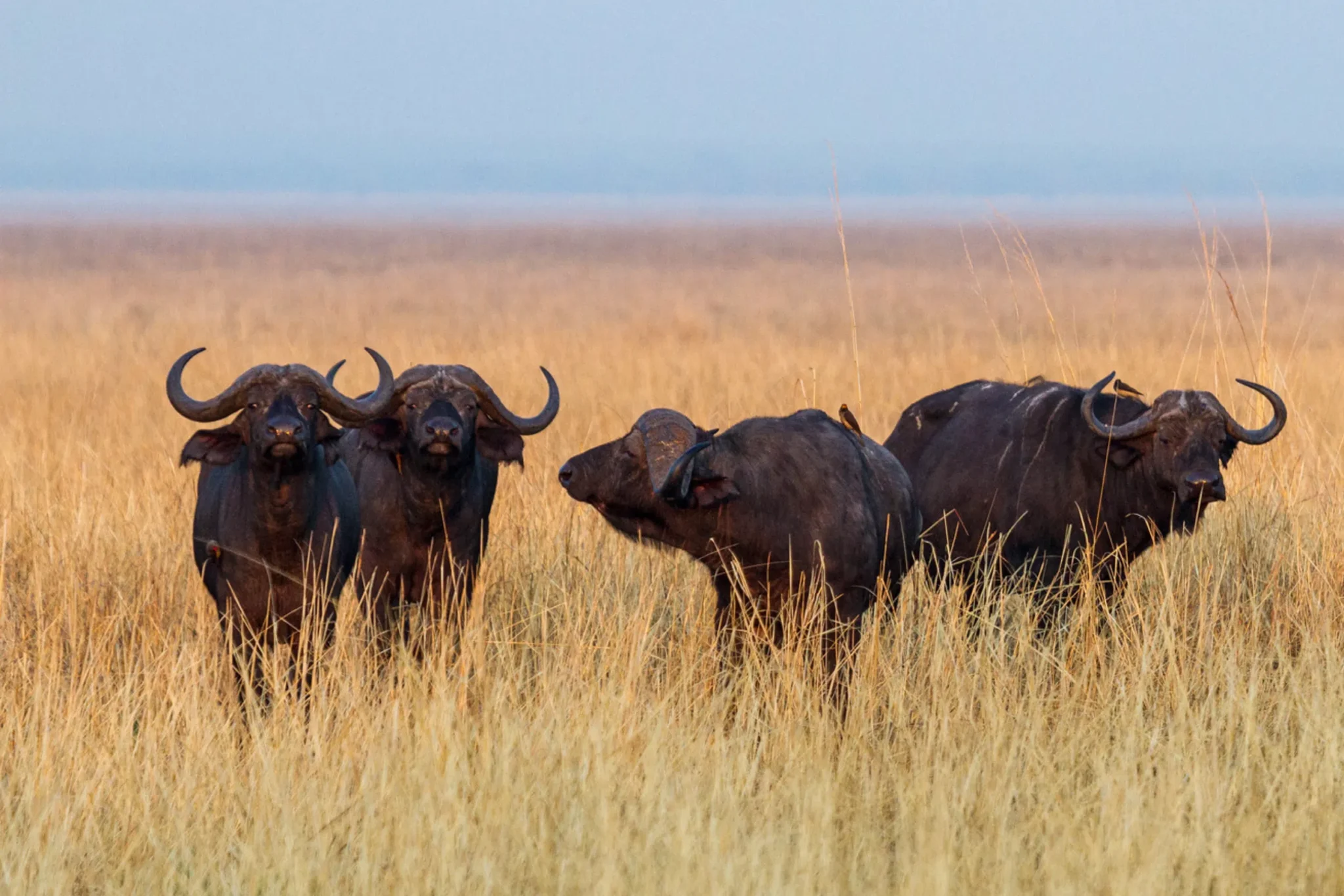
Katavi is known for its large herds of African buffalo. During the dry season, thousands of buffalo may gather on the open plains near the remaining water sources. Elephants, zebras and several antelope species also move across these landscapes. These seasonal gatherings create some of the park’s most impressive wildlife scenes. They also attract predators that follow the herds.
Hippos, Crocodiles and Powerful Predators
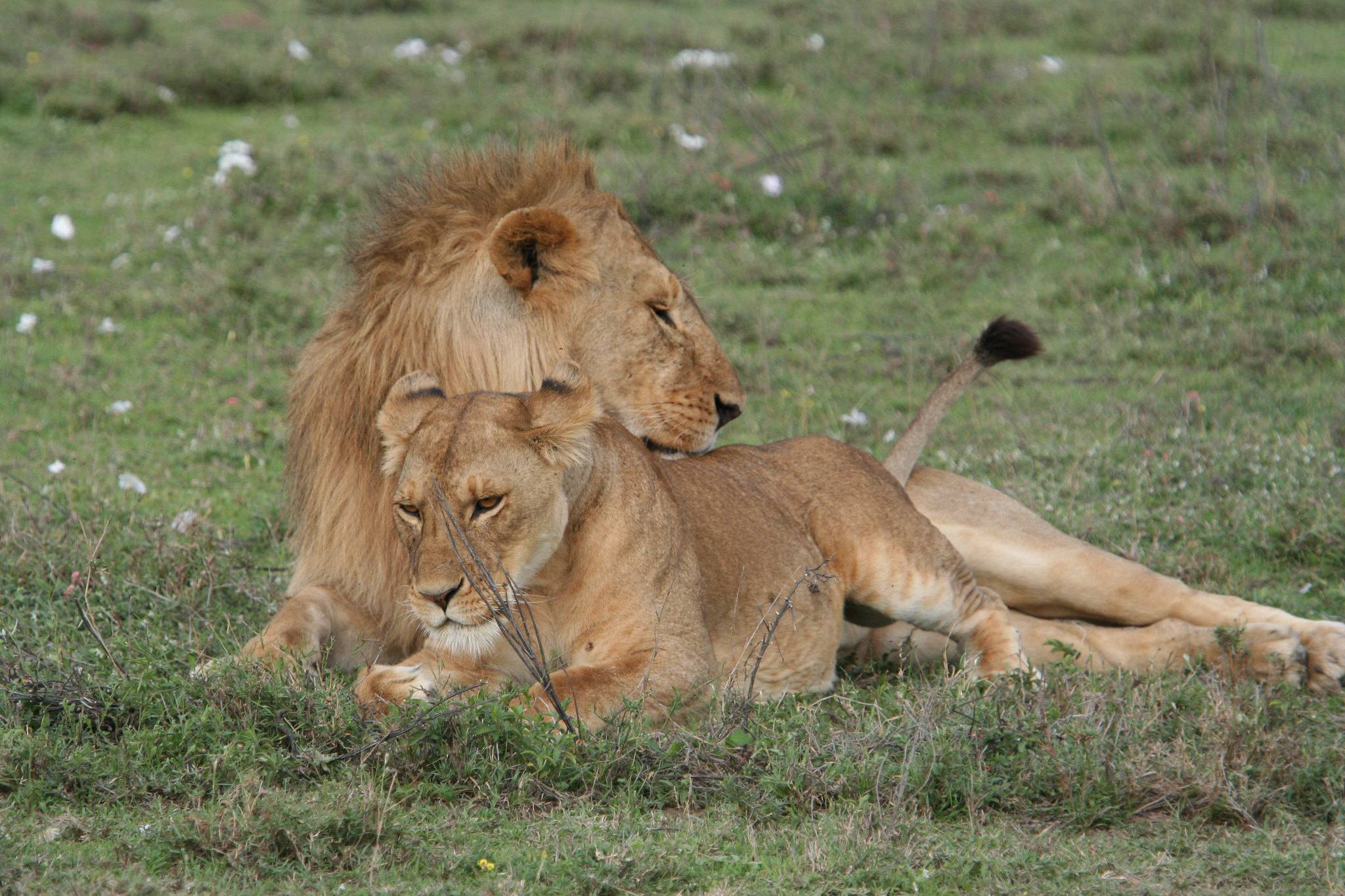
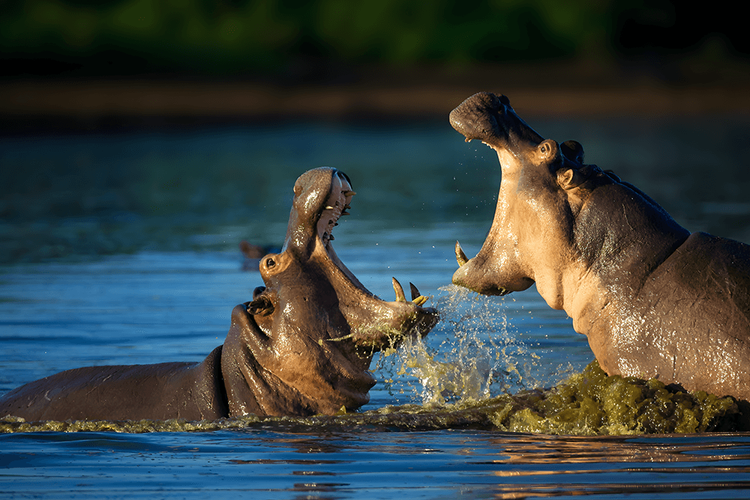
The Katuma River is one of Katavi’s most important wildlife areas. As the dry season progresses, water levels fall and hippos crowd into shrinking pools. Large Nile crocodiles can be seen along the muddy riverbanks. Lions and spotted hyenas patrol the floodplains, while leopards live in thicker vegetation. These close encounters with wildlife give Katavi its reputation for dramatic, natural behaviour.
Vast Floodplains and Untouched Landscapes
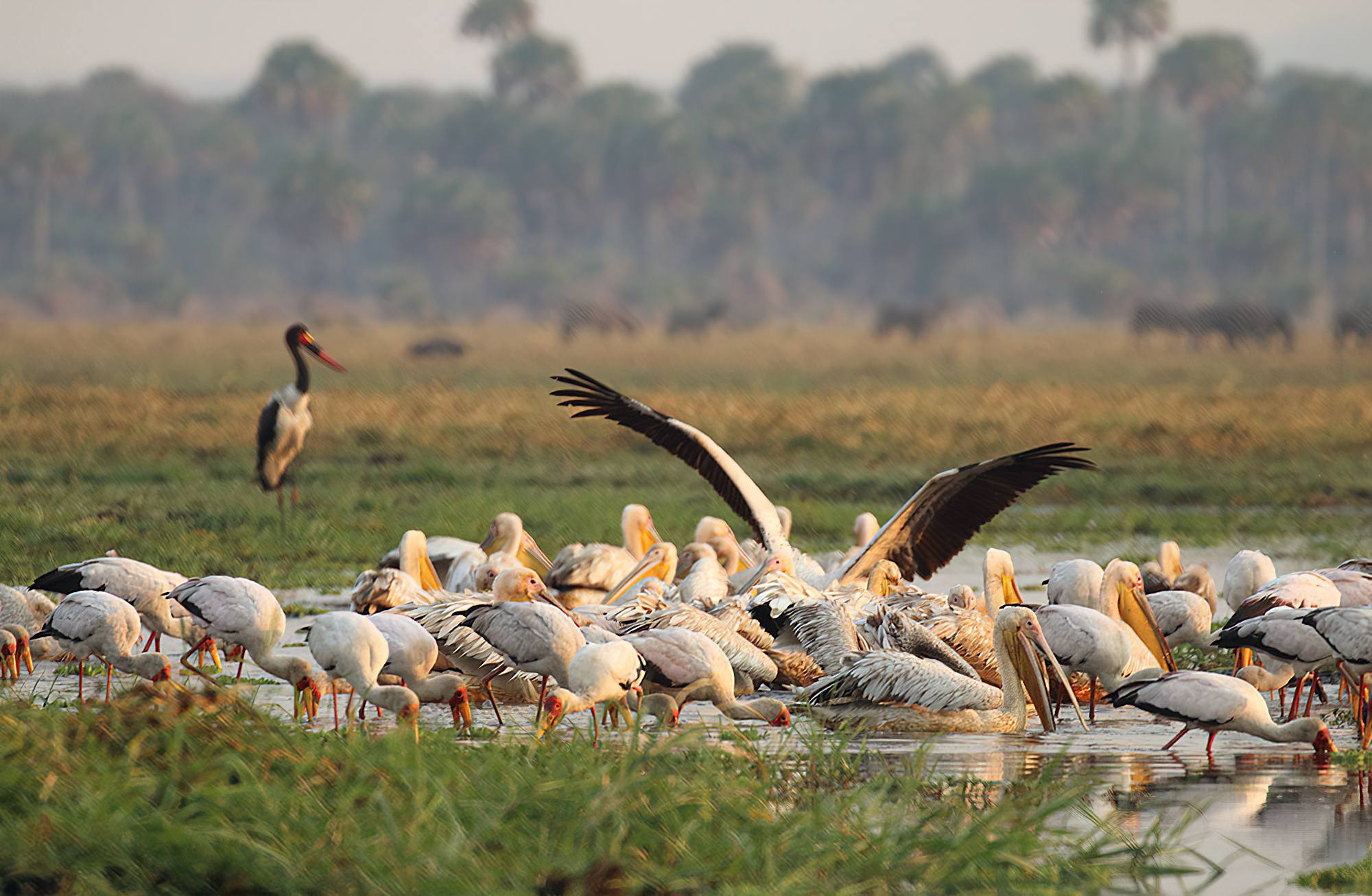
Katavi’s scenery changes greatly between the wet and dry seasons. Seasonal lakes, including Lake Katavi and Lake Chada, fill with water and attract birds and other wildlife during wetter months. As the water recedes, animals gather around the remaining pools and river channels. Miombo woodlands, open grasslands and palm-lined wetlands add variety to the landscape. This natural cycle shapes the park’s wildlife throughout the year.
A True Off-the-Beaten-Path Safari
Katavi offers a different kind of safari from Tanzania’s more popular parks. Visitor numbers are generally low, and wildlife encounters can feel remote and undisturbed. Travellers can explore by four-wheel-drive vehicle, join guided walking safaris or enjoy birdwatching. The park is also known for its cultural connection to Katabi, a revered local spirit associated with the area. Its wilderness, wildlife and sense of isolation make it a distinctive destination for experienced safari travellers.