Lake Manyara National Park

Best time to visit:

June–October

Park size:

648.7 km²

Best known for:

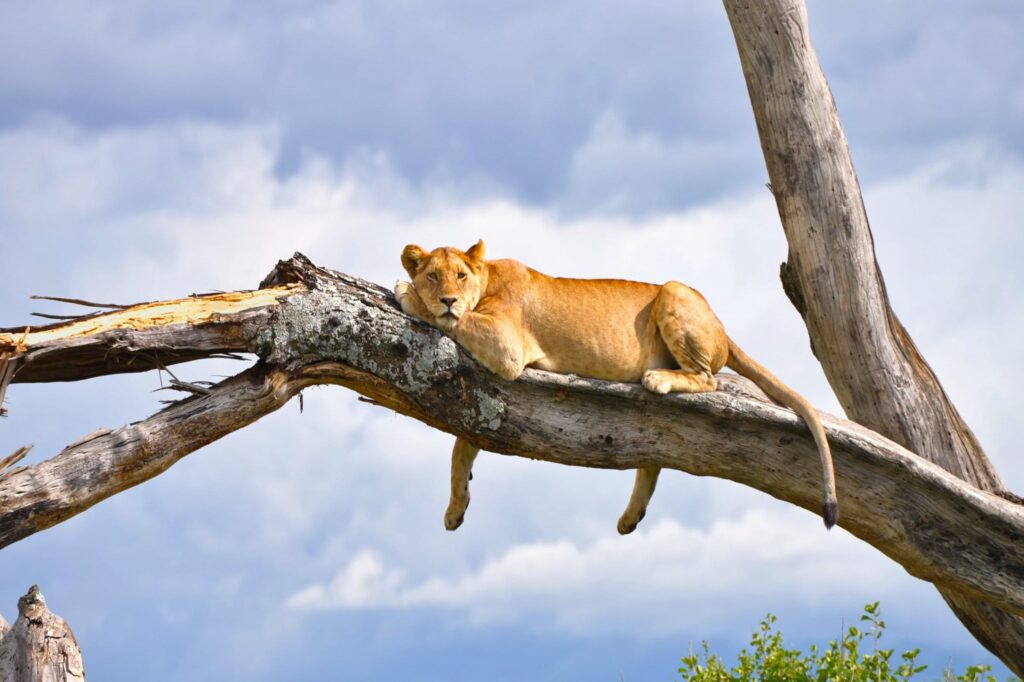
Tree-climbing lions

Overview

A Scenic Safari Destination in the Great Rift Valley

Lake Manyara National Park is a beautiful wildlife destination in northern Tanzania. It lies at the base of the Great Rift Valley escarpment, between Arusha and the Ngorongoro region. The park combines a shallow alkaline lake, open grasslands, acacia woodlands and lush groundwater forests. Its varied landscapes create excellent opportunities for wildlife viewing and photography. Lake Manyara is a popular stop on Tanzania’s Northern Safari Circuit.

Famous for Tree-Climbing Lions

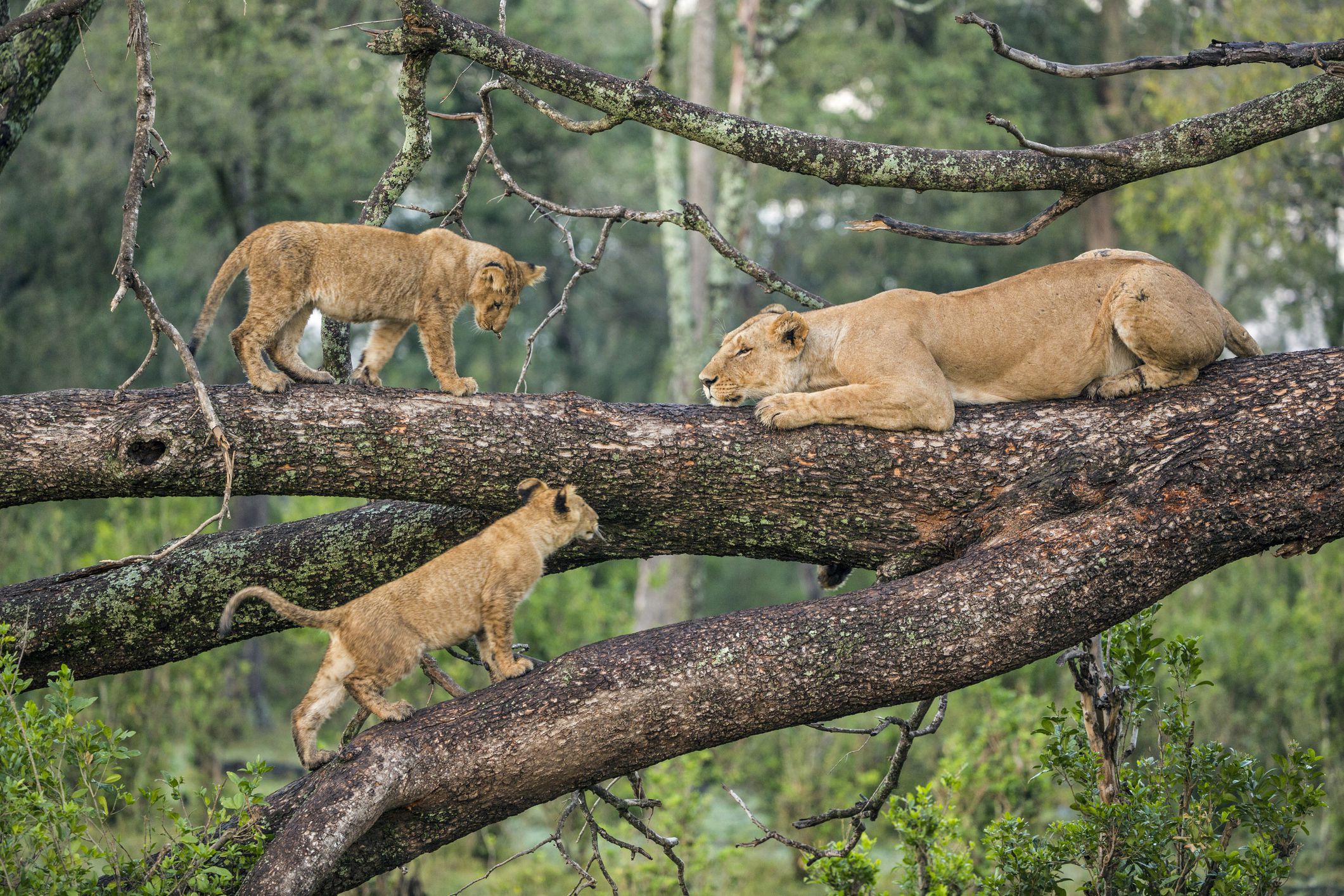
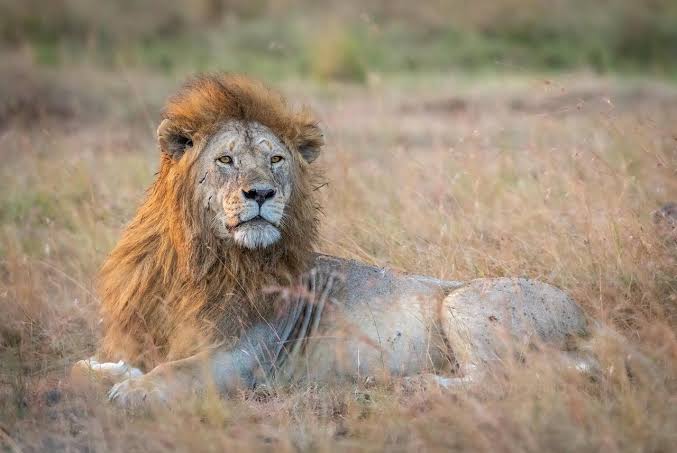
Lake Manyara is widely known for its unusual tree-climbing lions. These lions sometimes rest on large branches above the ground, offering visitors a rare wildlife sight. The behaviour is not guaranteed, but it is one of the park’s most famous attractions. Lions share the landscape with elephants, buffaloes, zebras and other mammals. These encounters make Lake Manyara a rewarding destination for a classic African safari.

A Haven for Elephants and Other Wildlife

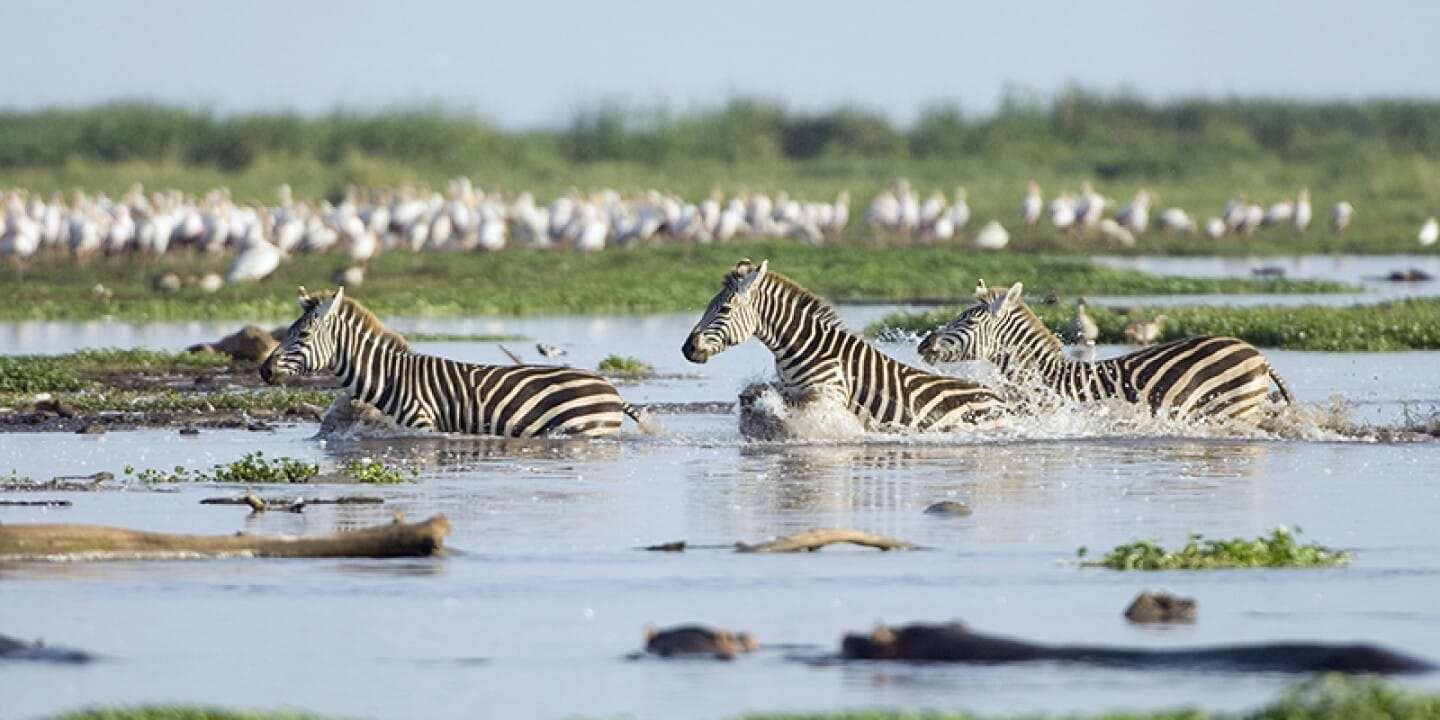
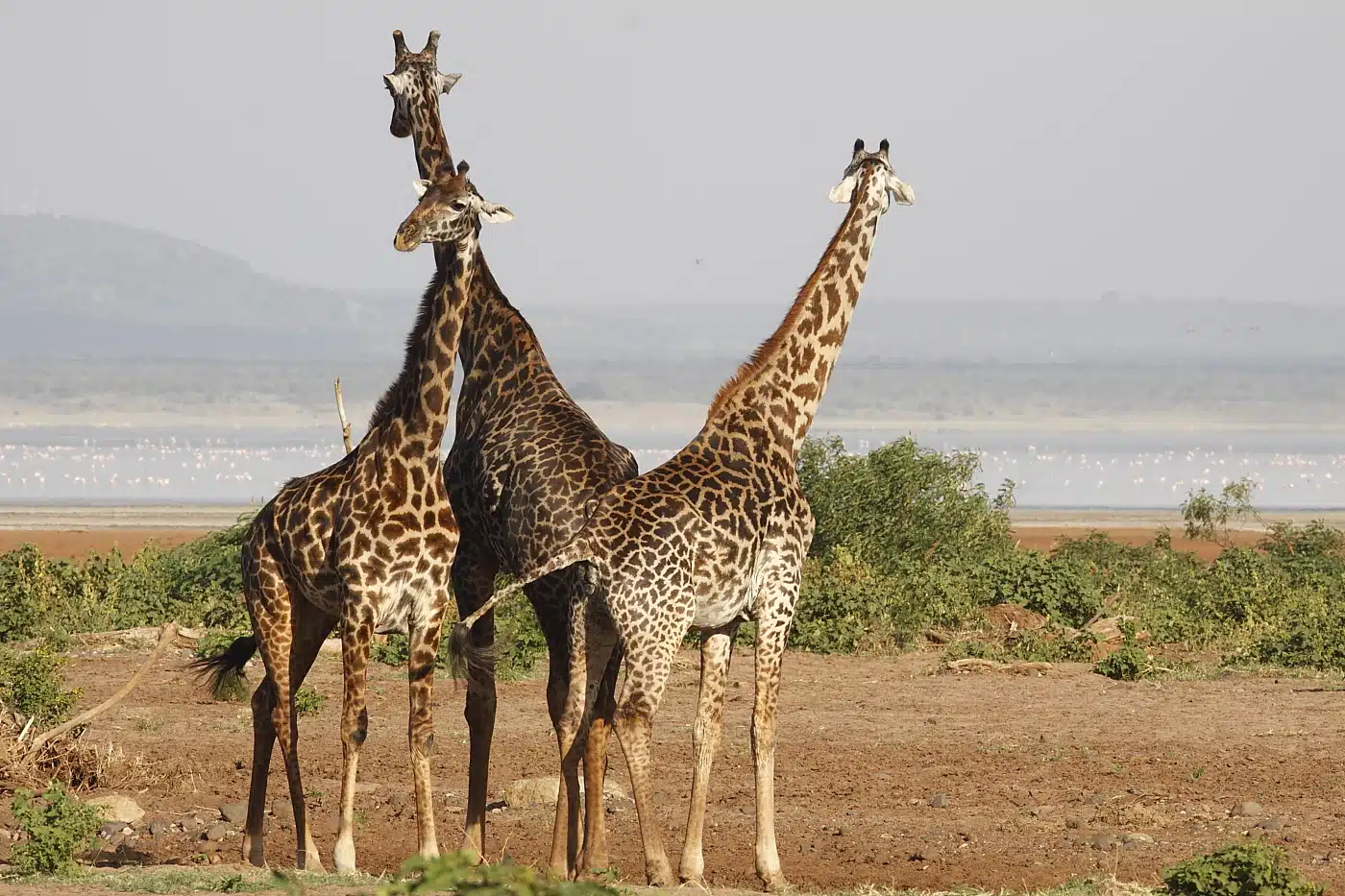
The park supports a rich variety of wildlife in a relatively compact area. Large elephants move through the woodlands, while giraffes browse on trees along the open plains. Buffaloes, hippos, zebras and several antelope species also inhabit the park. Baboons and blue monkeys are common sights in the groundwater forest. This mix of habitats allows visitors to encounter different animals during a single game drive.

Flamingos, Forests and Rift Valley Scenery

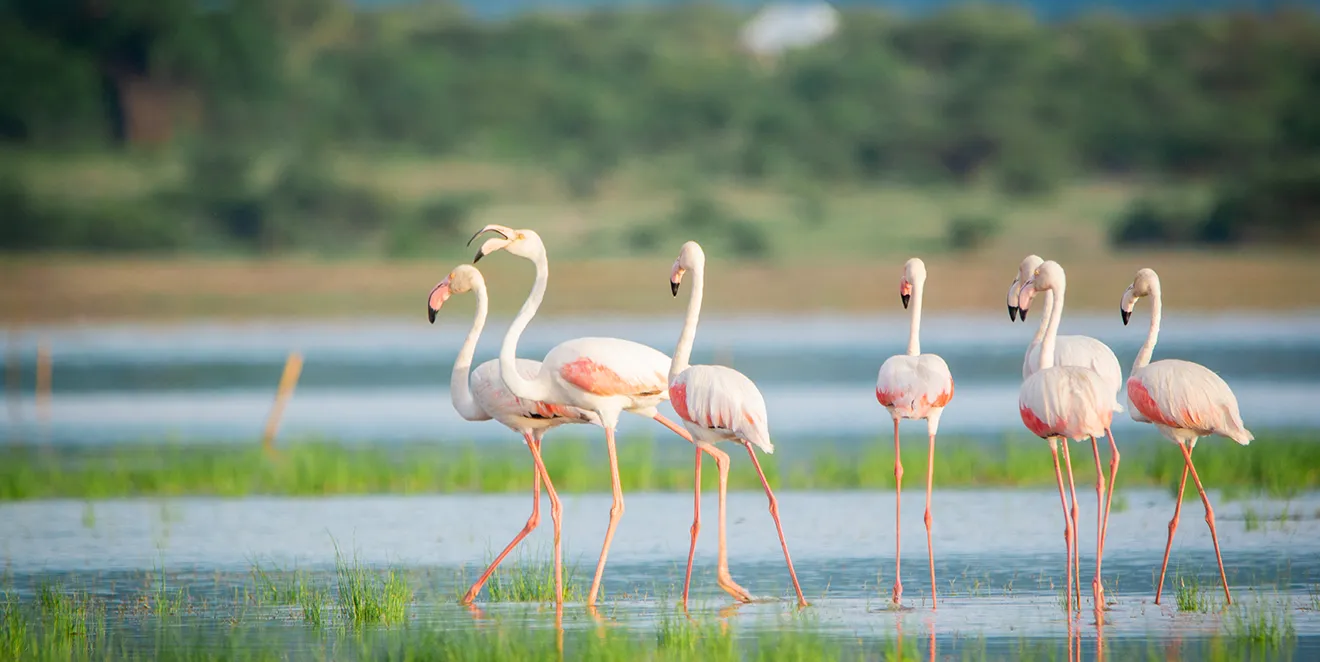
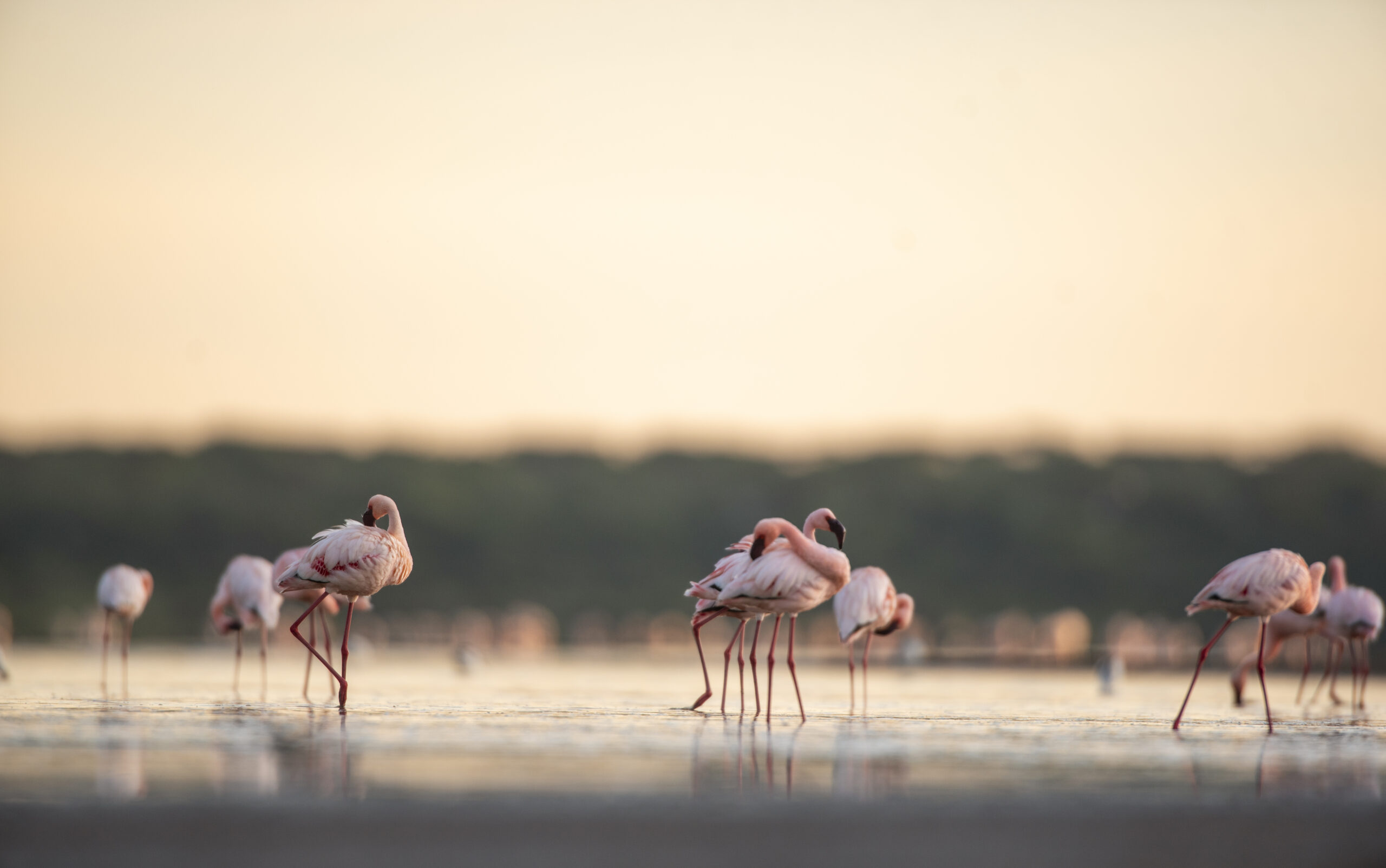
Lake Manyara’s shallow alkaline waters attract flamingos and many other waterbirds when conditions are suitable. The lake sits beneath the dramatic wall of the Great Rift Valley, creating striking views across the landscape. Near the park entrance, a lush groundwater forest provides shade and shelter for primates and forest birds. Further south, wetlands, hot springs and open floodplains add to the park’s natural diversity.

Birdwatching and Unique Safari Experiences

Lake Manyara is an excellent destination for birdwatching, with more than 400 recorded bird species. Visitors may spot pelicans, storks, herons, hornbills and African fish eagles. Game drives are the main way to explore the park, while the canopy walkway offers a different view of the forest. Depending on current conditions and permitted activities, visitors may also enjoy guided walks or canoeing when water levels allow. These experiences make Lake Manyara more than just a wildlife-viewing destination.
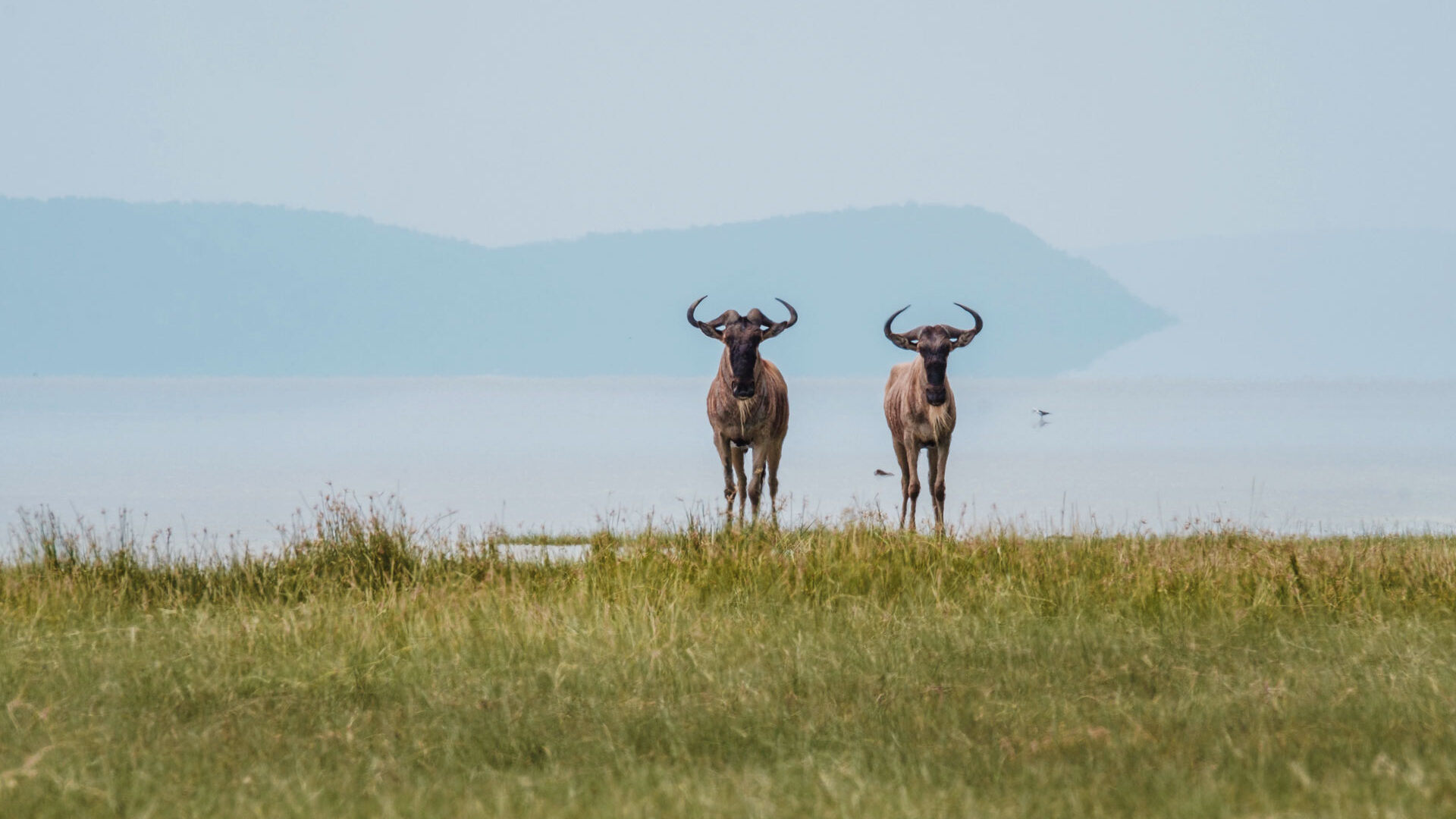
Iconic wildlife

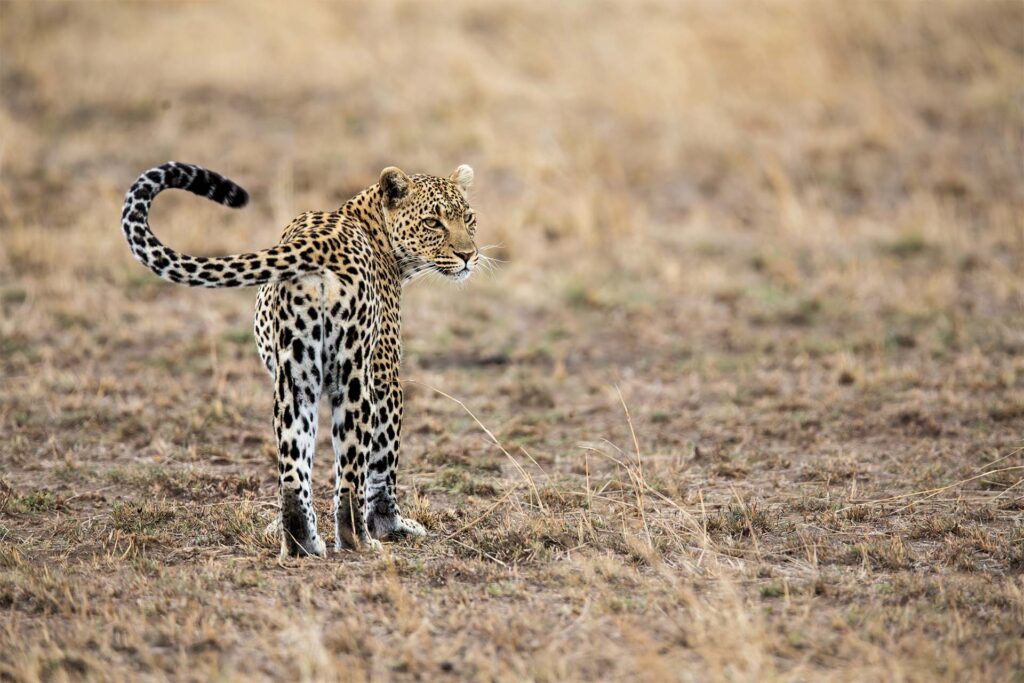
Lion Flamingos Olive Baboon Monkey Wildebeest Zebra Leopard Cheetah African Elephant Buffalo Giraffe Hippopotamus

When To Visit Lake Manyara National Park

Lake Manyara National Park in January

January brings warm weather and green scenery. The lake and wetlands attract waterbirds, and migratory birds may be present. Wildlife viewing remains rewarding, although occasional rain can affect some roads.

Overview

A Very good time to Visit, with Pros & Cons

Weather in January

Overview

A Very good time to Visit, with Pros & Cons

Weather in January

Lake Manyara National Park in February

February often offers warm days and attractive landscapes. Resident wildlife remains active, while birdwatching can be excellent. It is a good month for combining game drives with photography.

Overview

A Very good time to Visit, with Pros & Cons

Weather in February

Overview

A Very good time to Visit.

A Very good time to Visit, with Pros & Cons

Weather in February

Lake Manyara National Park in March

February often offers warm days and attractive landscapes. Resident wildlife remains active, while birdwatching can be excellent. It is a good month for combining game drives with photography.

Overview

A Very good time to Visit, with Pros & Cons

Weather in March

Overview

A Very good time to Visit, with Pros & Cons

Weather in March

Lake Manyara National Park in April

April is usually one of the wettest months. The groundwater forest looks lush, and the Rift Valley scenery can be especially beautiful. However, heavy rain may affect road conditions and travel plans.

Overview

This is not a great time to visit.

Weather in April

Overview

This is not a great time to visit.

Weather in April

Lake Manyara National Park in May

Rain may continue through May, although conditions can improve toward the end of the month. The park remains green, and birdwatching can be rewarding. Visitors should prepare for occasional showers and muddy sections of road.

Overview

Weather in May

Overview

Weather in May

Lake Manyara National Park in June

June marks the start of the main dry season. Rain becomes less frequent, and game drives often become easier. Wildlife viewing can be excellent as vegetation begins to thin and conditions improve.

Overview

A Very good time to Visit.

Weather in June

Overview

A Very good time to Visit.

Weather in June

Lake Manyara National Park in July

July offers favourable conditions for exploring the park. Elephants, giraffes, buffaloes and other mammals can be seen across different habitats. Clearer skies also provide excellent opportunities for landscape photography.

Overview

A Very good time to Visit.

Weather in July

Overview

A Very good time to Visit.

Weather in July

Lake Manyara National Park in August

August is one of the strongest months for general game viewing. Dry conditions make it easier to explore the park’s woodlands, grasslands and lake shores. Visitors may also spot lions resting in trees, although sightings are never guaranteed.

Overview

A Very good time to Visit.

Weather in August

Overview

A Very good time to Visit.

Weather in August

Lake Manyara National Park in September

September usually brings continued dry weather. Animals can be easier to spot in open areas, while the lake and forest provide varied settings for photography. It is an excellent month for combining wildlife viewing with scenic drives.

Overview

A Very good time to Visit.

Weather in September

Overview

A Very good time to Visit.

Weather in September

Lake Manyara National Park in October

October is generally warm and dry, although the first short rains may arrive toward the end of the month. Wildlife viewing remains rewarding, and the park’s varied habitats offer excellent photographic opportunities.

Overview

A Very good time to Visit.

Weather in October

Overview

A Very good time to Visit.

Weather in October

Lake Manyara National Park in December

December brings greener landscapes and warm conditions. Birdwatching remains rewarding, and the park’s forests and wetlands offer attractive scenery. Occasional showers may affect some activities, but game drives remain possible.

Overview

A Very good time to Visit, with Pros & Cons

Weather in December

Overview

A Very good time to Visit, with Pros & Cons

Weather in December

Lake Manyara National Park in November

Short rains often begin in November. Fresh vegetation brightens the landscape, and migratory birds may arrive. Flamingos and other waterbirds may be present in varying numbers, depending on lake conditions.

Overview

A Very good time to Visit, with Pros & Cons

Weather in November

Overview

A Very good time to Visit, with Pros & Cons

Weather in November

Places to Stay in Lake Manyara National Park