Introduction
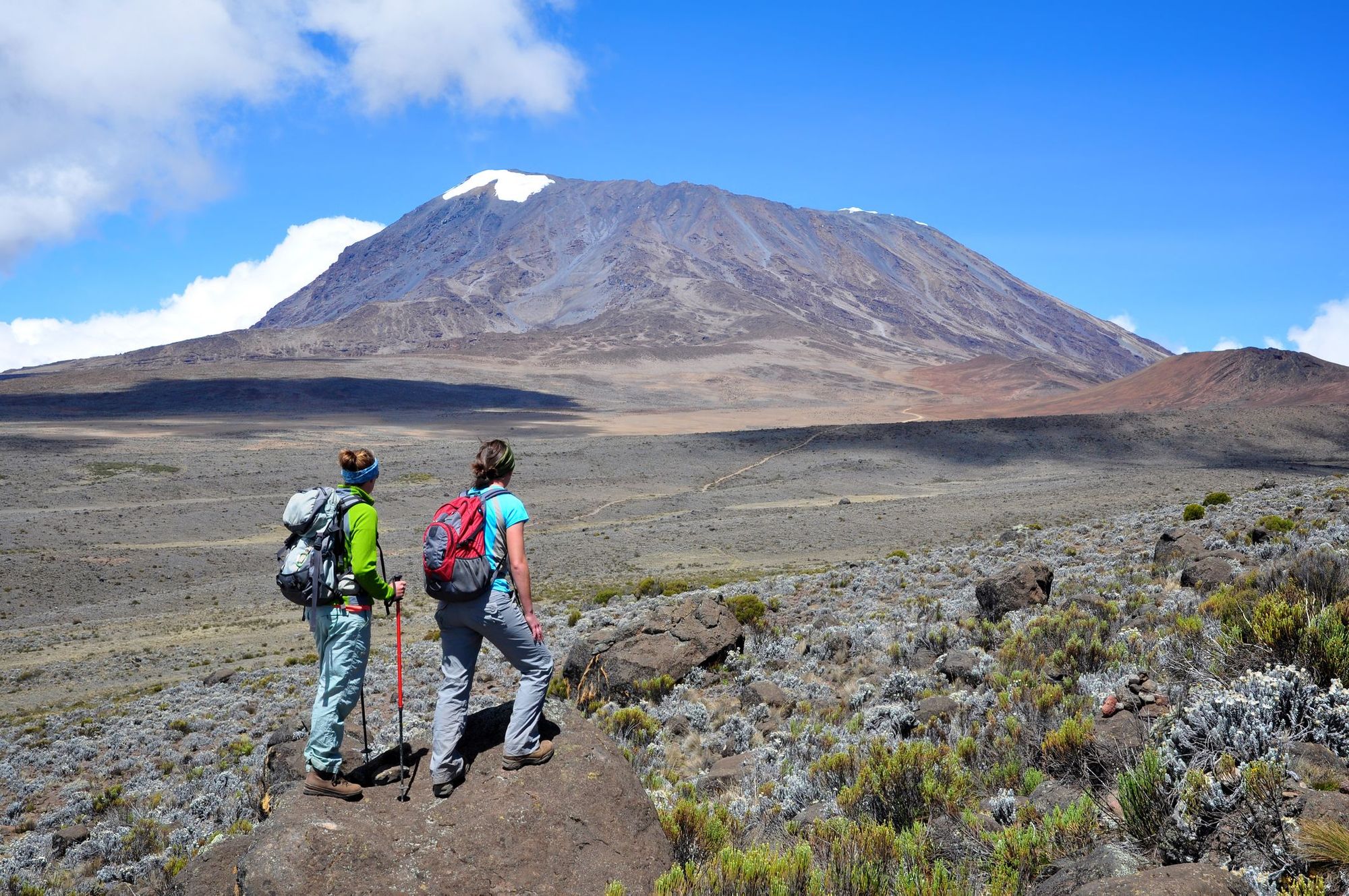
Climbing Mount Kilimanjaro is one of the world’s greatest trekking adventures. Standing at 5,895 meters (19,341 feet) above sea level, Africa’s highest mountain attracts thousands of climbers every year, each hoping to reach the famous Uhuru Peak. One of the most important decisions you’ll make before your adventure is choosing the right climbing route.
Every Kilimanjaro route offers something different. Some are known for their spectacular scenery, while others provide excellent opportunities for altitude acclimatization. Some routes are quieter and less crowded, while others are popular because of their shorter duration. The difficulty of each route depends on several factors, including the number of climbing days, the rate of ascent, the terrain, and how well the route allows your body to adjust to the altitude.
At Wakati Safari Adventure, we help climbers choose the route that best matches their fitness level, travel schedule, and personal goals. Whether you are climbing for the first time or have previous high-altitude trekking experience, selecting the right route greatly improves both your enjoyment and your chances of reaching the summit.
This guide explains the most popular Mt. Kilimanjaro climbing routes, compares their difficulty levels, and helps you decide which one is right for your adventure.
Why Choosing the Right Route Matters
Many people assume that climbing Kilimanjaro is simply about hiking uphill, but choosing the correct route can have a significant impact on your overall experience.
The route you select influences:
- Your summit success rate
- The time available for acclimatization
- The physical difficulty of the climb
- The scenery you experience
- The number of other climbers on the trail
- The type of accommodation during the trek
A slightly longer route may require an extra day on the mountain, but it often provides a much higher chance of reaching Uhuru Peak because your body has more time to adapt to the altitude.
What Makes a Route More Difficult?
The difficulty of a Kilimanjaro route is not determined by distance alone. Several factors influence how challenging the climb will be.
Altitude Gain
The faster you gain altitude, the more difficult the climb becomes because your body has less time to acclimatize.
Number of Days
Routes completed over seven or eight days generally feel easier than shorter routes because they allow for gradual ascent.
Terrain
Some routes feature steep volcanic slopes, rocky ridges, or scrambling sections that require additional effort.
Summit Night
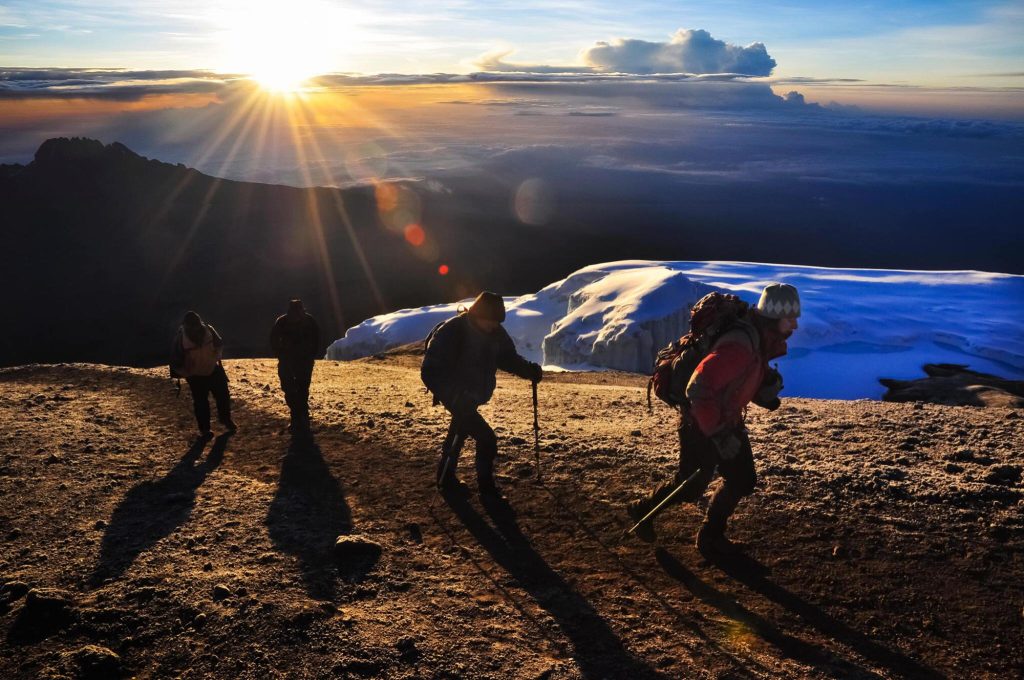
Every route includes a summit attempt that begins around midnight. This is usually the most physically and mentally demanding part of the climb.
Weather Conditions
Cold temperatures, wind, rain, and changing weather can make any route more challenging.
Marangu Route – The “Coca-Cola Route”
The Marangu Route is the oldest and one of the most well-known routes on Mount Kilimanjaro. It is unique because it uses mountain huts instead of camping.
Duration: 5–6 Days
Difficulty Level: Moderate to Challenging
Advantages
- Comfortable mountain huts
- Gradual trail gradients
- Suitable for climbers who prefer indoor accommodation
- Well-established trail
Challenges
The traditional five-day itinerary provides limited time for acclimatization, resulting in a lower summit success rate than longer routes. Choosing the six-day option greatly improves your chances of reaching the summit.
This route follows the same trail for both ascent and descent, meaning there is less variety in scenery.
Machame Route – The Whiskey Route
The Machame Route is one of the most popular Kilimanjaro routes and is often chosen by adventurous hikers looking for beautiful scenery and better acclimatization.
Duration: 6–7 Days
Difficulty Level: Moderate
Advantages
- Excellent scenery
- Better acclimatization than Marangu
- Diverse landscapes
- High summit success rate on seven-day itineraries
Challenges
Some sections are steeper than other routes, particularly the Barranco Wall, although it is more enjoyable than technically difficult.
The Machame Route is also one of the busiest routes during peak climbing seasons.
Lemosho Route – One of the Best Overall Routes
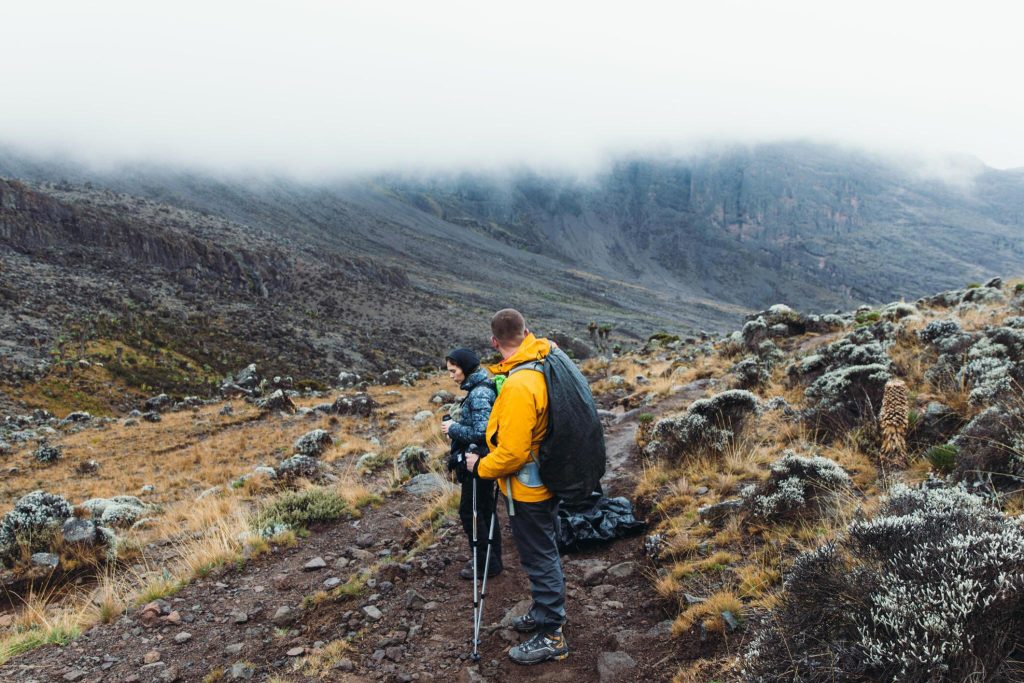
Many experienced guides consider the Lemosho Route one of the finest ways to climb Mount Kilimanjaro.
Duration: 7–8 Days
Difficulty Level: Moderate
Advantages
- Outstanding acclimatization profile
- Beautiful and varied scenery
- High summit success rates
- Fewer crowds during the early days
- Excellent wildlife viewing near the western approach
Challenges
Because it is longer, the Lemosho Route is generally more expensive than shorter alternatives. However, many climbers consider the additional days well worth the investment.
For first-time climbers, this is one of the routes most frequently recommended by Wakati Safari Adventure.
Rongai Route – The Quiet Northern Approach
The Rongai Route approaches Mount Kilimanjaro from the northern side near the Kenyan border.
Duration: 6–7 Days
Difficulty Level: Moderate
Advantages
- Less crowded
- Gradual ascent
- Dry conditions during the rainy season
- Beautiful northern landscapes
Challenges
Although it offers good acclimatization, the scenery is generally less varied than routes approaching from the western and southern sides of the mountain.
Northern Circuit Route – The Highest Success Rate
The Northern Circuit Route is the longest route on Mount Kilimanjaro and offers the best opportunity for altitude acclimatization.
Duration: 8–9 Days
Difficulty Level: Moderate
Advantages
- Highest summit success rate
- Outstanding acclimatization
- Very few crowds
- Exceptional scenery
- Nearly complete circuit around the mountain
Challenges
The longer itinerary requires additional time and a slightly higher budget.
For climbers whose primary goal is reaching Uhuru Peak safely, this is widely considered the best route available.
Umbwe Route – The Most Challenging Route
The Umbwe Route is known for its steep ascent and rapid altitude gain.
Duration: 5–6 Days
Difficulty Level: Challenging
Advantages
- Quiet trail
- Dramatic scenery
- Adventurous experience
Challenges
Because the ascent is very steep and acclimatization time is limited, this route has one of the lowest summit success rates.
Umbwe is best suited for experienced hikers who have previous high-altitude trekking experience.
Shira Route – Scenic but High Starting Point
The Shira Route begins on the western side of Kilimanjaro at a relatively high altitude.
Duration: 7–8 Days
Difficulty Level: Moderate
Advantages
- Beautiful scenery
- Excellent acclimatization after the first day
- Less crowded than some routes
Challenges
Since the starting elevation is already quite high, some climbers may experience mild altitude symptoms earlier than on lower starting routes.
The Shira Route eventually joins the Lemosho Route, sharing many of its advantages.
Comparing the Difficulty Levels
While every climber’s experience is different, the routes can generally be ranked as follows.
Easier Routes
- Northern Circuit Route
- Lemosho Route
- Rongai Route
These routes provide excellent acclimatization and higher summit success rates.
Moderate Routes
- Machame Route
- Marangu Route (6-day option)
- Shira Route
These are suitable for most reasonably fit hikers who prepare well before their climb.
Most Challenging Routes
- Umbwe Route
- Marangu Route (5-day option)
The rapid ascent on these routes increases the likelihood of altitude-related difficulties.
Which Route is Best for Beginners?
For first-time climbers, choosing a route with excellent acclimatization is the smartest decision.
At Wakati Safari Adventure, we usually recommend:
- Lemosho Route
- Northern Circuit Route
- Seven-Day Machame Route
These routes provide the best balance of scenery, gradual ascent, and summit success.
Which Route Has the Best Scenery?
If breathtaking landscapes are your priority, several routes stand out.
The Lemosho Route offers incredible diversity, from rainforest to alpine desert.
The Machame Route is famous for dramatic viewpoints and the Barranco Valley.
The Northern Circuit provides panoramic views from almost every side of the mountain.
Each route passes through several ecological zones, making every day of the climb feel unique.
Which Route Has the Highest Summit Success Rate?
Longer routes consistently achieve higher summit success rates because they allow climbers more time to acclimatize.
Generally, the highest success rates are found on:
- Northern Circuit Route
- Lemosho Route
- Eight-Day Lemosho
- Seven-Day Machame
Choosing an extra day on the mountain often makes a significant difference.
Preparing for Your Chosen Route
Regardless of which route you select, preparation plays an important role in your success.
Before your climb:
- Build cardiovascular fitness through walking, hiking, running, or cycling.
- Practice hiking on uneven terrain while carrying a daypack.
- Wear your hiking boots before the trip to avoid blisters.
- Stay well hydrated in the weeks leading up to your climb.
- Invest in quality clothing suitable for changing mountain conditions.
- Follow your guide’s advice throughout the trek.
Remember that climbing slowly is more important than climbing quickly.
Why Climb with Wakati Safari Adventure?
At Wakati Safari Adventure, we understand that climbing Mount Kilimanjaro is a once-in-a-lifetime experience for many travelers. Our goal is to help every climber enjoy a safe, comfortable, and rewarding journey from the first step to Uhuru Peak.
When you climb with us, you receive:
- Experienced and certified mountain guides
- Carefully planned itineraries with excellent acclimatization
- Daily health monitoring
- High-quality mountain equipment
- Nutritious meals prepared on the mountain
- Professional porters and support staff
- Personalized service before, during, and after your climb
- Transparent pricing with no hidden costs
We recommend routes based on your experience, fitness level, and travel goals—not simply the shortest option.
Frequently Asked Questions
Which Kilimanjaro route is the easiest?
The Northern Circuit Route and Lemosho Route are generally considered the easiest because they provide excellent acclimatization despite covering longer distances.
Which route has the highest success rate?
The Northern Circuit Route has one of the highest summit success rates due to its gradual ascent and longer itinerary.
Which route is best for first-time climbers?
The Lemosho Route and the seven-day Machame Route are excellent choices for beginners because they combine beautiful scenery with strong acclimatization profiles.
Is the Umbwe Route suitable for beginners?
No. The Umbwe Route is one of the steepest and most demanding routes on Mount Kilimanjaro and is generally recommended for experienced hikers.
How fit do I need to be?
You do not need to be an elite athlete, but good physical fitness, preparation, and a positive attitude will make your climb much more enjoyable.
Choose the Right Kilimanjaro Route with Wakati Safari Adventure
Every route up Mount Kilimanjaro offers its own unique adventure, but the best route is the one that matches your experience, fitness level, available time, and personal goals. Whether you dream of quiet trails, spectacular scenery, or maximizing your chances of reaching Uhuru Peak, there is a route designed for you.
At Wakati Safari Adventure, we take the time to understand your expectations before recommending the most suitable itinerary. Our experienced mountain team is committed to your safety, comfort, and success, ensuring you enjoy every stage of your Kilimanjaro journey.
If you’re ready to stand on the Roof of Africa, let Wakati Safari Adventure help you choose the perfect route and turn your climbing dream into an unforgettable reality.
