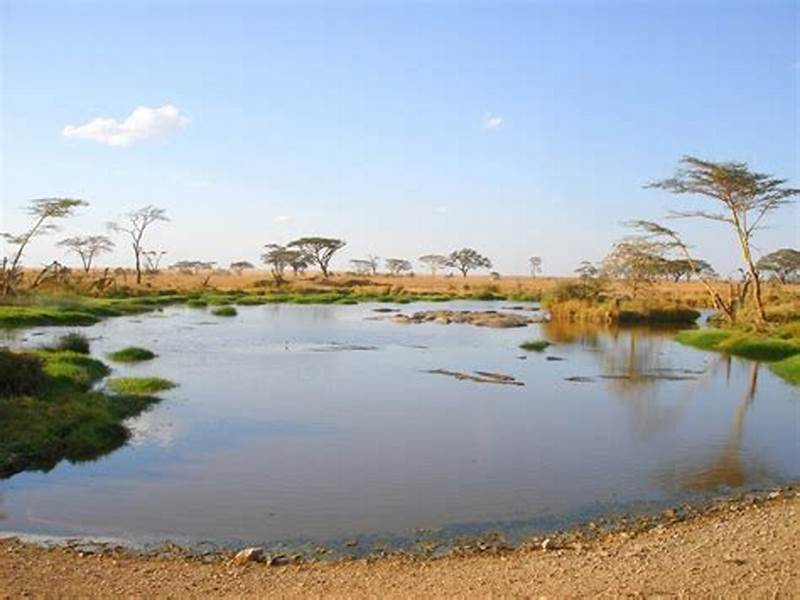
Nestled at the base of the dramatic Great Rift Valley escarpment, Lake Manyara National Park is one of Tanzania’s most scenic and ecologically diverse wildlife destinations. Although it is one of the smaller national parks in Northern Tanzania, its breathtaking landscapes, rich wildlife, vibrant birdlife, and unique ecosystems make it a must-visit destination for travelers seeking an unforgettable safari experience.
At Wakati Safari Adventure, we believe every safari should offer more than simply seeing wildlife—it should immerse you in the beauty, culture, and natural diversity of Tanzania. Lake Manyara National Park perfectly reflects this philosophy. From lush groundwater forests and open grasslands to acacia woodlands, hot springs, and the expansive alkaline lake itself, every corner of the park offers a new adventure waiting to be discovered.
Often included in Tanzania’s famous Northern Safari Circuit alongside Serengeti National Park, Ngorongoro Conservation Area, Tarangire National Park, and Arusha National Park, Lake Manyara National Park is an ideal destination for first-time visitors, families, photographers, bird enthusiasts, and seasoned safari travelers alike.
Where is Lake Manyara National Park?
Lake Manyara National Park is located in northern Tanzania, approximately 126 kilometers southwest of Arusha City. The park sits between the Great Rift Valley escarpment and Lake Manyara, creating one of the country’s most spectacular natural landscapes.
The drive from Arusha takes approximately two to three hours, making the park easily accessible and an excellent first stop on a multi-day safari through Northern Tanzania.
Its strategic location allows travelers to combine Lake Manyara National Park with:
- Serengeti National Park
- Ngorongoro Conservation Area
- Tarangire National Park
- Arusha National Park
- Mount Kilimanjaro
- Zanzibar Beach Holidays
Why Visit Lake Manyara National Park?
Despite covering approximately 330 square kilometers, nearly two-thirds of the park is occupied by the shallow alkaline waters of Lake Manyara. This creates an extraordinary variety of habitats that support a remarkable diversity of wildlife and bird species.
Visitors choose Lake Manyara National Park because it offers:
- Incredible scenery
- Tree-climbing lions
- Large elephant herds
- Thousands of flamingos
- Exceptional birdwatching
- Diverse ecosystems
- Easy accessibility
- Scenic game drives
- Family-friendly safaris
- Excellent photography opportunities
The combination of wildlife, dramatic landscapes, and peaceful surroundings makes every visit unique.
The Diverse Landscapes of Lake Manyara National Park
One of the greatest strengths of Lake Manyara National Park is the incredible variety of landscapes found within a relatively small area.
Groundwater Forest
Upon entering the park, visitors pass through a lush groundwater forest filled with towering mahogany and fig trees. This cool, shaded environment is home to troops of playful blue monkeys and black-and-white colobus monkeys.
Elephants are frequently seen feeding among the trees, creating unforgettable wildlife encounters from the very beginning of your safari.
Open Grasslands
Moving beyond the forest, the landscape opens into broad grassy plains where visitors often encounter zebras, wildebeests, buffalo, giraffes, and antelopes grazing peacefully.
These open areas provide excellent visibility for wildlife photography.
Acacia Woodlands
The acacia woodlands provide shelter for giraffes, elephants, impalas, warthogs, and many bird species. They are also one of the areas where the park’s famous tree-climbing lions are occasionally spotted resting in the branches.
Lake Manyara
The alkaline waters of Lake Manyara dominate the eastern portion of the park. Seasonal water levels influence the number of birds and wildlife that gather along its shores.
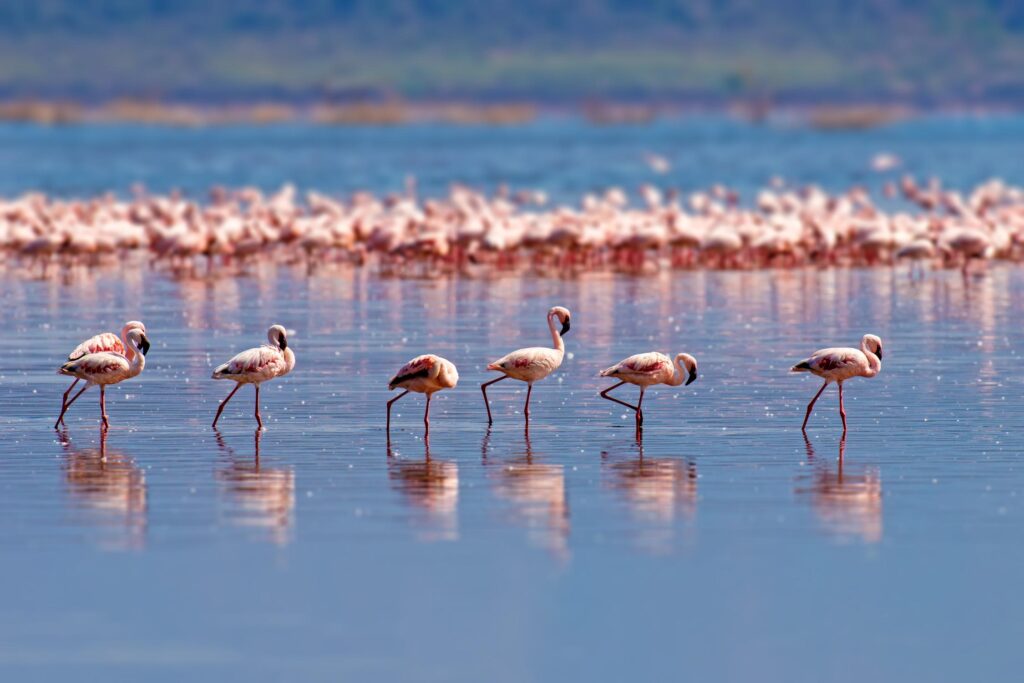
During favorable conditions, thousands of flamingos create stunning pink reflections across the lake, making it one of Tanzania’s most photographed landscapes.
Hot Springs
The southern section of the park contains natural hot springs known locally as “Maji Moto.” These geothermal springs produce warm mineral-rich water and steam, adding another fascinating geological feature to the park.
Wildlife in Lake Manyara National Park
Although relatively small, Lake Manyara National Park supports an impressive variety of mammals.
Visitors commonly encounter:
- African elephants
- Buffalo
- Giraffes
- Zebras
- Wildebeests
- Warthogs
- Waterbucks
- Impalas
- Bushbucks
- Hippos
- Blue monkeys
- Black-and-white colobus monkeys
- Olive baboons
Large troops of baboons are particularly abundant and are among the first animals visitors often see after entering the park.
The park’s healthy elephant population provides some of Tanzania’s best opportunities to observe these magnificent animals at close range.
The Famous Tree-Climbing Lions
Perhaps the most famous residents of Lake Manyara National Park are its legendary tree-climbing lions.
Unlike most lions, which spend much of their time resting on the ground, some lions in Lake Manyara have developed the unusual habit of climbing acacia trees. Although researchers continue to study this behavior, several theories suggest they climb trees to escape insects, enjoy cooler breezes, or gain better vantage points.
While sightings are never guaranteed, spotting a lion relaxing high in the branches is one of the park’s most memorable experiences.
Birdwatching Paradise
Lake Manyara National Park is considered one of Tanzania’s finest birdwatching destinations, with more than 400 recorded bird species.
Depending on the season, visitors may observe:
- Greater flamingos
- Lesser flamingos
- Pelicans
- African fish eagles
- Grey crowned cranes
- Saddle-billed storks
- Yellow-billed storks
- Sacred ibises
- Herons
- Egrets
- Kingfishers
- Hornbills
- Cormorants
Migratory birds arrive during the rainy seasons, making this an exceptional destination for bird enthusiasts throughout the year.
Elephant Encounters
Lake Manyara National Park has become well known for its large elephant population. Visitors frequently observe family groups walking through the forests, feeding peacefully, or crossing safari tracks.
Watching elephants interact naturally—caring for calves, communicating through gentle rumbles, and moving gracefully through the forest—is one of the highlights of any visit.
Hippo Pool
The Hippo Pool is one of the park’s most popular attractions. Visitors often find numerous hippos relaxing in the shallow water during the day before emerging at night to graze.
The viewing area also attracts many water birds, creating excellent photography opportunities.
Activities in Lake Manyara National Park
A visit to Lake Manyara National Park offers more than traditional game drives. Depending on your itinerary, visitors can enjoy several memorable activities.
Game Drives
Morning and afternoon game drives remain the most popular way to explore the park. Experienced guides help visitors locate wildlife while sharing fascinating information about animal behavior and the park’s unique ecosystems.
Bird Watching
With hundreds of bird species, Lake Manyara National Park provides exceptional opportunities for both beginner and experienced birdwatchers.
Photography
From elephants beneath giant fig trees to flamingos lining the lakeshore and lions resting in acacia trees, photographers will find endless opportunities to capture extraordinary images.
Scenic Viewing
The dramatic Great Rift Valley escarpment provides spectacular viewpoints overlooking the park and Lake Manyara.
The combination of cliffs, forests, lakes, and wildlife creates unforgettable panoramic scenery.
Best Time to Visit Lake Manyara National Park
Lake Manyara National Park can be visited throughout the year, with each season offering unique experiences.
June to October (Dry Season)
The dry season provides excellent wildlife viewing as animals gather around permanent water sources. Roads are generally dry and easy to navigate.
November to December
The short rains bring fresh vegetation, blooming flowers, and the arrival of migratory birds, making it an excellent period for photography and birdwatching.
January to February
Warm temperatures, green landscapes, and good wildlife sightings make these months ideal for combining safari with beach holidays in Zanzibar.
March to May
Although this is the rainy season, the park becomes beautifully green, waterfalls flow more strongly, and birdlife flourishes. Visitor numbers are generally lower during this period.
Lake Manyara National Park for Families
Families appreciate Lake Manyara National Park because of its relatively compact size and diverse wildlife.
Children often enjoy spotting:
- Monkeys
- Elephants
- Giraffes
- Hippos
- Flamingos
- Zebras
- Baboons
The shorter driving distances compared to larger parks help keep younger travelers engaged throughout the safari.
Photography Opportunities
Few parks offer such varied photographic opportunities within a single day.
Popular photography subjects include:
- Tree-climbing lions
- Flamingos
- Elephants
- Giraffes
- Hippos
- Great Rift Valley escarpment
- Groundwater forests
- Sunrise and sunset landscapes
- Lake reflections
- Colorful birdlife
Professional photographers and casual travelers alike will find endless inspiration.
Conservation and Responsible Tourism
Lake Manyara National Park plays an important role in protecting Tanzania’s wildlife and ecosystems. Conservation efforts focus on preserving habitats, supporting biodiversity, and promoting sustainable tourism.
At Wakati Safari Adventure, we are committed to responsible travel practices that help conserve Tanzania’s natural heritage while supporting local communities through sustainable tourism initiatives.
By choosing ethical safari experiences, visitors contribute directly to the long-term protection of this remarkable ecosystem.
Why Choose Wakati Safari Adventure?
At Wakati Safari Adventure, we believe every safari should be carefully planned to reflect your interests, travel style, and expectations.
When you choose to travel with us, you enjoy:
- Experienced local safari guides with extensive knowledge of Tanzania’s wildlife and landscapes
- Comfortable 4×4 safari vehicles designed for excellent game viewing
- Personalized itineraries tailored to your schedule and preferences
- Carefully selected accommodations ranging from budget-friendly lodges to luxury camps
- Honest pricing with no hidden costs
- Friendly support from your first inquiry until the end of your journey
- A commitment to sustainable tourism that benefits wildlife conservation and local communities
Whether Lake Manyara National Park is your first safari destination or part of a longer Northern Circuit adventure, our team is dedicated to making every moment memorable.
Frequently Asked Questions About Lake Manyara National Park
Is Lake Manyara National Park worth visiting?
Yes. Although smaller than some other parks in Tanzania, Lake Manyara National Park offers remarkable biodiversity, scenic landscapes, abundant birdlife, and the opportunity to see the famous tree-climbing lions.
How long should I spend in Lake Manyara National Park?
Most visitors spend one full day exploring the park, though it can also be combined with nearby destinations for longer safari itineraries.
What animals can I expect to see?
Visitors commonly see elephants, giraffes, buffalo, zebras, wildebeests, baboons, hippos, monkeys, warthogs, and numerous bird species. Tree-climbing lions are occasionally spotted.
Is Lake Manyara National Park good for birdwatching?
Absolutely. With more than 400 recorded bird species, it is considered one of Tanzania’s premier birdwatching destinations.
What should I pack?
Lightweight clothing, a hat, sunscreen, binoculars, a camera, comfortable walking shoes, insect repellent, and a reusable water bottle are recommended.
Plan Your Lake Manyara National Park Safari with Wakati Safari Adventure
Lake Manyara National Park may be one of Tanzania’s smaller national parks, but it offers an extraordinary safari experience filled with breathtaking scenery, fascinating wildlife, and unforgettable moments. Whether you are watching elephants wander through lush forests, searching for tree-climbing lions, photographing thousands of flamingos, or simply enjoying the spectacular views of the Great Rift Valley, every visit reveals something new.
At Wakati Safari Adventure, we are passionate about sharing the beauty and diversity of Tanzania with travelers from around the world. Our experienced team is ready to help you plan a personalized safari that combines Lake Manyara National Park with the country’s other iconic destinations, creating a journey tailored to your dreams and interests.
Contact Wakati Safari Adventure today and let us help you discover the magic of Lake Manyara National Park, where incredible wildlife, stunning landscapes, and authentic Tanzanian hospitality come together to create memories that will last a lifetime.
