Introduction
One of the most common questions we hear from travelers planning their adventure is, “When is the best time to climb Kilimanjaro?” The answer depends on what you’re looking for. Some climbers prefer clear skies and sunny weather, while others enjoy quieter trails and lush green landscapes. The good news is that Mount Kilimanjaro can be climbed throughout the year, and every season has something unique to offer.
Unlike many mountains around the world, Kilimanjaro doesn’t have a single climbing season. Instead, the mountain experiences different weather patterns that influence trail conditions, visibility, and the overall climbing experience. Understanding these seasonal changes will help you choose the time that best matches your expectations.
At Wakati Safari Adventure, we organize Kilimanjaro climbs throughout the year. Our experienced mountain guides understand how the weather changes from season to season, allowing us to prepare every climb carefully and provide the best possible experience for our guests.
Whether you’re hoping for clear views of the glaciers, fewer people on the trails, or the highest chance of pleasant weather, this guide will help you decide when to plan your Kilimanjaro adventure.
Can You Climb Kilimanjaro All Year Round?
Yes, you can.
Mount Kilimanjaro is open to climbers throughout the year, and people successfully reach Uhuru Peak every month. However, weather conditions vary depending on the season, and some months are generally more comfortable than others.
The mountain has two main dry seasons and two rainy seasons. Most visitors choose to climb during the dry months because the trails are usually drier, the skies are clearer, and the views are spectacular.
That said, the quieter rainy seasons can also be rewarding for climbers who don’t mind occasional showers and prefer a more peaceful experience.
January to March – Cool, Clear, and Less Crowded
The period from January to March is one of the best times to climb Kilimanjaro.
These months usually offer stable weather, moderate temperatures, and relatively quiet trails compared to the busier months later in the year.
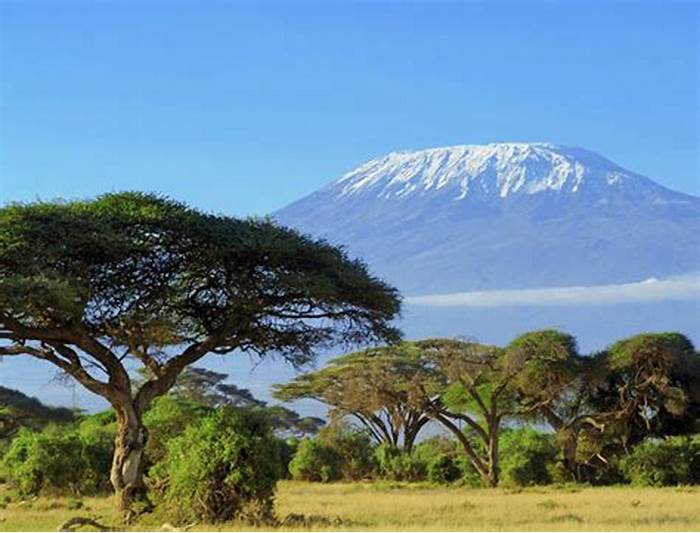
One of the highlights of climbing during this season is the beautiful scenery. The mountain is often green and fresh after the short rains, while the higher elevations may still have patches of snow near the summit.
Morning skies are frequently clear, providing breathtaking views across northern Tanzania.
This season is ideal for climbers who want:
- Comfortable temperatures
- Fewer crowds
- Excellent photography
- Good summit conditions
- Peaceful trekking experience
Although occasional afternoon clouds may develop, they rarely affect the overall quality of the climb.
March to May – The Long Rainy Season
From March to May, Kilimanjaro experiences its longest rainy season.
Heavy rainfall is more common, especially in the rainforest zone during the lower sections of the climb. Trails can become muddy and slippery, while cloud cover sometimes limits panoramic views.
Because of these conditions, this period attracts fewer climbers.
However, for experienced hikers who don’t mind rain, this season has its own appeal.
The forests become incredibly green, waterfalls flow strongly, flowers bloom, and the mountain feels quieter and more secluded.
Some advantages of climbing during this period include:
- Fewer visitors
- Peaceful campsites
- Beautiful green landscapes
- Better accommodation availability
Good waterproof clothing becomes especially important during these months.
June to October – The Most Popular Climbing Season
For many people, June to October is considered the best time to climb Kilimanjaro.
This period falls within Tanzania’s main dry season and offers some of the most reliable climbing conditions of the year.
Days are generally sunny, rainfall is minimal, and visibility is excellent.
The clear skies provide incredible views of Mount Meru, the plains below, and the surrounding landscapes.
These months are particularly popular with international travelers because they coincide with summer holidays in many countries.
Benefits of climbing during this season include:
- Dry trails
- Excellent visibility
- Comfortable hiking conditions
- Reliable weather
- Outstanding sunrise views from the summit
The only downside is that some routes become busier, especially the Machame and Marangu Routes.
Choosing routes such as the Lemosho Route or the Northern Circuit can provide a quieter experience even during the busiest months.
November to December – The Short Rains
The November to December period brings the short rainy season.
Unlike the long rains earlier in the year, showers during these months are often brief and followed by sunshine.
Many climbers enjoy this season because it offers greener landscapes while avoiding the heavier rainfall of April and May.
Visitor numbers also remain lower than during the peak dry season.
The mountain often looks particularly beautiful after rainfall, with fresh vegetation and dramatic cloud formations creating excellent photography opportunities.
Weather Changes with Altitude
One important thing to remember is that weather on Kilimanjaro changes dramatically as you climb.
During a single expedition, you may experience:
Rainforest
Warm temperatures with occasional humidity and rainfall.
Heath and Moorland
Cooler conditions with pleasant daytime temperatures.
Alpine Desert
Dry air, strong sunshine during the day, and cold evenings.
Arctic Summit Zone
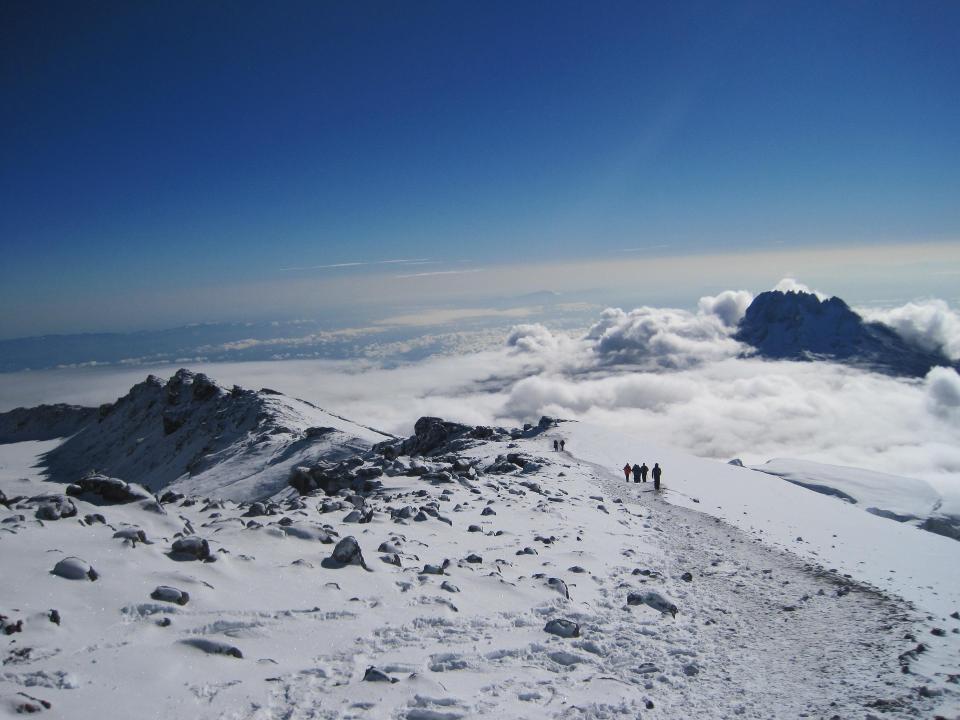
Freezing temperatures, strong winds, and possible snow near Uhuru Peak.
This variety is one of the reasons proper clothing is essential regardless of the season.
Which Month Has the Best Weather?
Although weather can never be guaranteed on a mountain, the months most frequently recommended are:
- January
- February
- June
- July
- August
- September
- October
These months usually provide the best combination of dry conditions, clear skies, and comfortable hiking weather.
Many climbers planning once-in-a-lifetime adventures choose one of these periods.
Which Season Is Best for Photography?
If photography is one of your priorities, both dry seasons offer excellent opportunities.
Clear skies during June to October create spectacular long-distance views, while January and February often provide beautiful contrasts between lush vegetation and snowy summit landscapes.
Sunrise at Uhuru Peak during these months is especially memorable, with golden light stretching across the African plains below.
Which Season Has Fewer Crowds?
If you prefer quieter trails, consider climbing during:
- January
- Early March
- November
- Early December
These months generally attract fewer climbers than the peak season while still offering enjoyable weather conditions.
Routes such as the Northern Circuit and Rongai Route also remain quieter throughout much of the year.
Does the Weather Affect Summit Success?
Yes, but perhaps not in the way many people expect.
While dry weather certainly makes hiking more comfortable, altitude acclimatization remains the single most important factor affecting summit success.
Many climbers successfully reach Uhuru Peak during the rainy season because they choose longer routes and allow enough time for acclimatization.
Likewise, some climbers fail during perfect weather because they select short itineraries or ascend too quickly.
At Wakati Safari Adventure, we focus on well-planned itineraries that prioritize acclimatization rather than speed.
What Should You Pack for Different Seasons?
No matter when you climb Kilimanjaro, you’ll need clothing suitable for a wide range of temperatures.
Your packing list should include:
- Waterproof hiking boots
- Moisture-wicking clothing
- Warm fleece
- Insulated down jacket
- Waterproof jacket and trousers
- Thermal gloves
- Warm hat
- Sun hat
- Sunglasses
- Sunscreen
- Headlamp
- Hiking poles
- Sleeping bag suitable for freezing temperatures
During the rainy seasons, extra waterproof protection and additional dry clothing become especially important.
Choosing the Right Route for the Season
Some routes perform particularly well during certain times of the year.
During the Dry Season
Popular choices include:
- Machame Route
- Lemosho Route
- Marangu Route
- Northern Circuit Route
During the Rainy Season
Many climbers prefer the Rongai Route, which approaches Kilimanjaro from the northern side of the mountain. This area generally receives less rainfall than the southern slopes.
Our team at Wakati Safari Adventure can recommend the most suitable route based on your travel dates and experience.
Why Climb Kilimanjaro with Wakati Safari Adventure?
Choosing the right season is only part of planning a successful climb. Equally important is choosing an experienced mountain operator.
At Wakati Safari Adventure, we combine local knowledge with personalized service to ensure every climb is safe, enjoyable, and unforgettable.
When you climb with us, you’ll receive:
- Experienced and certified mountain guides
- Carefully selected routes based on the season
- Daily health monitoring
- Nutritious mountain meals
- Professional porters and cooks
- High-quality camping equipment
- Well-paced itineraries designed for better acclimatization
- Friendly support from your first inquiry to your summit celebration
Our goal is to help you enjoy every moment of your Kilimanjaro adventure, regardless of the season you choose.
Frequently Asked Questions
What is the absolute best time to climb Kilimanjaro?
Most climbers consider January to March and June to October the best periods because they offer the most reliable weather and excellent climbing conditions.
Can I climb Kilimanjaro during the rainy season?
Yes. Kilimanjaro is climbed year-round. While rain is more likely during March to May and November, many climbers still enjoy successful expeditions.
Which month has the fewest crowds?
January, early March, November, and early December are generally quieter than the peak months of July and August.
Is it colder during certain months?
Summit temperatures remain below freezing throughout the year. Seasonal differences mainly affect rainfall and cloud cover rather than summit temperatures.
Which route is best during the rainy season?
The Rongai Route is often recommended because the northern side of the mountain usually receives less rainfall.

Plan Your Kilimanjaro Adventure with Wakati Safari Adventure
There’s never really a wrong time to climb Mount Kilimanjaro—only the right time for the kind of experience you’re looking for. Whether you prefer clear blue skies, peaceful trails, lush green scenery, or the excitement of the busy climbing season, Kilimanjaro offers something special every month of the year.
At Wakati Safari Adventure, we’re here to help you choose the best season, the right route, and the ideal itinerary based on your goals and travel plans. Our experienced mountain team is committed to making your journey safe, enjoyable, and truly unforgettable.
If climbing Africa’s highest mountain has been on your bucket list, let Wakati Safari Adventure help you turn that dream into reality. Together, we’ll plan the perfect time for your climb and guide you every step of the way to the summit of Mount Kilimanjaro.
