Ultimate Maasai Cultural Tour
Explore Tours
Maasai Cultural Tour : Discover one of East Africa’s most iconic cultures during this immersive Maasai Cultural Tour. This unforgettable day trip offers far more than a simple village visit—it is an opportunity to spend meaningful time with the Maasai people, learn about their traditions, understand their way of life, and experience a culture that has remained deeply connected to nature for centuries.
The Maasai are among Tanzania’s most recognised indigenous communities, famous for their colourful traditional clothing, distinctive beadwork, age-old customs, and close relationship with livestock. Their culture has been carefully preserved through generations, making a visit to a Maasai village one of the most authentic cultural experiences available in Tanzania.
Whether you are visiting before a safari, after climbing Mount Kilimanjaro, or looking to understand Tanzania beyond its wildlife, this tour provides an enriching experience that leaves visitors with a deeper appreciation for the country’s diverse heritage.
Maasai Cultural Tour : Tour Overview
Maasai Cultural Tour : Duration: Full Day
Maasai Cultural Tour : Departure: Arusha or Moshi
Maasai Cultural Tour : Destination: Authentic Maasai Village
Activities
- Scenic countryside drive
- Guided Maasai village visit
- Traditional welcome ceremony
- Cultural storytelling
- Visit traditional Maasai homes
- Livestock and pastoral life experience
- Traditional dance and singing
- Local handicraft market
- Community interaction
Morning Pick-Up and Journey to the Maasai Village
Your day begins with an early morning pick-up from your hotel in Arusha or Moshi by your professional guide from Wakati Safari Adventure.
Leaving the busy town behind, you will travel through the beautiful landscapes of northern Tanzania. The scenery changes from lively urban centres to open plains dotted with acacia trees, grazing cattle, and traditional homesteads.
Along the journey, your guide will introduce you to the history of the Maasai people, explaining their migration, traditions, and the important role they continue to play in preserving both their culture and the surrounding environment.
The drive itself offers wonderful opportunities to admire Tanzania’s countryside while learning about the communities that call these landscapes home.
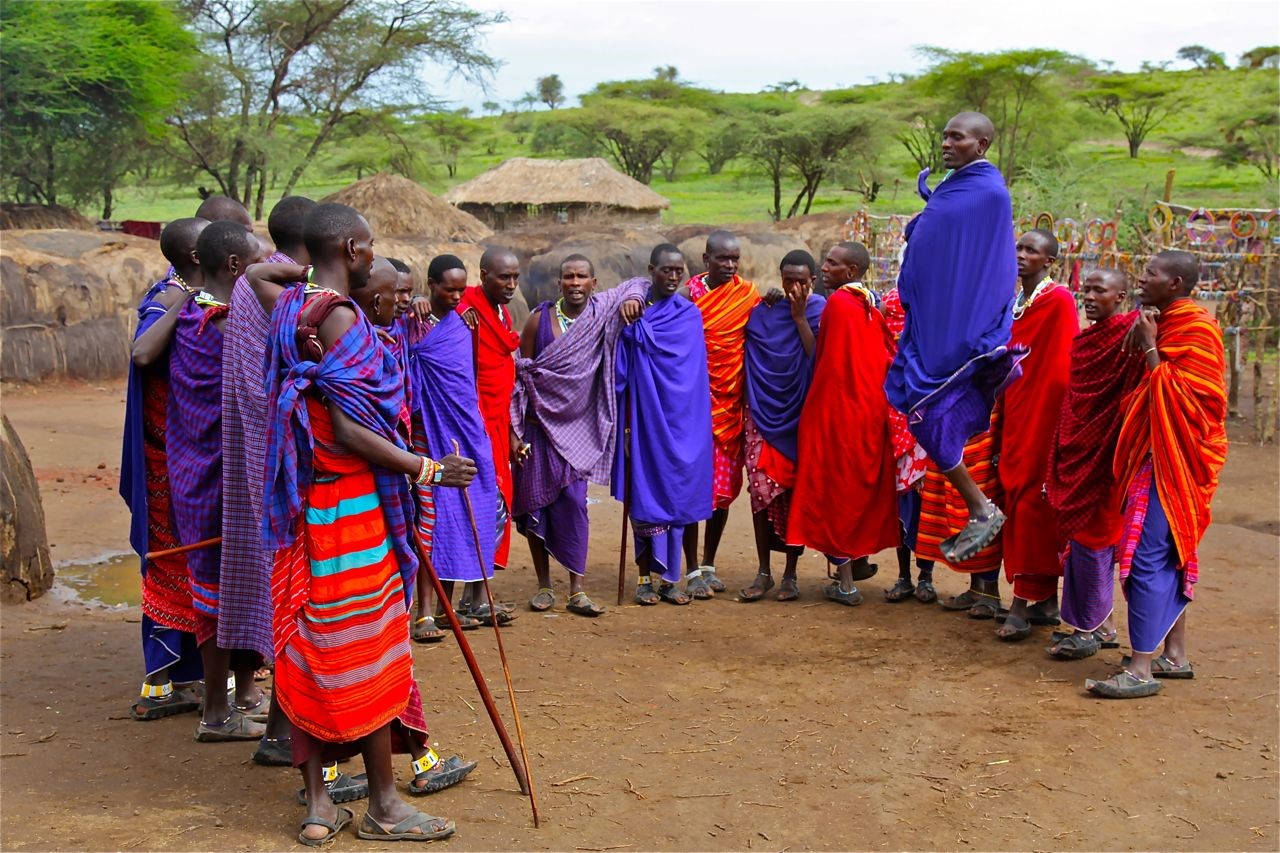
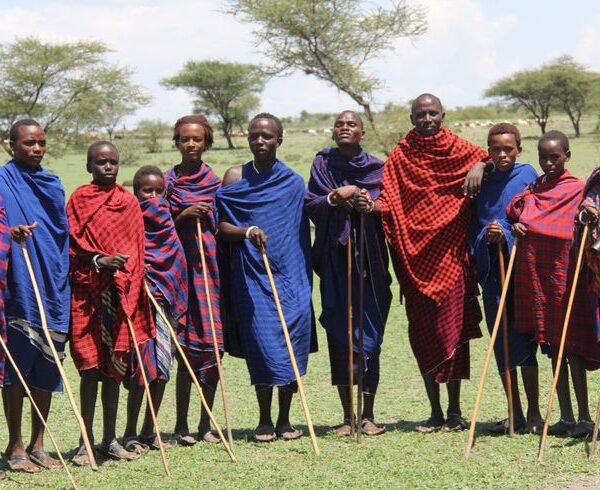
As you approach the village, you may already spot Maasai herders guiding their cattle across the plains, dressed in their striking red, blue, or purple shukas that have become a symbol of East Africa.
Traditional Maasai Welcome
Upon arrival, you will receive a warm and genuine welcome from the village elders and community members.
Rather than simply observing from a distance, you will become part of the experience as your hosts introduce themselves and invite you into their community.
One of the highlights of your arrival is the traditional welcome ceremony.
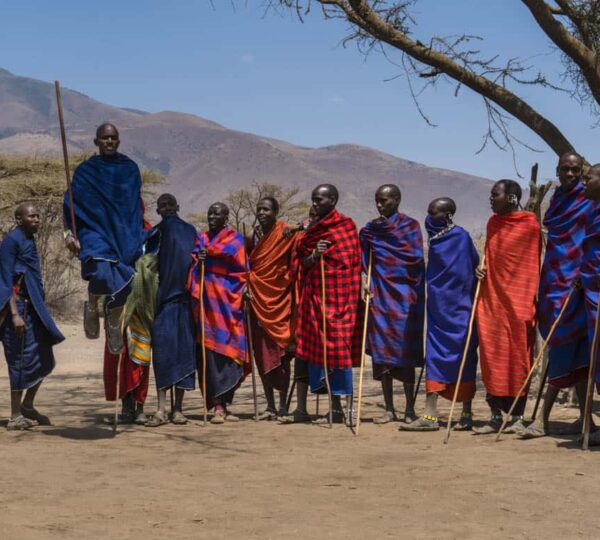
The Maasai men often perform the famous jumping dance, known as the Adumu, while women sing traditional songs that have been passed down through generations. The rhythmic singing, chanting, and dancing create an energetic atmosphere that immediately makes visitors feel included.
Your guide will explain the meaning behind these ceremonies and how they are used during celebrations, community gatherings, and important life events.
Guests are usually invited to participate, making for a fun and memorable experience.
Learn About Maasai History and Traditions
After the welcome ceremony, one of the village elders will share stories about Maasai history and traditions.
You will learn how the Maasai have lived as semi-nomadic pastoralists for hundreds of years, relying primarily on cattle for food, wealth, and social status.
The elder will explain how family life is organised, the significance of livestock within Maasai society, and how important ceremonies such as births, weddings, and coming-of-age celebrations continue to shape daily life.
Your guide will also explain how the Maasai have adapted to modern life while working hard to preserve their language, customs, and cultural identity.
This discussion offers visitors a much deeper understanding of the community beyond what can be learned from photographs or documentaries.
Visit Traditional Maasai Homes
One of the most fascinating parts of the tour is the opportunity to enter a traditional Maasai house, locally known as an Enkang.
These homes are carefully built using natural materials including mud, sticks, grass, and cow dung, creating structures that remain cool during hot days and warm during cold nights.
Inside the home, your host will explain how each area is used by the family, including cooking spaces, sleeping areas, and storage.
You will gain valuable insight into the practical design of these homes and how generations of Maasai families have lived comfortably within them.
Visitors are often surprised by the remarkable craftsmanship and efficiency of these traditional houses despite their simple construction.
Experience Daily Village Life
Unlike many tourist attractions, this tour allows you to witness genuine daily life within the community.
Depending on the day’s activities, you may observe women preparing meals, making beautiful beadwork, collecting firewood, or caring for children.
You may also see men preparing livestock for grazing or returning with cattle after spending the morning on the surrounding plains.
Your guide will encourage respectful interaction, giving you opportunities to ask questions and learn directly from community members.
These conversations often become one of the most meaningful parts of the visit, allowing travellers to understand daily life from the perspective of the people who live it.
Learn About Traditional Livestock Practices
Cattle are at the heart of Maasai culture.
During your visit, local herders will explain how livestock provide food, income, and social value within the community.
You will learn about traditional grazing techniques, seasonal movements, animal care, and the important relationship between livestock and the surrounding environment.
The Maasai have developed remarkable knowledge of animal behaviour, weather patterns, and natural resources over generations, allowing them to thrive in challenging conditions.
This practical understanding of sustainable pastoralism continues to support many families today.
Traditional Crafts and Beadwork
The Maasai are internationally recognised for their beautiful handmade jewellery and colourful beadwork.
During your visit, local women will demonstrate how necklaces, bracelets, earrings, belts, and decorative ornaments are carefully created by hand.
Each colour and design often carries symbolic meaning, representing aspects such as bravery, unity, love, health, or prosperity.
Visitors are welcome to purchase handmade crafts directly from the artisans, providing valuable income that supports local families and community development projects.
Every item purchased represents not only a beautiful souvenir but also a meaningful contribution to sustainable community tourism.
Traditional Maasai Lunch
Depending on your selected tour package, you may enjoy a freshly prepared traditional lunch within the village or at a nearby location.
Meals often include locally grown vegetables, rice, beans, grilled meat, fresh fruits, and traditional Tanzanian dishes prepared using ingredients from the surrounding area.
Sharing a meal provides another opportunity to experience Maasai hospitality while enjoying relaxed conversations with your hosts.
Cultural Storytelling and Community Discussions
After lunch, gather beneath the shade of an acacia tree for one of the most memorable parts of the day.
Village elders often share stories about Maasai beliefs, folklore, traditional leadership, wildlife conservation, and how their community has changed over time.
You may hear fascinating stories about coexistence with lions, seasonal migrations, traditional medicine, and the values that continue to guide Maasai society today.
These conversations provide visitors with a richer understanding of one of Africa’s most respected indigenous cultures.
Photography Opportunities
Throughout the tour, there are plenty of opportunities to capture beautiful photographs of the colourful clothing, traditional homes, open landscapes, and cultural activities.
Your guide will always ensure that photography is done respectfully and with permission from community members.
Many visitors leave with not only incredible photographs but also lasting friendships and unforgettable memories.
Return to Arusha or Moshi
As the afternoon comes to an end, it is time to say goodbye to your hosts.
Before departing, you may wish to purchase a few handmade souvenirs or simply thank the community for sharing their home and traditions.
Your guide will then begin the comfortable drive back to Arusha or Moshi.
During the journey, you can reflect on the remarkable stories, warm hospitality, and meaningful cultural experiences that made the day so special.
You will arrive back at your hotel in the late afternoon or early evening.
Why This Tour Is Worth Experiencing
The Maasai Cultural Tour is much more than a sightseeing excursion. It offers a genuine opportunity to understand one of Tanzania’s most famous communities through respectful interaction, shared experiences, and meaningful conversations.
Rather than simply observing from outside, visitors are welcomed into the community, allowing them to experience daily life, traditions, and cultural practices in an authentic way.
It is an experience that creates lasting memories while helping preserve local traditions and supporting sustainable community tourism.
Maasai Cultural Tour : Includes
- Hotel pick-up and drop-off from Arusha or Moshi
- Professional English-speaking guide
- Private transportation
- Village entrance fees
- Guided cultural tour
- Traditional welcome ceremony
- Visit to Maasai homes
- Cultural storytelling sessions
- Traditional dance experience
- Bottled drinking water
- Traditional lunch (where included)
- Government taxes and levies
Maasai Cultural Tour : Excludes
- Personal expenses
- Alcoholic and soft drinks
- Travel insurance
- Tips for guides and community members
- Personal shopping and handicrafts
- Optional donations to the village
Maasai Cultural Tour : Best Time to Visit
The Maasai Cultural Tour is available throughout the year and can easily be combined with a Tanzania safari, a Mount Kilimanjaro climb, or another day excursion. Morning departures are recommended, as they provide cooler temperatures and allow plenty of time to enjoy every activity without rushing. Because the experience takes place within a living community rather than a staged attraction, every visit is unique, offering new conversations, traditions, and memorable encounters.
Why Travel with Wakati Safari Adventure?
At Wakati Safari Adventure, we believe that travelling is about connecting with people as much as it is about discovering places. Our Maasai Cultural Tour has been thoughtfully designed to offer an authentic, respectful, and enriching experience for every guest. We work closely with local Maasai communities to ensure your visit directly supports the people who welcome you while preserving their traditions for future generations. With experienced local guides, comfortable transport, and personalised service from beginning to end, this tour gives you the opportunity to experience the true heart of Tanzania through its people, stories, and living culture.
Related Tours from Wakati Safari Adventures
Frequently Asked Questions
Simple answers about Tanzania safaris, Kilimanjaro climbing and planning your journey with Wakati Safaris Adventure.
Still have a question?
Our team is happy to guide you before you book. Send us your travel dates, group size and the experience you want.
WhatsApp Us Call Us Email UsWhat kind of trips does Wakati Safaris Adventure arrange?
We arrange private Tanzania safaris, Kilimanjaro climbs, cultural day trips, beach holidays in Zanzibar and tailor-made travel experiences across Tanzania.
When is the best time to visit Tanzania for safari?
Tanzania is good for safari throughout the year. June to October is popular for dry-season wildlife viewing, while January to March is great for calving season in the Serengeti.
Can you customize a safari for my budget?
Yes. We can plan budget, mid-range and luxury safaris depending on your preferred comfort, travel dates, number of days and group size.
Which parks are best for a first-time safari?
Serengeti, Ngorongoro Crater, Tarangire and Lake Manyara are excellent for first-time visitors because they offer strong wildlife viewing and beautiful scenery.
Which Kilimanjaro route is best for beginners?
Machame, Lemosho and Marangu are common choices. Lemosho is often recommended for better acclimatization, while Marangu is known for hut accommodation.
How many days do I need to climb Kilimanjaro?
Most climbs take between 6 and 9 days depending on the route. More days usually give better acclimatization and a more comfortable summit attempt.
Can I combine safari, Kilimanjaro and Zanzibar?
Yes. Many travelers combine Kilimanjaro climbing, a northern Tanzania safari and a Zanzibar beach holiday in one itinerary.
Do you offer airport transfers?
Yes. We can arrange airport transfers, hotel pick-ups and drop-offs depending on your itinerary and arrival details.
How do I start planning with you?
You can contact us by WhatsApp, phone or email. Share your travel dates, number of travelers, preferred destinations and budget, and we will guide you from there.