Mount Meru

Best time to visit:

June–October

Park size:

Best known for:

Volcanic crater views

Overview

Tanzania’s Second-Highest Mountain

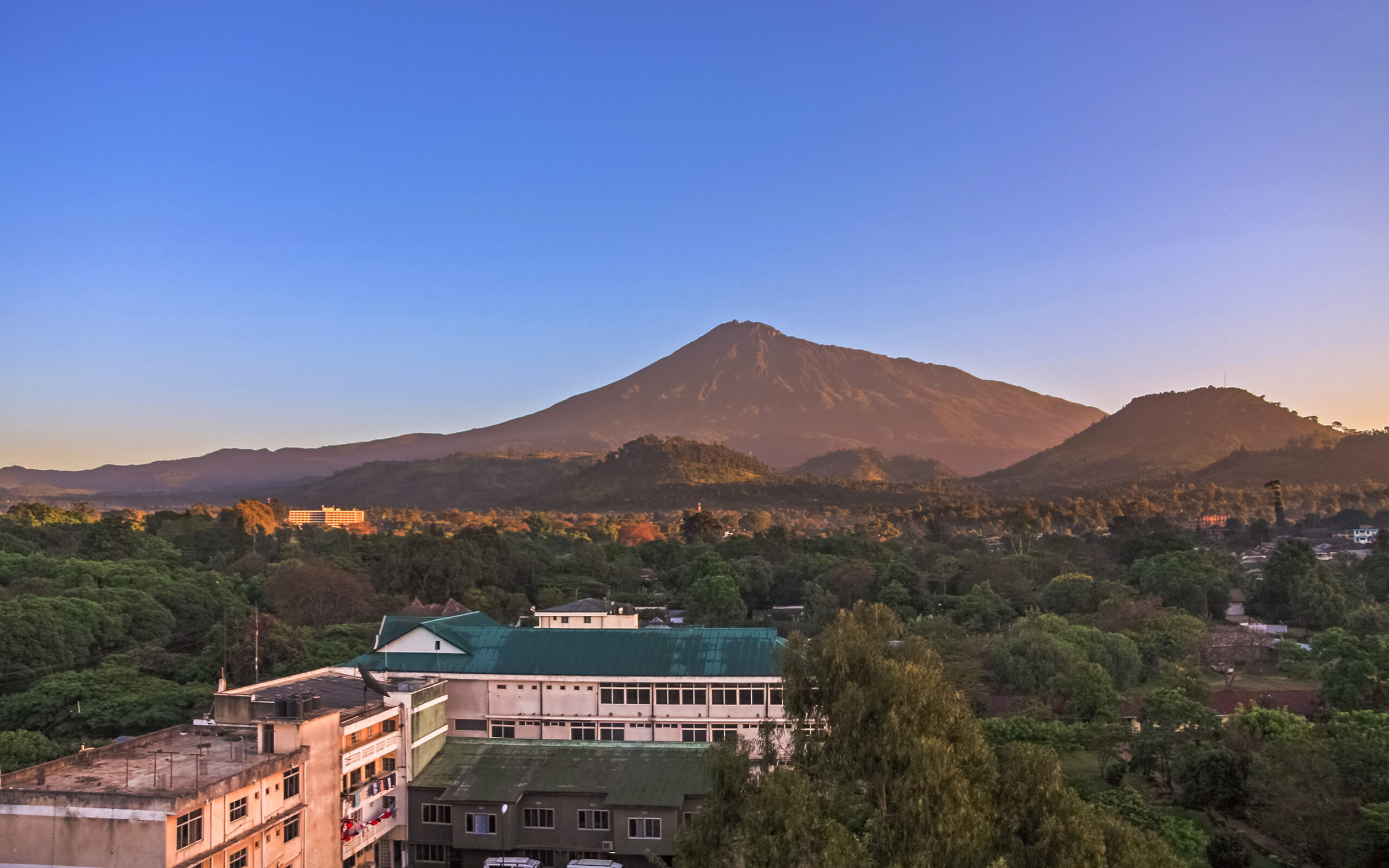
Mount Meru is a spectacular volcanic mountain in northern Tanzania. It rises to approximately 4,566 metres above sea level, making it the country’s second-highest mountain after Kilimanjaro. The mountain lies within Arusha National Park, close to Arusha city. Its dramatic slopes, forested valleys and open ridges create a striking landscape. Mount Meru is an excellent choice for travellers seeking a challenging mountain adventure.

A Scenic Trek Through Changing Landscapes

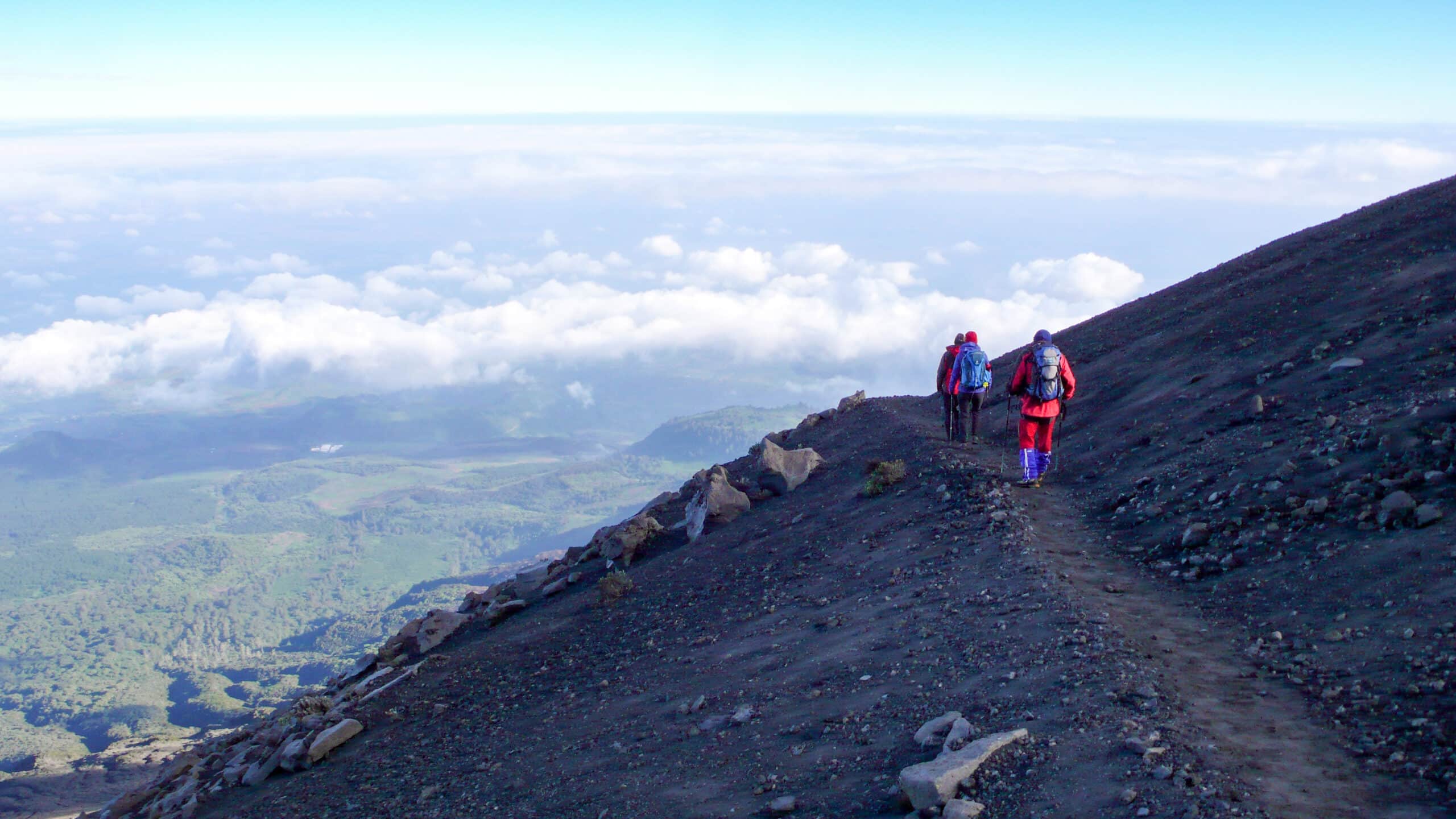
Climbing Mount Meru takes you through several distinct natural zones. The lower slopes are covered in montane forest, where tall trees and dense vegetation create a cool, shaded environment. Higher up, the forest gives way to heathland and open moorland. Near the summit, the landscape becomes rocky and exposed. These changes make the trek rewarding for hikers who enjoy varied scenery.

Wildlife Along the Mountain Trails

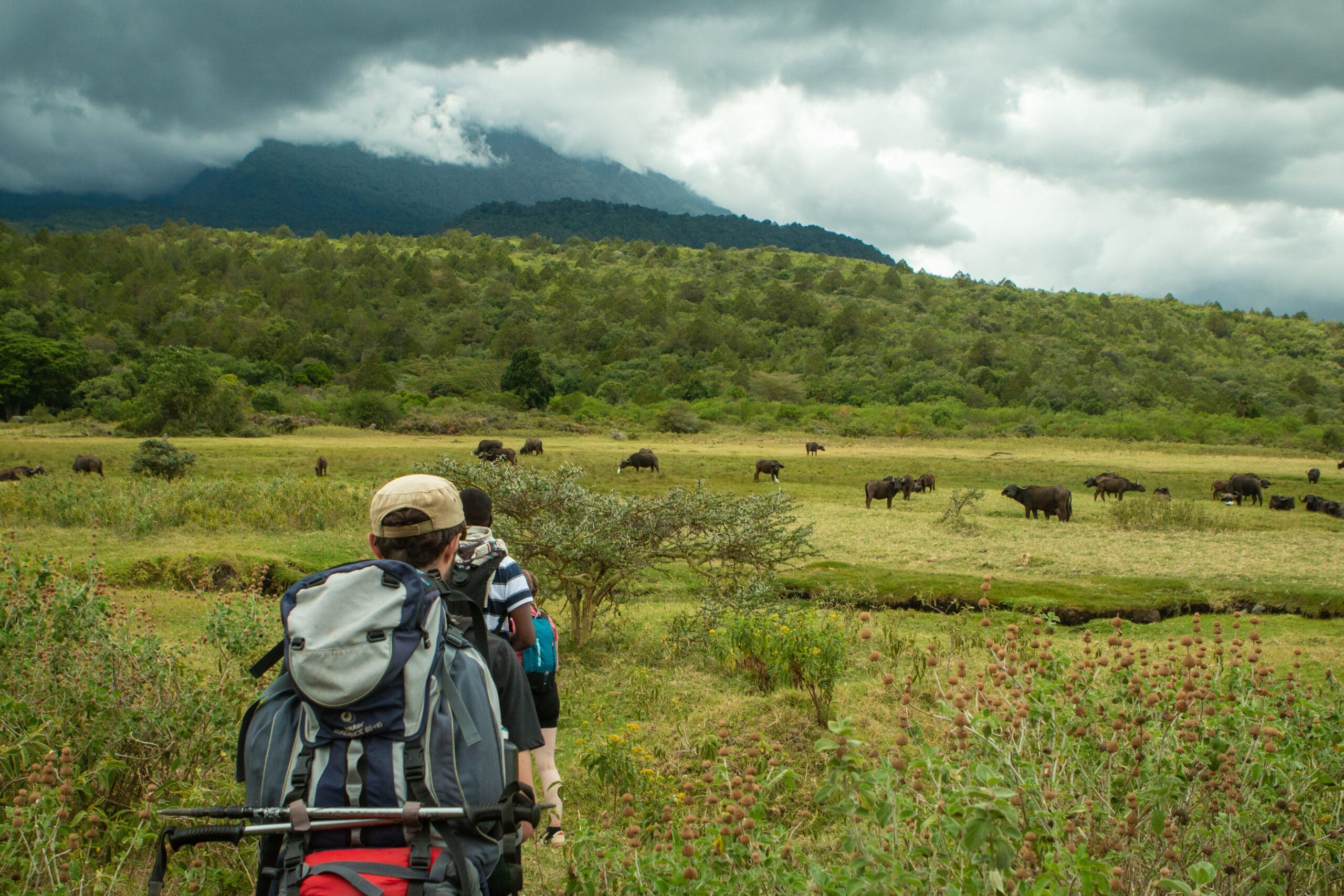
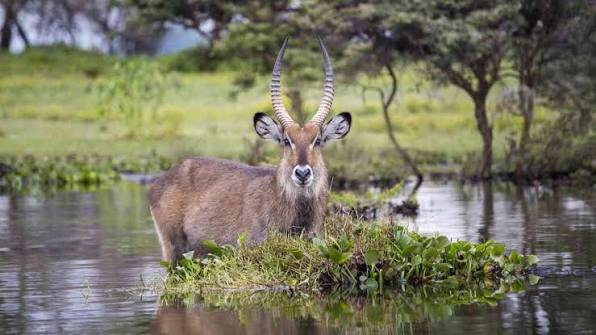
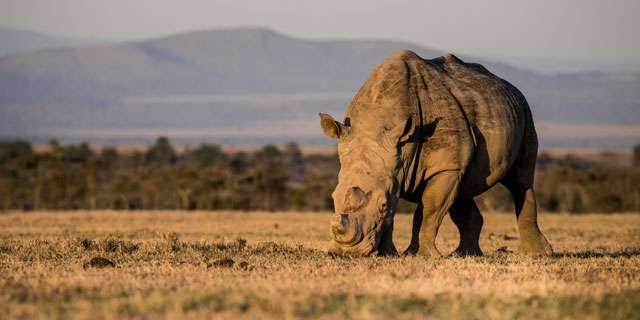
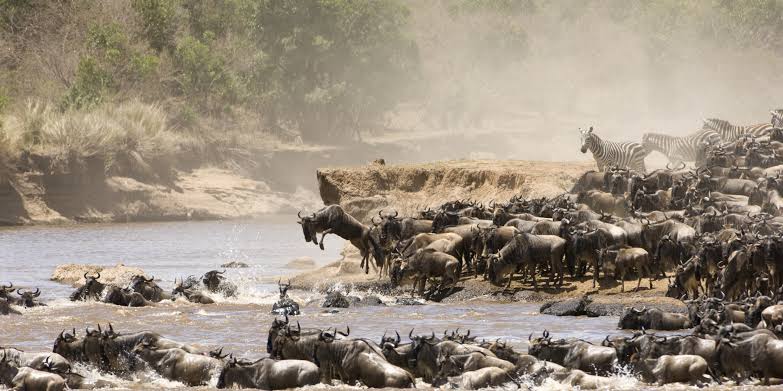
Mount Meru is home to a variety of wildlife because much of the mountain lies within Arusha National Park. Trekkers may see giraffes, buffaloes and warthogs on the lower slopes. Black-and-white colobus monkeys and other primates inhabit the forest. Wildlife sightings are possible but not guaranteed. An authorised ranger accompanies climbers, helping manage safety in areas where large animals may be present.

Spectacular Views of the Meru Crater

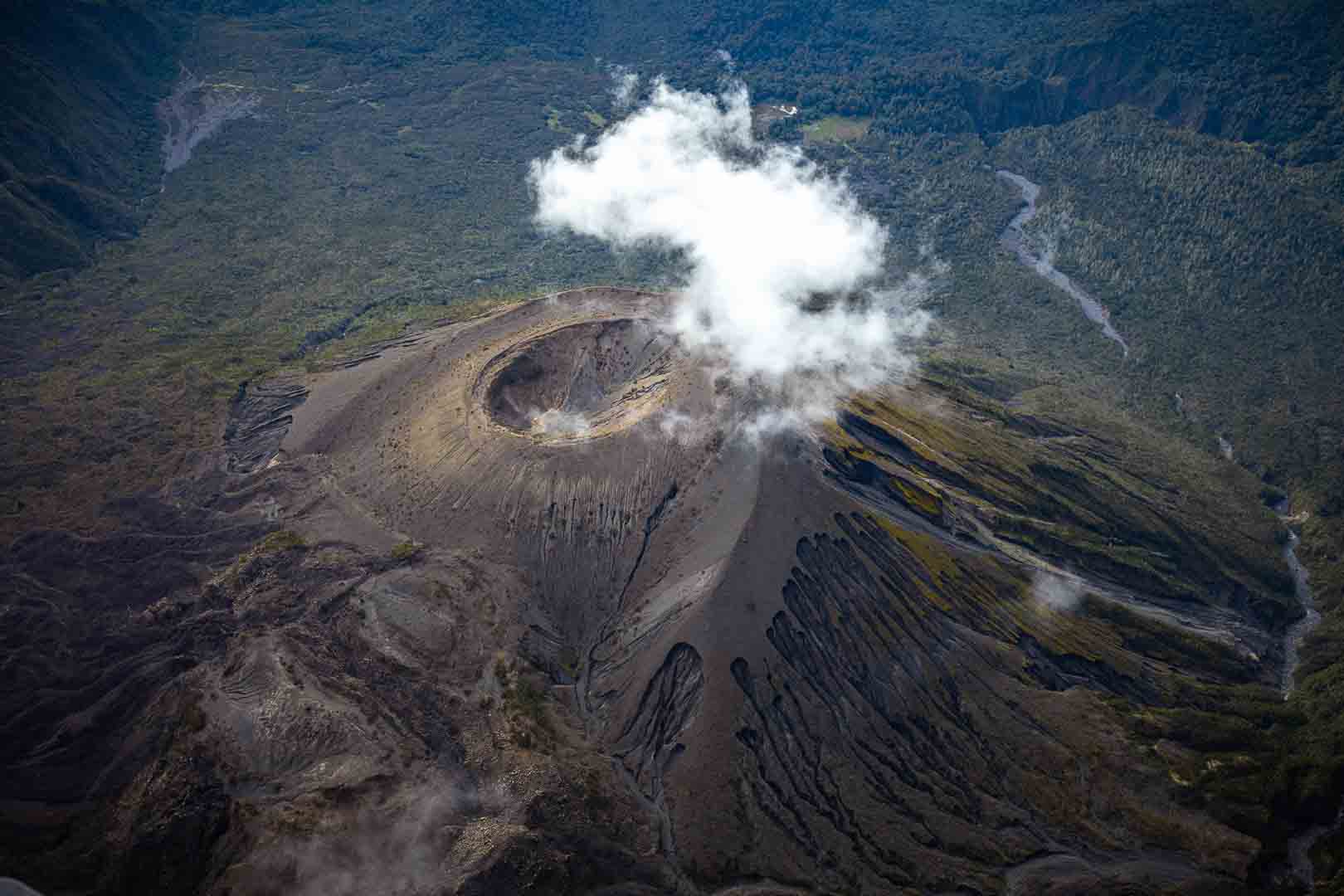
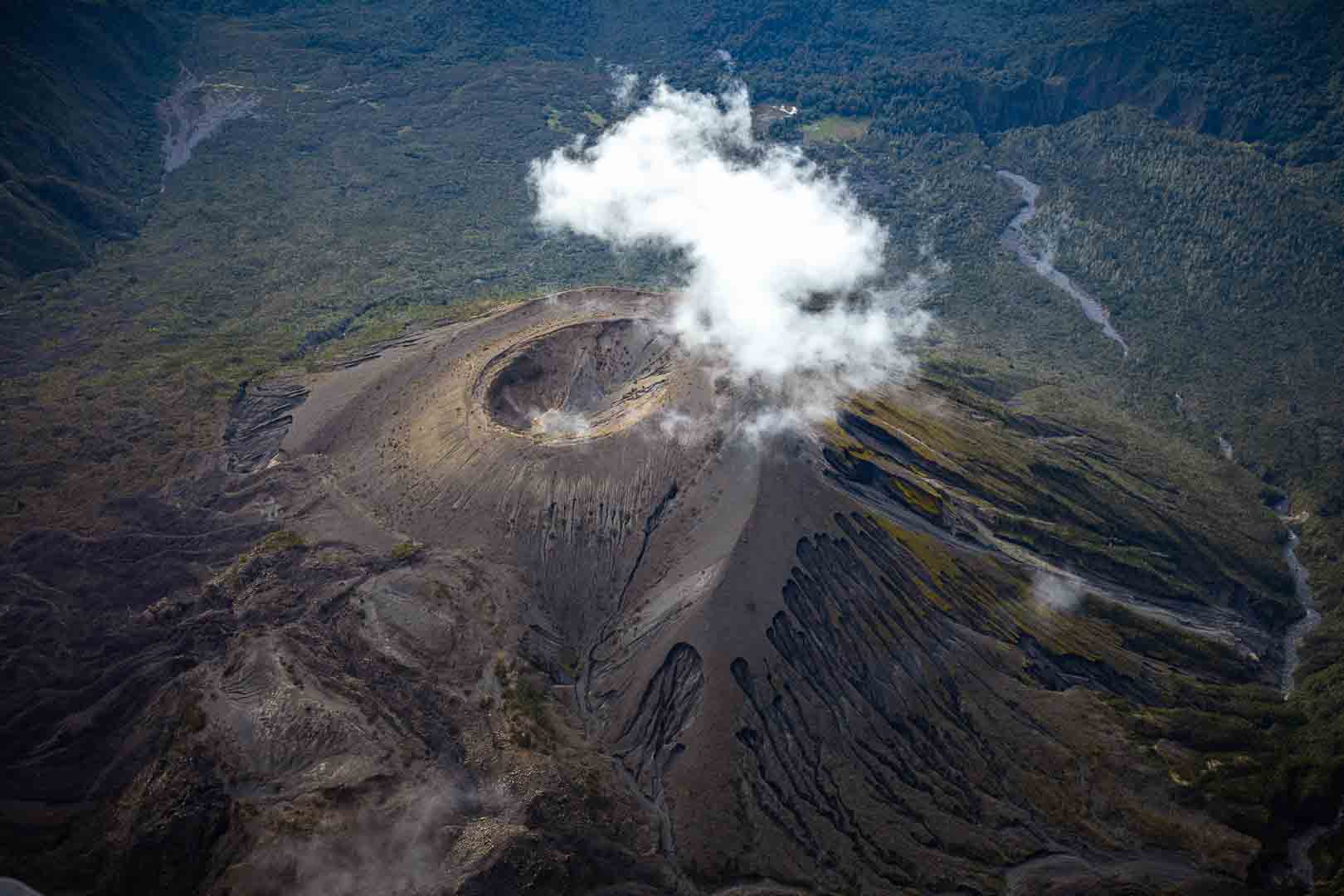
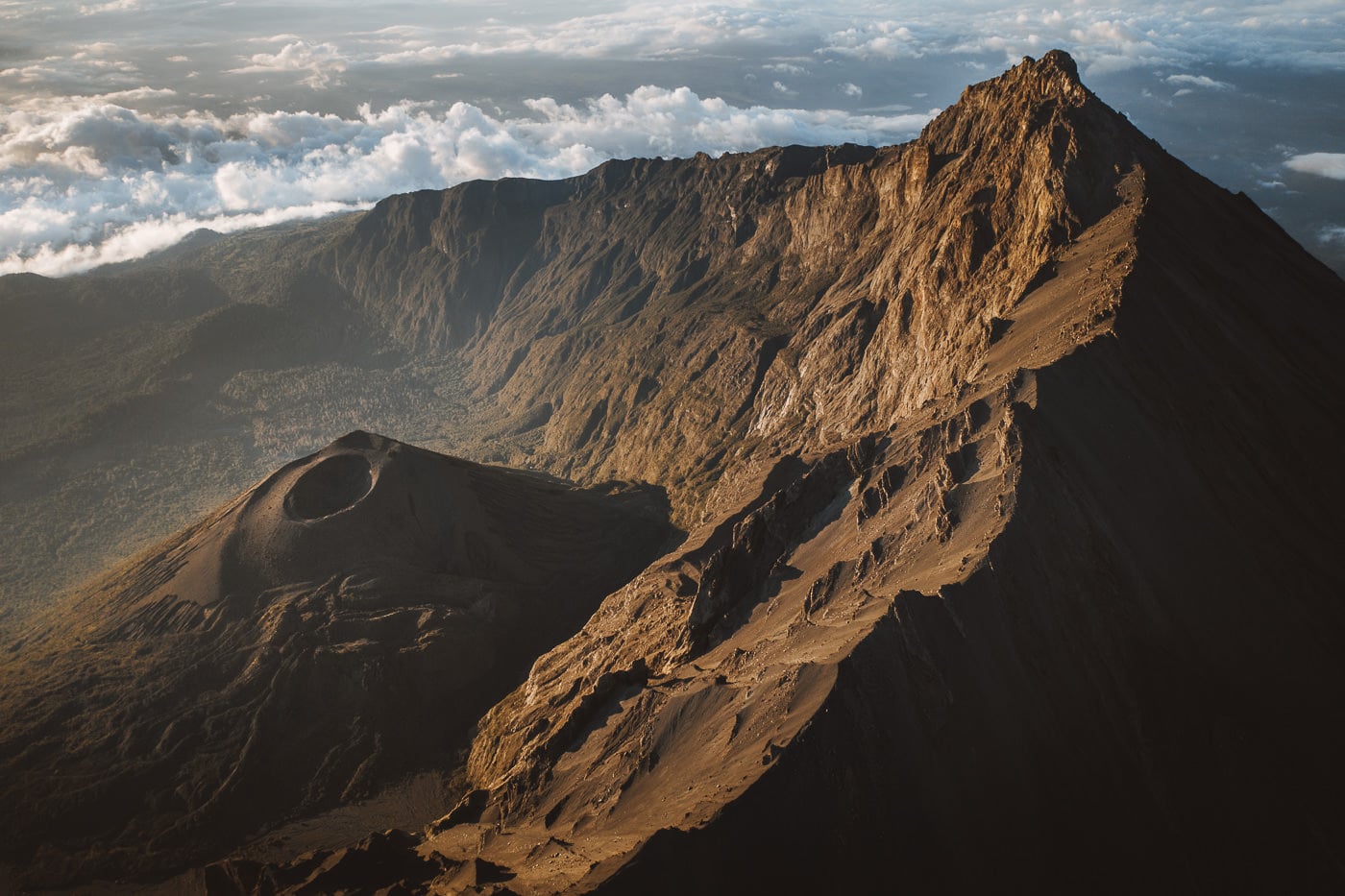
One of Mount Meru’s most striking features is its enormous volcanic crater. The summit area offers dramatic views into the crater and across the surrounding landscape. On clear days, climbers may also see Mount Kilimanjaro rising above the clouds in the distance. The final ascent is steep and often begins before dawn. Reaching Socialist Peak, the mountain’s highest point, is a demanding but rewarding achievement.

A Challenging Alternative to Kilimanjaro

Mount Meru is a strong choice for hikers who want a serious mountain trek without climbing Africa’s highest peak. Most standard climbs take around four days, although itineraries can vary. The trek involves steep sections, high altitude and an early summit attempt. Some climbers also use Mount Meru to prepare for Kilimanjaro, although it does not guarantee successful altitude acclimatisation. Its combination of physical challenge, wildlife and dramatic scenery makes it a destination in its own right.
Iconic wildlife

Giraffe African Elephant Buffalo African Fish Eagle Olive Baboon Colobus Monkey

When To Visit Mount Meru

Mount Meru in January

January often brings warm conditions and generally favourable trekking weather. The lower forests are green, and clear mornings may reveal Mount Kilimanjaro. Afternoon clouds and occasional showers are still possible.

Overview

A Very good time to Visit.

Weather in January

Overview

A Very good time to Visit.

Weather in January

Mount Meru in February

February is often one of the warmer, drier periods. Trails can be more comfortable for walking, and visibility may be good during clear mornings. It is a strong option for climbers seeking summit views.

Overview

A Very good time to Visit.

Weather in February

Overview

A Very good time to Visit.

Weather in February

Mount Meru in March

Rainfall usually increases during March. The lower forest becomes lush, but clouds may cover the summit and surrounding mountains. Wet trails can make the ascent more demanding.

Overview

Weather in March

Overview

Weather in March

Mount Meru in April

April is usually one of the wettest months. Heavy rain can make forest trails slippery and reduce visibility along the crater rim. Climbers should be prepared for changing conditions and possible delays.

Overview

This is not a great time to visit.

Weather in April

Overview

This is not a great time to visit.

Weather in April

Mount Meru in May

Rain may continue through much of May, although conditions can improve toward the end of the month. The forest remains green, but the summit may be cloudy. Flexible plans and suitable waterproof gear are important.

Overview

Weather in May

Overview

Weather in May

Mount Meru in June

June marks the beginning of the main dry season. Trails often become firmer, and clear spells offer better views of the crater and surrounding plains. Early mornings and higher elevations can be very cold.

Overview

A Very good time to Visit.

Weather in June

Overview

A Very good time to Visit.

Weather in June

Mount Meru in July

July usually offers favourable trekking conditions. Drier trails support a more comfortable ascent, and clear mornings can provide excellent views of Kilimanjaro. Warm layers are essential for the cold summit night.

Overview

A Very good time to Visit.

Weather in July

Overview

A Very good time to Visit.

Weather in July

Mount Meru in August

August is one of the best months for climbing Mount Meru. Rain is generally limited, and visibility may be excellent. The summit ridge can still be windy and very cold, particularly before sunrise.

Overview

A Very good time to Visit.

Weather in August

Overview

A Very good time to Visit.

Weather in August

Mount Meru in September

September often brings continued dry weather and good trekking conditions. The mountain’s different vegetation zones are easy to explore, and clear mornings may offer views across the crater and toward Kilimanjaro.

Overview

A Very good time to Visit.

Weather in September

Overview

A Very good time to Visit.

Weather in September

Mount Meru in October

October is generally a good month for climbing, especially earlier in the month. Temperatures can rise at lower elevations, while higher slopes remain cold. Short rains may begin toward the end of the month.

Overview

A Very good time to Visit.

Weather in October

Overview

A Very good time to Visit.

Weather in October

Mount Meru in December

December brings a mix of sunshine and occasional showers. The lower slopes look fresh and green, and clear mornings can offer beautiful views. Conditions near the summit remain cold and can change quickly.

Overview

A Very good time to Visit, with Pros & Cons

Weather in December

Overview

A Very good time to Visit, with Pros & Cons

Weather in December

Mount Meru in November

Short rains often begin in November. The forest becomes greener, but cloud cover and showers can affect visibility. Trekking remains possible, although wet paths may require extra care.

Overview

Weather in November

Overview

Weather in November