Introduction
One of the first questions people ask when planning a climb is, “How difficult is Mount Kilimanjaro?” It’s a fair question, especially if you’ve never attempted a high-altitude trek before.
The answer is both simple and encouraging. Mount Kilimanjaro is challenging, but it is achievable for many people. Unlike mountains that require ropes, ice axes, or technical climbing skills, Kilimanjaro is a trekking mountain. You don’t need previous mountaineering experience to reach the summit. However, you do need determination, preparation, and enough time for your body to adapt to the altitude.
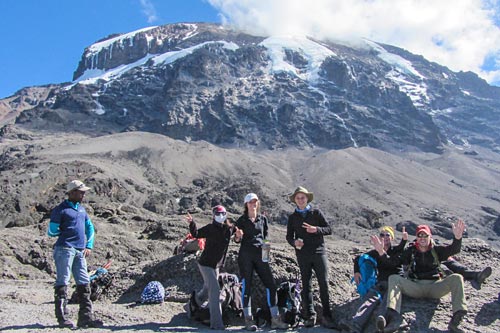
At Wakati Safari Adventure, we’ve guided climbers of all ages and fitness levels to the summit. Some have been experienced hikers, while others had never climbed a mountain before. What we’ve learned is that success isn’t about being the fastest or strongest person in the group. It’s about climbing at the right pace, listening to your guides, and giving your body the time it needs to adjust.
If you’re wondering whether you can climb Kilimanjaro, this guide will help you understand the real challenges and how to prepare for them.
Is Mount Kilimanjaro a Technical Climb?
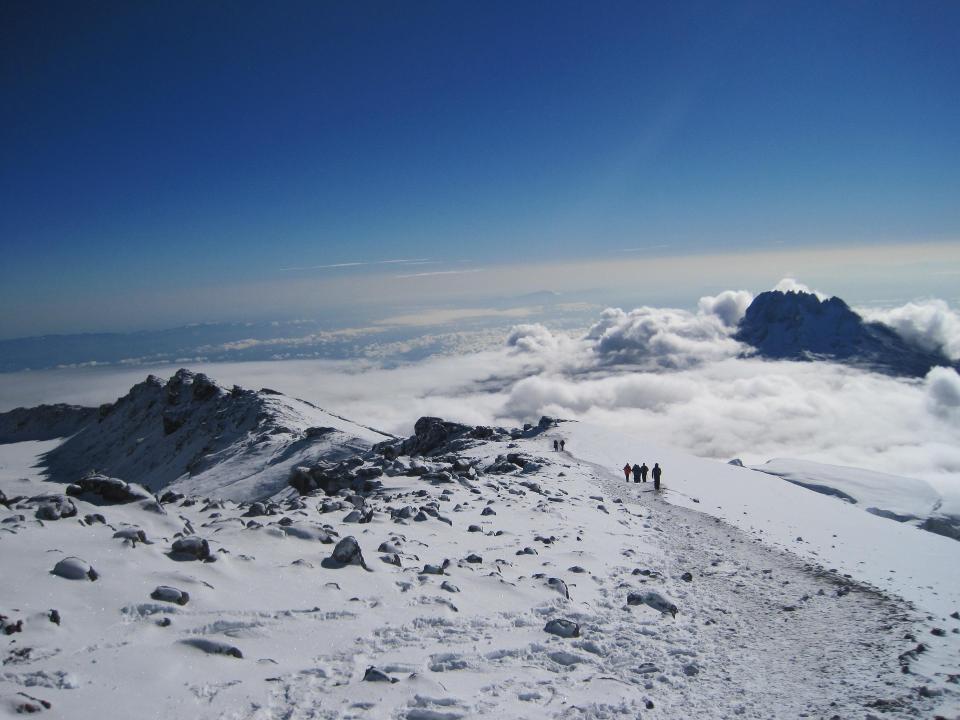
The good news is that Mount Kilimanjaro is not a technical mountain. There are no vertical rock faces to climb, no glaciers that require crampons, and no ropes needed on the standard routes.
Most of the journey involves walking on well-established trails that pass through forests, moorlands, alpine deserts, and rocky terrain. The only section that feels significantly more demanding is the summit push, when climbers hike during the night over steep volcanic scree toward Uhuru Peak.
This makes Kilimanjaro accessible to adventurous travelers without mountaineering experience, provided they prepare well and choose the right itinerary.
What Makes Kilimanjaro Difficult?
Although Kilimanjaro doesn’t require technical climbing skills, that doesn’t mean it’s easy.
Several factors make the climb physically and mentally demanding.
High Altitude
The biggest challenge is altitude.
As you climb higher, the air becomes thinner and your body receives less oxygen with every breath. This is why many climbers experience fatigue, headaches, or shortness of breath even if they are physically fit.
Altitude affects everyone differently. It doesn’t matter whether you’re young or old, an athlete or a beginner. Your body needs time to acclimatize.
For this reason, most experienced operators recommend routes that allow gradual altitude gain rather than the shortest possible climb.
Long Days of Hiking
Climbing Kilimanjaro means spending several consecutive days on the trail.
Most routes involve hiking for five to eight hours each day, although summit night is much longer and can take 10 to 15 hours including the ascent and descent.
While the daily distances are manageable, hiking day after day requires stamina and consistency.
Summit Night
Ask anyone who has climbed Kilimanjaro about the hardest part of the adventure, and they’ll probably mention summit night.
Most climbers wake up around midnight and begin the final ascent in darkness. Temperatures are often well below freezing, and the climb is slow, steep, and physically demanding.
The combination of cold weather, high altitude, and lack of sleep makes summit night the toughest part of the expedition.
Fortunately, reaching Uhuru Peak just after sunrise is an unforgettable reward that makes every step worthwhile.
Changing Weather Conditions
One of the unique aspects of climbing Kilimanjaro is that you’ll experience several climate zones during the journey.
You may begin the climb in warm tropical rainforest, pass through cool moorland, cross dry alpine desert, and finally reach icy summit conditions.
Temperatures can change dramatically within a single day.
Being prepared with proper clothing is essential for staying comfortable throughout the climb.
Mental Strength Is Just as Important
Climbing Kilimanjaro is as much a mental challenge as it is a physical one.
There may be moments when you feel tired, cold, or discouraged, especially during the final ascent. Staying positive, taking one step at a time, and trusting your guides can make a huge difference.
Many successful climbers say the mountain taught them patience, resilience, and confidence more than anything else.
Do You Need to Be Very Fit?
You don’t need to be an elite athlete to climb Kilimanjaro.
People from many different backgrounds successfully reach the summit every year. We’ve guided teachers, doctors, students, retirees, photographers, and families—all with different fitness levels.
That said, good physical preparation will make your experience more enjoyable.
Regular activities such as:
- Hiking
- Walking
- Running
- Cycling
- Swimming
- Stair climbing
can all help build the endurance needed for the trek.
The goal isn’t to become the fastest climber—it’s to become comfortable walking for several hours each day.
Does Age Matter?
Age is often less important than overall health and preparation.
Teenagers, adults, and even climbers in their sixties and seventies have successfully reached the summit.
As long as you are in good health and have your doctor’s approval if needed, age alone should not prevent you from climbing Kilimanjaro.
Our guides adapt the pace to suit the group, ensuring everyone has the best chance of reaching the summit safely.
Which Kilimanjaro Routes Are Easier?
Not all Kilimanjaro routes have the same level of difficulty.
Longer routes generally feel easier because they provide more time for acclimatization.
Some of the best options include:
Lemosho Route
The Lemosho Route is widely regarded as one of the best routes for first-time climbers. It combines spectacular scenery with excellent acclimatization and high summit success rates.
Northern Circuit Route
This is the longest route on Kilimanjaro and offers the highest summit success rate because of its gradual ascent.
Machame Route
The seven-day Machame Route provides a good balance between adventure, scenery, and acclimatization.
Shorter routes such as the five-day Marangu Route or Umbwe Route are generally more challenging because climbers gain altitude more quickly.
Altitude Is More Important Than Fitness
Many people are surprised to learn that physical fitness alone does not guarantee success.
You can be an experienced marathon runner and still experience altitude sickness. On the other hand, someone with average fitness may reach the summit comfortably because they acclimatize well.
The keys to success are:
- Climbing slowly
- Staying hydrated
- Eating well
- Sleeping enough
- Listening to your guide
- Choosing a longer itinerary
This is why our guides constantly encourage climbers to walk “Pole Pole,” which means “slowly, slowly” in Swahili.
How to Make the Climb Easier
There are several things you can do before and during your climb to improve your experience.
Train regularly for several weeks before your trip.
Choose a route with at least seven days if possible.
Wear comfortable hiking boots that you’ve already broken in.
Pack quality clothing suitable for cold temperatures.
Drink plenty of water throughout the climb.
Eat regular meals, even if your appetite decreases.
Follow your guide’s advice at all times.
Most importantly, don’t rush. Kilimanjaro rewards patience far more than speed.
How Wakati Safari Adventure Supports You
At Wakati Safari Adventure, we know that climbing Kilimanjaro is often a once-in-a-lifetime experience.
That’s why we focus on creating a safe, enjoyable, and well-paced journey for every climber.
Our Kilimanjaro expeditions include:
- Experienced and certified mountain guides
- Carefully planned itineraries with better acclimatization
- Daily health monitoring
- High-quality camping equipment
- Nutritious mountain meals
- Professional porters and cooks
- Small group sizes for personalized support
- Safety-first decision making throughout the climb
Our goal is not simply to help you reach the summit—it is to help you enjoy every stage of the journey while climbing safely and confidently.
Common Mistakes First-Time Climbers Make
Many challenges on Kilimanjaro can be avoided with proper planning.
Some common mistakes include:
- Choosing the shortest route available
- Walking too fast
- Drinking too little water
- Carrying unnecessary weight
- Wearing brand-new hiking boots
- Ignoring early symptoms of altitude sickness
- Underestimating the importance of rest
Learning from these mistakes before your climb can greatly improve your chances of success.
Frequently Asked Questions
Is Kilimanjaro harder than Everest Base Camp?
Both treks are challenging in different ways. Kilimanjaro reaches a higher altitude more quickly, while the Everest Base Camp trek is longer but gains elevation more gradually.
Can beginners climb Kilimanjaro?
Yes. Many first-time hikers successfully reach the summit each year. Choosing the right route and preparing well are far more important than previous mountain experience.
How long does it take to climb Kilimanjaro?
Most climbs take between six and eight days, depending on the route you choose.
Which part of Kilimanjaro is the hardest?
The summit night is widely considered the most difficult section because of the high altitude, cold temperatures, and long hours of hiking in the dark.
What is the best way to increase my chances of success?
Choose a longer route, train before your trip, stay hydrated, walk slowly, and climb with an experienced operator such as Wakati Safari Adventure.
Take on Kilimanjaro with Confidence
Climbing Mount Kilimanjaro is a challenge, but it’s a challenge that thousands of ordinary people successfully complete every year. The mountain doesn’t demand technical climbing skills—it asks for preparation, patience, determination, and respect for the altitude.
At Wakati Safari Adventure, we’re passionate about helping climbers achieve this incredible goal in a safe and enjoyable way. From choosing the best route to guiding you step by step to Uhuru Peak, our experienced mountain team is with you throughout the journey.
If you’ve been dreaming about standing on the highest point in Africa, don’t let the word “difficulty” hold you back. With the right preparation, the right mindset, and the right team beside you, climbing Kilimanjaro can become one of the most rewarding experiences of your life. Let Wakati Safari Adventure help you make that dream a reality.
