Introduction
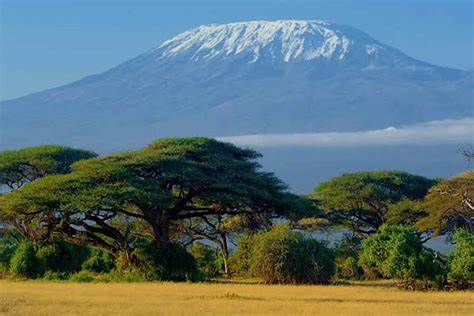
Kilimanjaro National Park is one of Tanzania’s most remarkable natural treasures and home to the iconic Mount Kilimanjaro, the highest mountain in Africa. Rising to an impressive 5,895 meters (19,341 feet) above sea level, the mountain dominates the northern Tanzanian landscape and has inspired adventurers, photographers, and nature lovers from around the world for generations.
While many visitors know Kilimanjaro for its famous summit, the national park offers much more than a mountain climb. It protects lush rainforests, alpine moorlands, volcanic landscapes, unique wildlife, and an extraordinary range of ecosystems found nowhere else in Africa. Whether you’re planning to climb to Uhuru Peak, enjoy a day hike through the forest, or simply admire the mountain from below, Kilimanjaro National Park promises an unforgettable experience.
At Wakati Safari Adventure, we are passionate about helping travelers experience the beauty of Kilimanjaro in a safe, enjoyable, and meaningful way. From expertly guided mountain climbs to cultural experiences and day excursions, we create journeys that allow you to experience the very best of this world-famous destination.

Where is Kilimanjaro National Park?
Kilimanjaro National Park is located in northern Tanzania, close to the Kenyan border. The park surrounds Mount Kilimanjaro and lies just outside the town of Moshi, approximately one hour from Kilimanjaro International Airport.
Its convenient location makes it easy to combine with other popular destinations in northern Tanzania, including:
- Serengeti National Park
- Ngorongoro Conservation Area
- Tarangire National Park
- Lake Manyara National Park
- Arusha National Park
- Zanzibar
Many visitors begin their Tanzanian adventure with a Kilimanjaro climb before continuing on safari or relaxing on Zanzibar’s beautiful beaches.
The History of Kilimanjaro National Park
Kilimanjaro National Park was established in 1973 to protect the mountain’s unique ecosystems and natural beauty. It officially opened to visitors in 1977, and in 1987, it was recognized as a UNESCO World Heritage Site because of its outstanding natural value.
Today, the park plays a vital role in conserving one of Africa’s most important mountain ecosystems while supporting sustainable tourism and local communities.
The mountain is also deeply significant to the Chagga people, who have lived on its fertile slopes for centuries and continue to preserve their rich cultural traditions.
Mount Kilimanjaro – The Heart of the Park
At the center of the park stands Mount Kilimanjaro, a dormant volcanic mountain made up of three volcanic cones:
Kibo
Kibo is the highest and youngest volcanic cone. It is home to Uhuru Peak, the highest point in Africa.
Mawenzi
Mawenzi is the second-highest peak on Kilimanjaro. Its rugged volcanic ridges create one of the mountain’s most dramatic landscapes, although it is not part of the standard climbing routes.
Shira
Shira is the oldest volcanic cone and has largely collapsed, leaving behind the beautiful Shira Plateau, which many climbers cross on the Lemosho and Shira Routes.
Together, these three peaks tell the geological story of one of the world’s most famous mountains.
Why Visit Kilimanjaro National Park?
Kilimanjaro National Park offers much more than simply climbing to the summit.
Visitors come to experience:
- Africa’s highest mountain
- Diverse landscapes
- Beautiful hiking trails
- Unique wildlife
- Rich birdlife
- Scenic waterfalls
- Cultural experiences
- Stunning photography opportunities
- Fresh mountain air
- One of the world’s greatest trekking adventures
Whether you spend one day or more than a week in the park, every visit offers something memorable.
The Five Ecological Zones
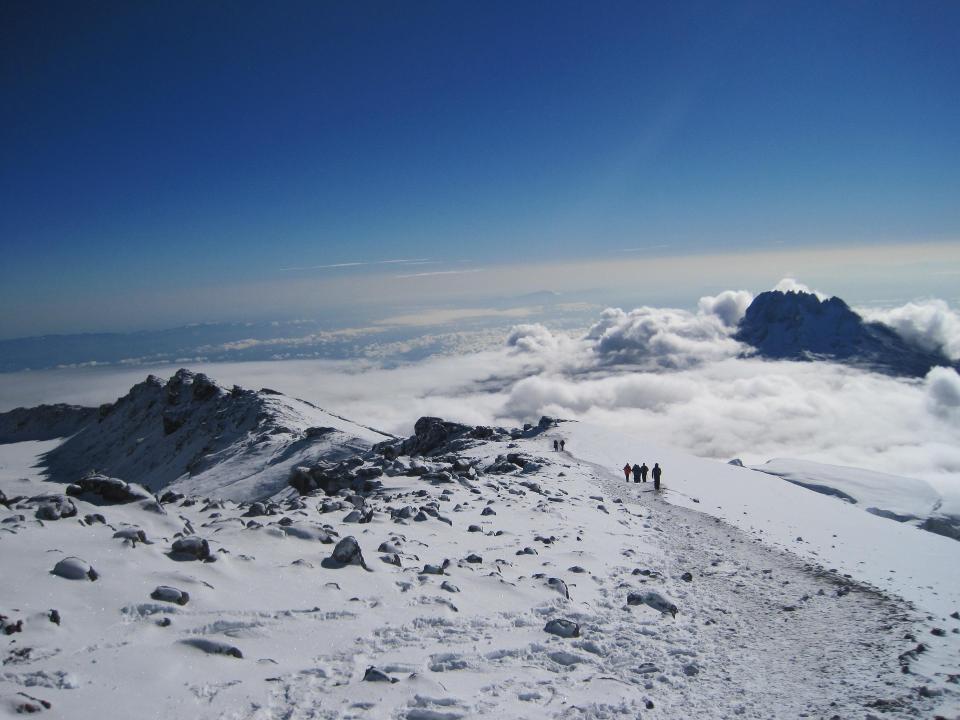
One of the most fascinating aspects of Kilimanjaro National Park is the dramatic change in landscapes as you climb higher.
Cultivation Zone
The lower slopes surrounding the park are covered with farms producing coffee, bananas, maize, and other crops. This fertile area is home to many Chagga communities.
Rainforest Zone
The rainforest is rich with towering trees, colorful flowers, waterfalls, and abundant wildlife. This is where most climbs begin.
Heath and Moorland
As the forest thins, giant heathers, unique plants, and open landscapes begin to dominate the scenery.
Alpine Desert
Higher elevations become dry, rocky, and windswept, creating an almost lunar landscape unlike anywhere else in Tanzania.
Arctic Summit Zone
Near Uhuru Peak, temperatures often fall below freezing, and glaciers, ice fields, and volcanic rock create a dramatic alpine environment.
Walking through these five zones is like traveling from the equator to the Arctic in just a few days.
Wildlife in Kilimanjaro National Park
Although Kilimanjaro is primarily known for trekking, the park also supports a surprising variety of wildlife.
Animals found within the park include:
- Blue monkeys
- Black-and-white colobus monkeys
- Bushbucks
- Duikers
- Buffalo
- Elephants (occasionally in the forest)
- Leopards (rarely seen)
- Bush pigs
- Tree hyraxes
Most wildlife is found within the rainforest zone, where dense vegetation provides food and shelter.
While climbing, it’s not unusual to hear monkeys calling through the forest or spot colorful birds among the trees.
Birdlife in Kilimanjaro National Park
Birdwatchers will find Kilimanjaro National Park particularly rewarding.
More than 180 bird species have been recorded, including:
- Hartlaub’s turaco
- Silvery-cheeked hornbill
- White-necked raven
- Malachite sunbird
- African crowned eagle
- Scarlet-tufted malachite sunbird
- Mountain buzzards
- Cinnamon-chested bee-eaters
The rainforest and moorland zones are especially rich in birdlife.
Climbing Mount Kilimanjaro
For many visitors, climbing Mount Kilimanjaro is the highlight of their trip to Tanzania.
Unlike many of the world’s highest mountains, Kilimanjaro does not require technical climbing skills.
Most climbers reach the summit by hiking over several days while gradually acclimatizing to the altitude.
Popular climbing routes include:
- Lemosho Route
- Machame Route
- Marangu Route
- Rongai Route
- Northern Circuit Route
- Shira Route
- Umbwe Route
Each route offers different scenery, climbing durations, and levels of difficulty.
At Wakati Safari Adventure, we help every climber choose the route that best matches their fitness level, experience, and travel goals.
Day Hikes in Kilimanjaro National Park
Not everyone visiting Kilimanjaro National Park plans to reach the summit.
Fortunately, the park offers several enjoyable day hikes for travelers who want to experience the mountain without committing to a full climb.
Popular options include:
Marangu Gate to Mandara Hut
This scenic forest hike takes visitors through lush rainforest to the first overnight hut on the Marangu Route.
Along the way, you may encounter monkeys, birds, waterfalls, and giant forest trees.
Shira Plateau Excursions
Visitors can also explore the beautiful Shira Plateau while enjoying spectacular mountain scenery and panoramic views.
These day hikes provide an excellent introduction to Kilimanjaro National Park.
Best Time to Visit Kilimanjaro National Park
Kilimanjaro National Park can be visited throughout the year.
January to March
This period offers pleasant temperatures, clear skies, and fewer climbers, making it one of the best times to visit.
June to October
The main dry season provides excellent climbing conditions, clear mountain views, and comfortable hiking weather.
November to December
Short rains bring fresh vegetation while still allowing many enjoyable hiking opportunities.
March to May
Although this is the rainy season, the rainforest becomes especially beautiful, and visitor numbers are lower.
Each season offers its own unique experience.
Photography Opportunities
Kilimanjaro National Park is a dream destination for photographers.
Popular photography subjects include:
- Snow-capped summit
- Sunrise above the clouds
- Giant groundsels
- Rainforest waterfalls
- Alpine landscapes
- Wildlife
- Glaciers
- Chagga villages
- Panoramic mountain views
Early mornings often provide the clearest visibility for capturing Mount Kilimanjaro in all its beauty.
Cultural Experiences Around the Park
The communities surrounding Kilimanjaro National Park are rich in culture and tradition.
Visitors can enjoy:
- Chagga village tours
- Coffee farm visits
- Traditional cooking experiences
- Local markets
- Cultural museums
- Waterfall excursions
These experiences provide a deeper understanding of the people who have lived on the mountain’s slopes for generations.
Conservation in Kilimanjaro National Park
Kilimanjaro National Park plays a vital role in protecting biodiversity, forests, water sources, and wildlife.
The mountain supplies water to millions of people living in northern Tanzania, making conservation efforts critically important.
Responsible tourism also supports local employment through guides, porters, cooks, drivers, accommodation providers, and community businesses.
At Wakati Safari Adventure, we are proud to support sustainable tourism practices that help protect Kilimanjaro for future generations.
Why Choose Wakati Safari Adventure?
Climbing Kilimanjaro or visiting the national park is a once-in-a-lifetime experience, and choosing the right team makes all the difference.
At Wakati Safari Adventure, we provide:
- Experienced mountain guides
- Personalized climbing itineraries
- Professional porters and cooks
- Daily health monitoring
- High-quality camping equipment
- Safe and well-paced climbs
- Comfortable airport transfers
- Friendly local knowledge
- Dedicated customer support from arrival to departure
Our goal is to help you experience Kilimanjaro safely while creating memories you’ll treasure for years to come.
Frequently Asked Questions
Is Kilimanjaro National Park only for climbers?
No. Visitors can enjoy day hikes, cultural tours, birdwatching, photography, and scenic excursions without climbing to the summit.
How many days does it take to climb Mount Kilimanjaro?
Most climbs take between six and eight days, depending on the route chosen.
Can beginners climb Kilimanjaro?
Yes. Many first-time hikers successfully reach Uhuru Peak each year with proper preparation and experienced guides.
What animals live in Kilimanjaro National Park?
The park is home to monkeys, bushbucks, duikers, buffalo, elephants, numerous bird species, and many smaller mammals.
Which is the best time to visit?
January to March and June to October are generally considered the best periods because of favorable weather and good visibility.
Discover Kilimanjaro National Park with Wakati Safari Adventure
Kilimanjaro National Park is much more than the home of Africa’s highest mountain. It is a place where breathtaking landscapes, diverse ecosystems, fascinating wildlife, and rich cultural heritage come together to create one of the world’s most remarkable travel destinations.
Whether you dream of reaching Uhuru Peak, exploring ancient rainforests, discovering Chagga culture, or simply standing beneath the majestic slopes of Mount Kilimanjaro, every visit offers an unforgettable experience.
At Wakati Safari Adventure, we’re committed to making your journey as rewarding as the destination itself. With experienced guides, personalized service, and a passion for sharing the beauty of Tanzania, we’ll help you experience Kilimanjaro National Park in a way that is safe, authentic, and truly memorable.
Your adventure begins here—let Wakati Safari Adventure guide you to the heart of Africa’s most iconic mountain.
