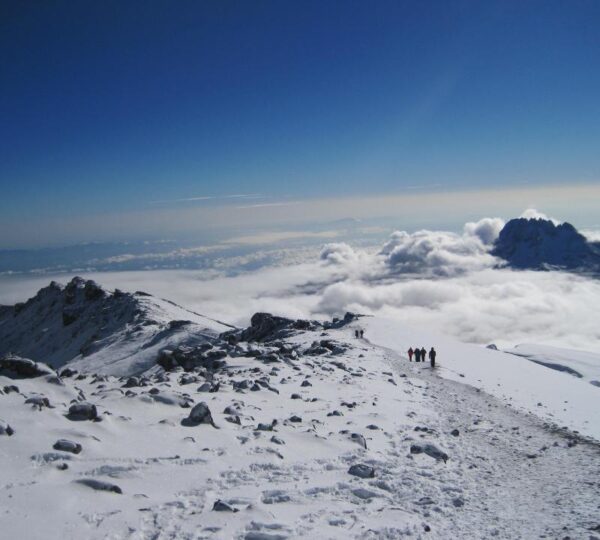
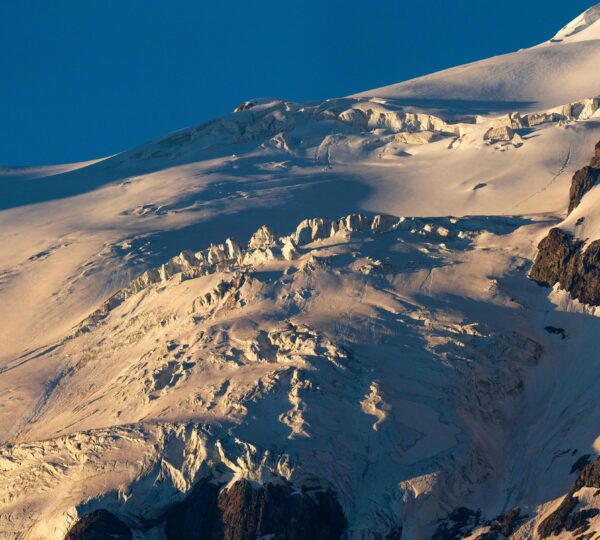
The 8 Days Mount Kilimanjaro Lemosho Route is widely regarded as one of the best ways to climb Africa’s highest mountain. Known for its spectacular scenery, gradual ascent, and excellent acclimatization profile, the Lemosho Route offers one of the highest summit success rates on Mount Kilimanjaro. Beginning on the remote western side of the mountain, the trail crosses diverse landscapes, from lush rainforest and giant heather moorlands to alpine desert and the snow-covered summit of Uhuru Peak.
Unlike some of the shorter routes, the 8-day itinerary allows your body more time to adjust to the increasing altitude, significantly improving your chances of reaching the summit safely and comfortably. Throughout the climb, you’ll experience breathtaking scenery, encounter unique mountain vegetation, and enjoy panoramic views of Mount Meru, the Shira Plateau, and the endless plains of northern Tanzania.
Whether you are an experienced hiker or taking on your first high-altitude mountain adventure, the Lemosho Route offers an unforgettable journey to the Roof of Africa. At Wakati Safari Adventure, our experienced mountain guides, professional support crew, and carefully planned itineraries ensure that your climb is both safe and rewarding.
Route Overview
Duration: 8 Days / 7 Nights
Route: Lemosho Route
Starting Point: Londorossi Gate
Ending Point: Mweka Gate
Highest Point: Uhuru Peak (5,895 metres)
Difficulty Level: Moderate to Challenging
Success Rate: Excellent due to superior acclimatization
Accommodation: Mountain Camping
Best Time to Climb
- January to March
- June to October
- December
Why Choose the Lemosho Route?
The Lemosho Route is often recommended as the best overall route on Mount Kilimanjaro. It combines outstanding scenery, fewer crowds during the first few days, and a gradual ascent that greatly improves acclimatization.
Beginning on the western side of the mountain, hikers cross the beautiful Shira Plateau before joining the Machame Route near Lava Tower. This longer approach allows climbers to follow the important “climb high, sleep low” principle, helping the body adapt naturally to higher elevations.
The route also offers excellent wildlife viewing opportunities during the first day through the rainforest, where black-and-white colobus monkeys, blue monkeys, and colourful birds are occasionally spotted.
For climbers seeking the highest chance of standing on Uhuru Peak while enjoying some of Kilimanjaro’s finest scenery, the Lemosho Route is an outstanding choice.
Day 1: Londorossi Gate to Mti Mkubwa Camp
Elevation
- Start: 2,100 metres
- Camp: 2,820 metres
Distance: Approximately 6 kilometres
Hiking Time: 3–4 Hours
Your adventure begins with an early morning departure from Moshi or Arusha after breakfast. The drive to Londorossi Gate takes you through rural villages, coffee plantations, and beautiful mountain scenery before arriving at Kilimanjaro National Park for registration.
After completing the necessary formalities, you will continue by vehicle to the Lemosho trailhead.
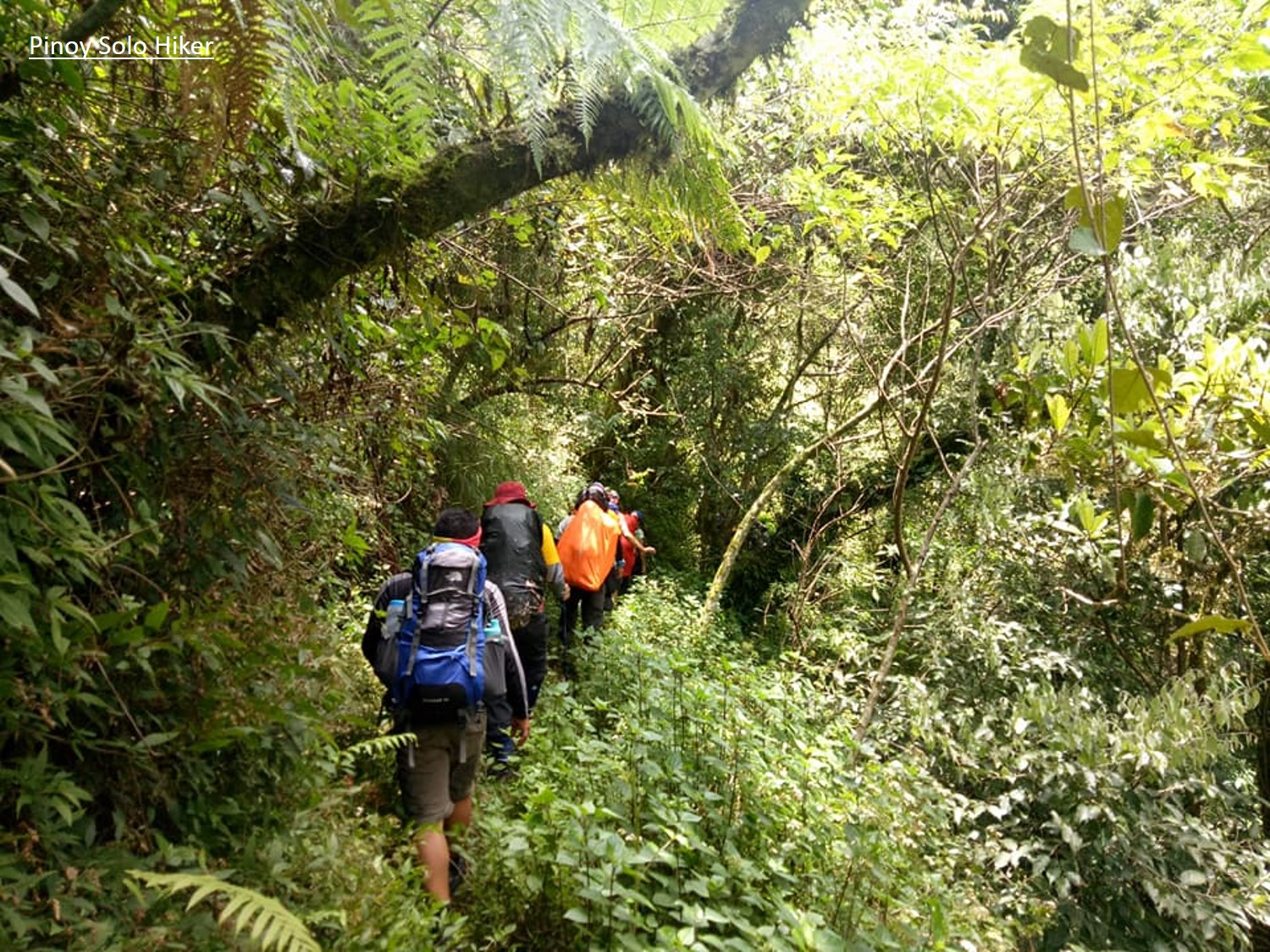
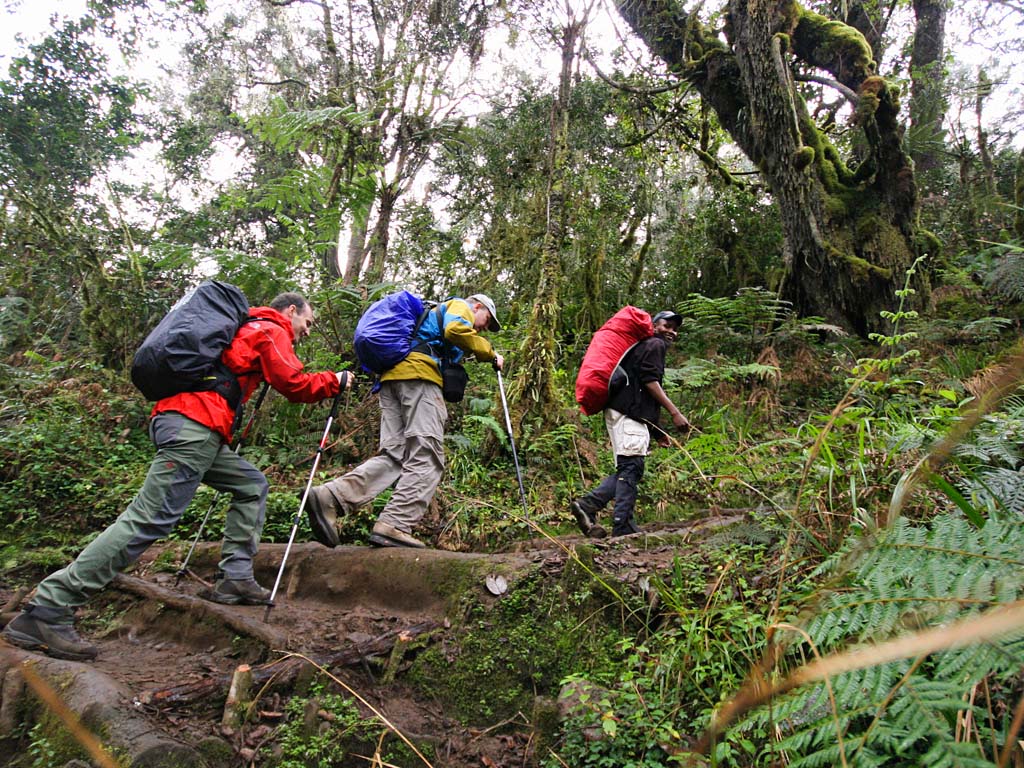
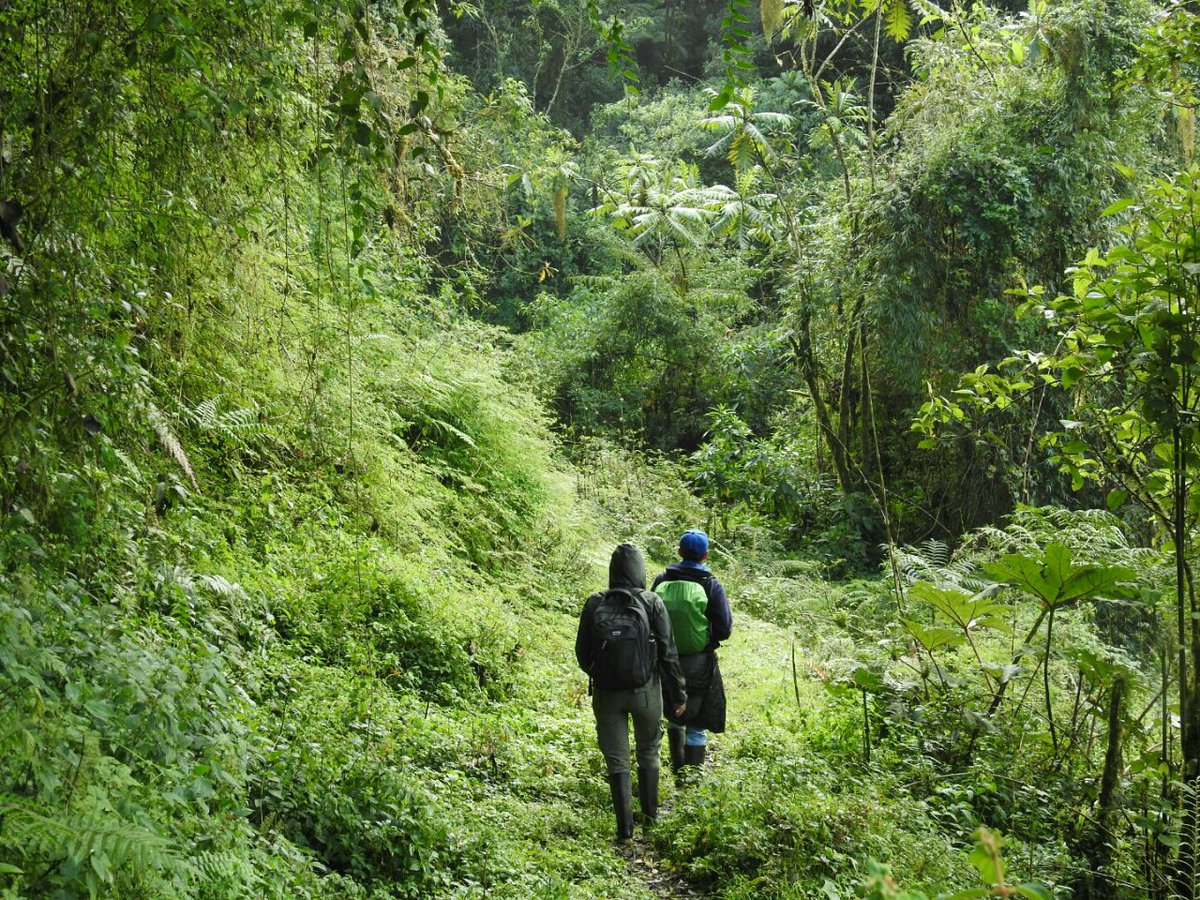
The first day’s hike takes you through one of Kilimanjaro’s oldest rainforests. Towering trees, moss-covered branches, colourful wildflowers, and fresh mountain air create an unforgettable introduction to the climb.
Keep an eye out for black-and-white colobus monkeys swinging through the forest canopy, blue monkeys, and numerous bird species.
The gentle trail gradually climbs toward Mti Mkubwa Camp, also known as Big Tree Camp, where your mountain crew will already have your tents prepared.
After a warm dinner, your guides will provide a briefing about the following day’s climb before you settle in for your first night on the mountain.
Meals: Breakfast, Lunch and Dinner
Accommodation: Mti Mkubwa Camp
Day 2: Mti Mkubwa Camp to Shira 1 Camp
Elevation
- Start: 2,820 metres
- Camp: 3,505 metres
Distance: Approximately 8 kilometres
Hiking Time: 5–6 Hours
After breakfast, you leave the rainforest behind as the landscape gradually transforms into open heathland and giant heather.
The vegetation becomes less dense, offering magnificent views of Mount Meru in the distance and the rolling plains below.
Today’s hike introduces you to the spectacular Shira Plateau, one of the oldest volcanic features on Mount Kilimanjaro.
The scenery becomes increasingly dramatic as volcanic rock formations, giant lobelias, and unique alpine plants begin to dominate the landscape.
Upon arrival at Shira 1 Camp, you’ll enjoy stunning sunset views while relaxing after another successful day of hiking.
Meals: Breakfast, Lunch and Dinner
Accommodation: Shira 1 Camp
Day 3: Shira 1 Camp to Shira 2 Camp
Elevation
- Start: 3,505 metres
- Camp: 3,850 metres
Distance: Approximately 7 kilometres
Hiking Time: 4–5 Hours
Today’s walk is relatively gentle, allowing your body additional time to acclimatize while crossing the expansive Shira Plateau.
This is one of the most scenic sections of the entire route, with panoramic views stretching across the mountain and surrounding plains.
As you gain elevation, the summit of Kilimanjaro becomes increasingly visible, offering excellent opportunities for photography.
The slower pace today plays an important role in preparing your body for higher altitudes later in the climb.
Upon reaching Shira 2 Camp, your guides will conduct a health check before dinner to monitor your acclimatization progress.
Meals: Breakfast, Lunch and Dinner
Accommodation: Shira 2 Camp
Day 4: Shira 2 Camp to Barranco Camp via Lava Tower
Elevation
- Highest Point: 4,630 metres
- Camp: 3,960 metres
Distance: Approximately 10 kilometres
Hiking Time: 6–8 Hours
Today is considered one of the most important acclimatization days of the entire expedition.
The trail climbs steadily toward Lava Tower, a striking volcanic rock formation standing at approximately 4,630 metres.
Although the altitude may begin to feel more noticeable, your guides will encourage a slow and steady pace while regularly checking everyone’s condition.
After lunch near Lava Tower, the trail descends gradually into the beautiful Barranco Valley.
Descending to sleep at a lower altitude helps your body adapt naturally while following the highly effective “climb high, sleep low” strategy.
Barranco Camp is surrounded by giant senecio plants and impressive cliffs, creating one of Kilimanjaro’s most picturesque campsites.
Meals: Breakfast, Lunch and Dinner
Accommodation: Barranco Camp
Day 5: Barranco Camp to Karanga Camp
Elevation
- Start: 3,960 metres
- Camp: 4,035 metres
Distance: Approximately 5 kilometres
Hiking Time: 4–5 Hours
After breakfast, you begin the day by climbing the famous Barranco Wall.
Although it may appear intimidating from below, the climb is surprisingly manageable and is often considered one of the most exciting sections of the route.
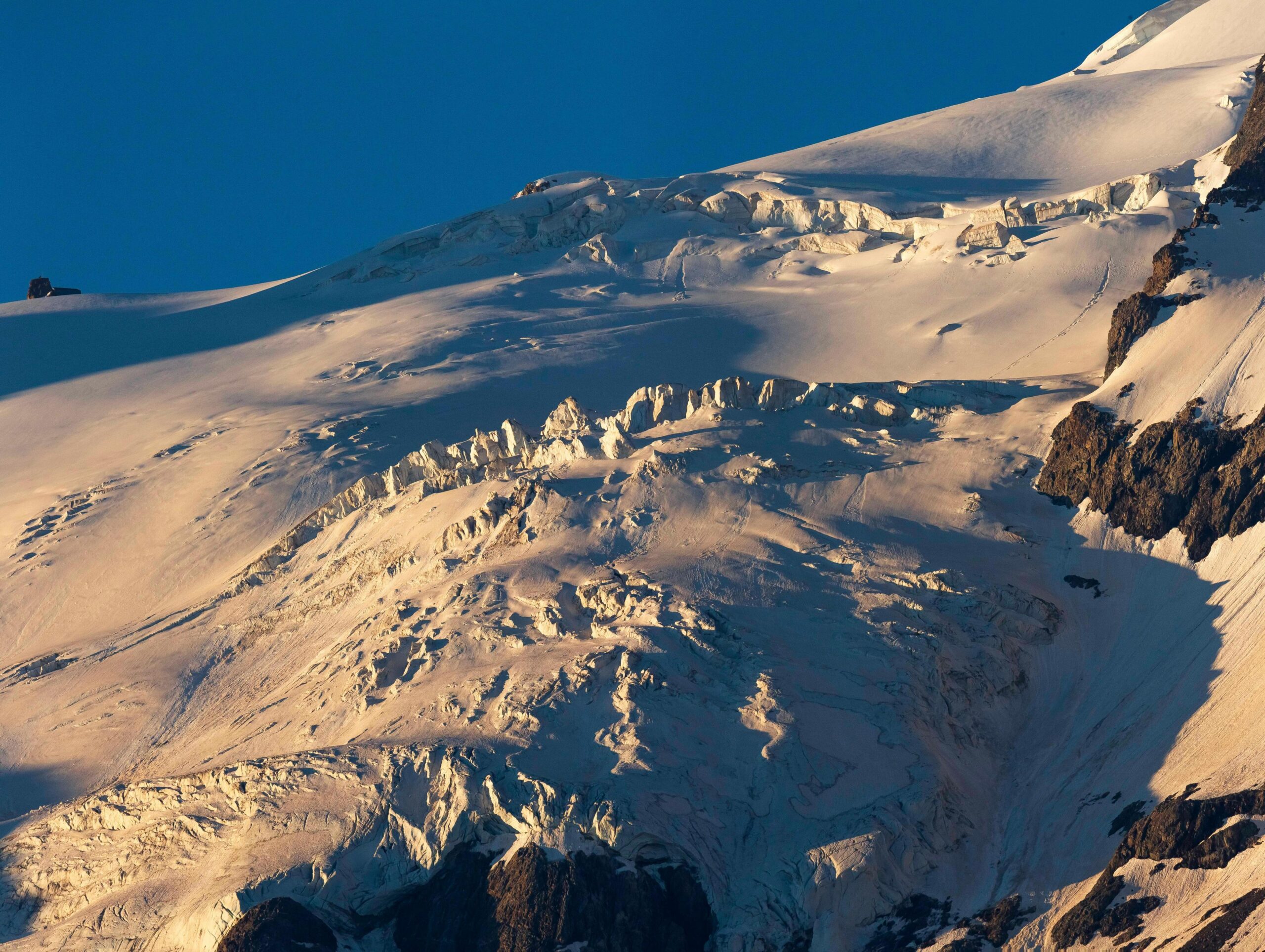
With guidance from your experienced mountain team, you will carefully make your way to the top before enjoying spectacular views across the glaciers and valleys below.
The trail then continues through rolling alpine terrain toward Karanga Camp.
Arriving relatively early gives you time to rest, hydrate, and continue acclimatizing before summit day approaches.
Meals: Breakfast, Lunch and Dinner
Accommodation: Karanga Camp
Day 6: Karanga Camp to Barafu Camp
Elevation
- Start: 4,035 metres
- Camp: 4,640 metres
Distance: Approximately 4 kilometres
Hiking Time: 3–4 Hours
Today’s hike is shorter but very important as you reach Barafu Camp, your final campsite before the summit attempt.
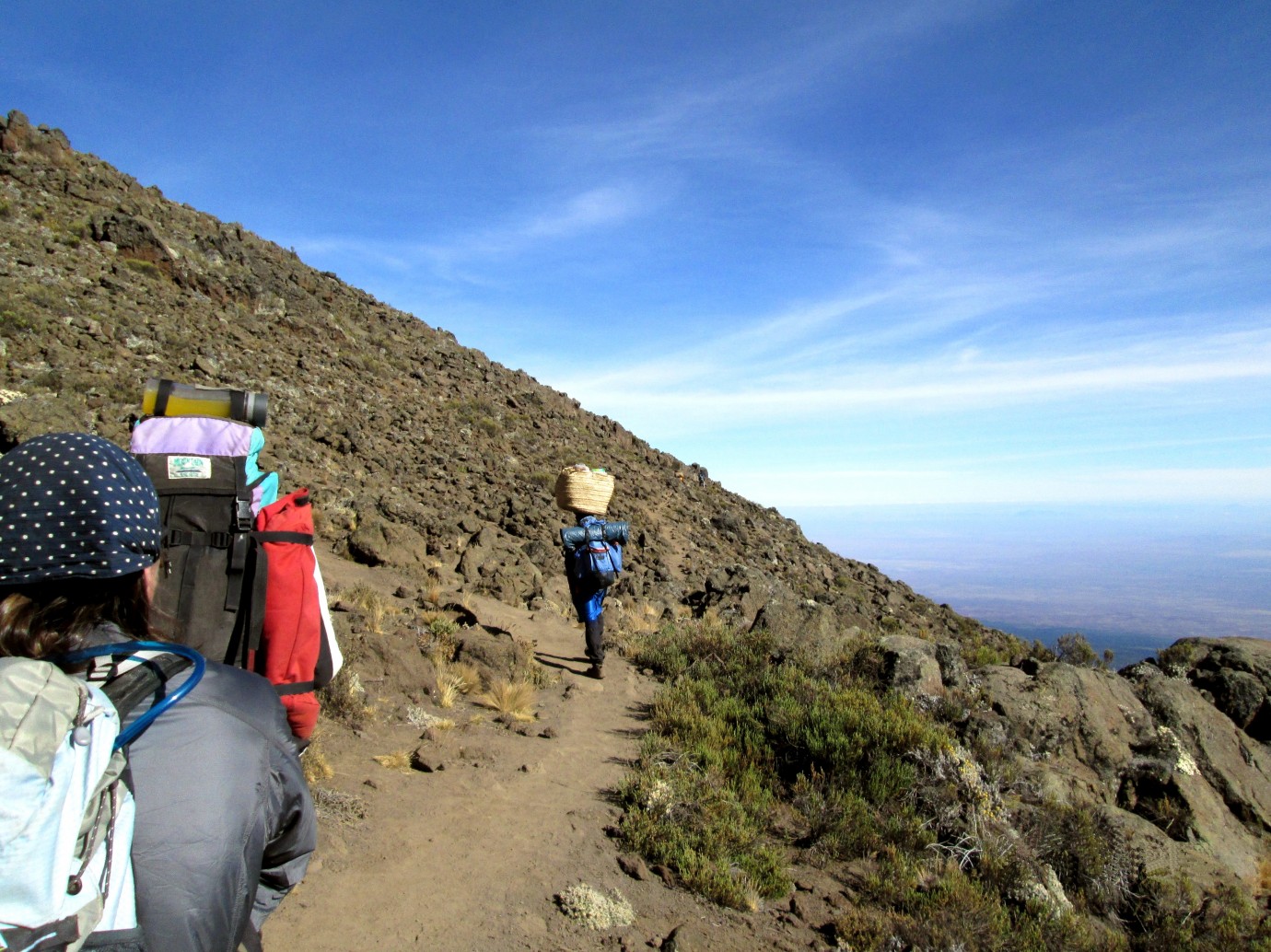
The surrounding landscape has now transformed into a high-altitude alpine desert where vegetation is almost entirely absent.
Upon arrival, your guides will help you prepare your equipment for the summit climb.
After an early dinner, you will rest for several hours before waking around midnight to begin your ascent toward Uhuru Peak.
Your guide will carefully review summit procedures, safety advice, and clothing requirements to ensure everyone is fully prepared.
Meals: Breakfast, Lunch and Dinner
Accommodation: Barafu Camp
Day 7: Barafu Camp to Uhuru Peak and Descend to Mweka Camp
Elevation
- Summit: 5,895 metres
- Camp: 3,100 metres
Distance: Approximately 17 kilometres
Hiking Time: 10–15 Hours
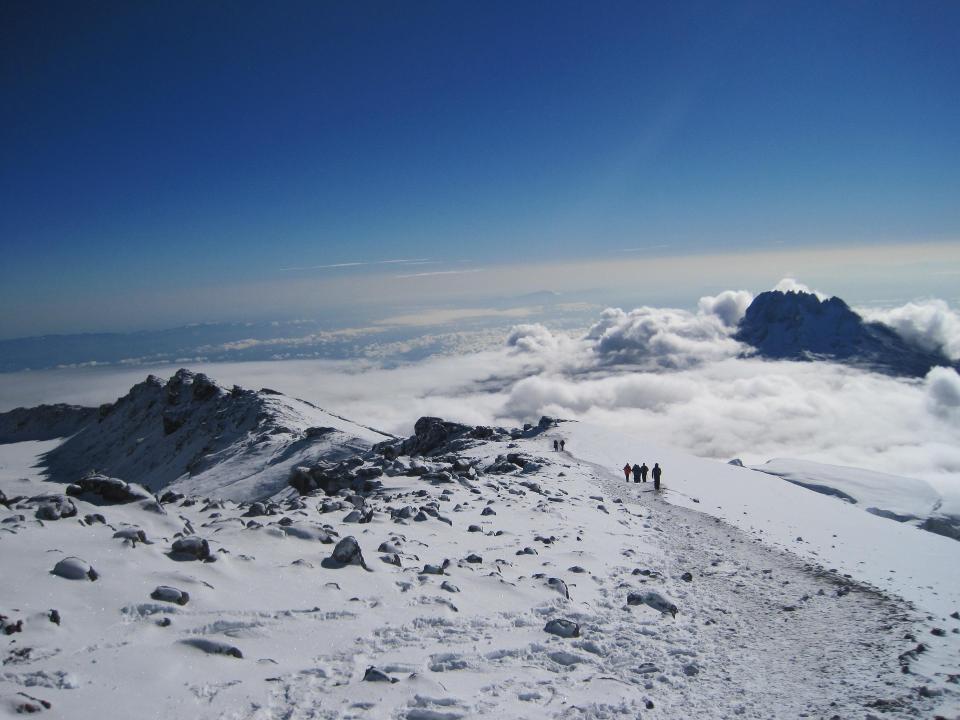
Around midnight, your summit attempt begins beneath a sky filled with countless stars.
Moving slowly together, your group ascends across steep volcanic scree while your guides carefully monitor your pace and wellbeing.
After several hours of determined climbing, you reach Stella Point on the crater rim just before sunrise.
From here, the final section to Uhuru Peak becomes a truly unforgettable experience.
As the first rays of sunlight illuminate the glaciers and endless African plains below, you will finally arrive at Uhuru Peak, the highest point in Africa.
Standing at 5,895 metres is a moment that few people ever experience and one that will remain with you for the rest of your life.
After celebrating, taking photographs, and enjoying the incredible views, you begin your descent back to Barafu Camp for a short rest before continuing down to Mweka Camp.
Although it is a long day, descending to lower altitude greatly improves recovery.
Meals: Breakfast, Lunch and Dinner
Accommodation: Mweka Camp
Day 8: Mweka Camp to Mweka Gate
Elevation
- Start: 3,100 metres
- Finish: 1,640 metres
Distance: Approximately 10 kilometres
Hiking Time: 3–4 Hours
Your final morning begins with breakfast before descending through Kilimanjaro’s beautiful rainforest.
The fresh air, towering trees, and birdsong provide a peaceful ending to an extraordinary adventure.
Upon reaching Mweka Gate, you will officially complete your Mount Kilimanjaro climb.
Your successful summit will be recognised with an official Kilimanjaro National Park certificate, awarded to every climber who reaches the summit.
After celebrating with your mountain crew, you will transfer back to your hotel in Moshi or Arusha for a well-earned hot shower and comfortable night’s rest.
Although your climb has come to an end, the friendships formed, personal achievement, and unforgettable memories of standing on Africa’s highest mountain will stay with you forever.
Meals: Breakfast and Lunch
What’s Included
- Airport pick-up and drop-off
- Transfers to and from Kilimanjaro National Park
- Professional English-speaking mountain guides
- Certified assistant guides
- Experienced mountain porters
- Professional mountain cook
- Kilimanjaro National Park entrance fees
- Camping fees
- Rescue fees
- All mountain tents
- Sleeping tents and dining tent
- Tables and chairs
- Three freshly prepared meals daily on the mountain
- Boiled and filtered drinking water
- Daily health monitoring using pulse oximeter
- Emergency oxygen cylinder
- First aid kit
- Government taxes and VAT
- Summit certificate
What’s Excluded
- International and domestic flights
- Tanzania Visa
- Travel and medical insurance (mandatory)
- Sleeping bag (available for rent)
- Personal climbing equipment
- Tips for guides, porters, and cook
- Personal expenses
- Alcoholic and soft drinks
- Laundry services
- Accommodation before and after the climb unless included in your package
Recommended Packing List
To ensure a safe and comfortable climb, every climber should bring high-quality hiking boots, warm thermal clothing, waterproof jacket and trousers, insulated gloves, a warm hat, sun hat, sunglasses, trekking poles, headlamp with spare batteries, reusable water bottles or hydration bladder, sunscreen, personal toiletries, lip balm, and a four-season sleeping bag. Layered clothing is essential, as temperatures can range from warm tropical conditions at the base of the mountain to well below freezing during the summit ascent.
Why Choose Wakati Safari Adventure?
At Wakati Safari Adventure, we understand that climbing Mount Kilimanjaro is much more than reaching the summit—it’s a personal journey, a challenge, and a lifelong achievement. Our experienced mountain guides are trained in high-altitude safety, wilderness first aid, and acclimatization techniques, ensuring you receive professional support every step of the way. We maintain small group sizes, provide quality camping equipment, prepare nutritious meals, and closely monitor every climber’s health throughout the expedition. From your arrival in Tanzania to your successful summit of Uhuru Peak and your return to the hotel, our dedicated team is committed to making your Kilimanjaro adventure safe, enjoyable, and truly unforgettable.