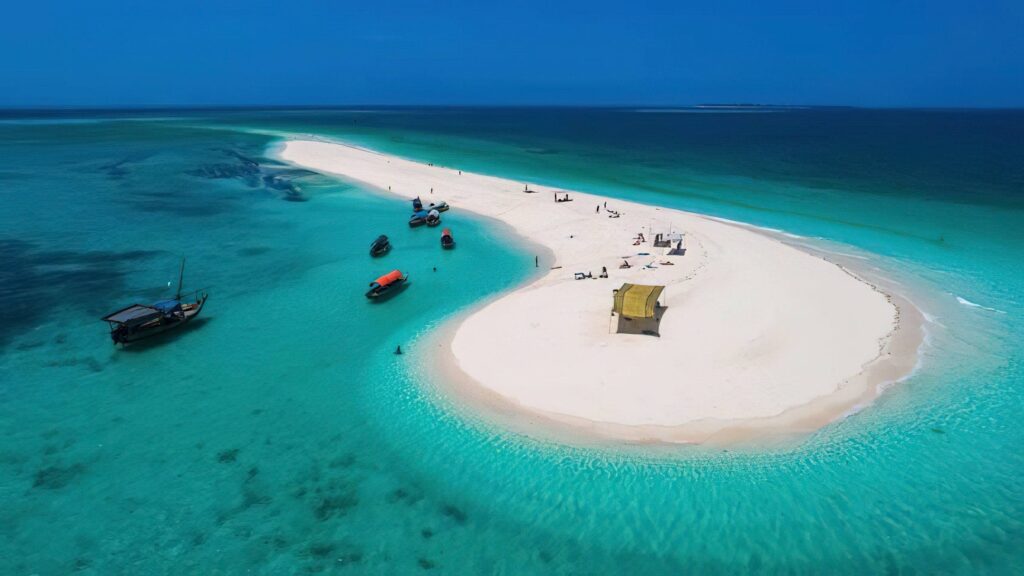
Tanzania’s Tropical Island Paradise
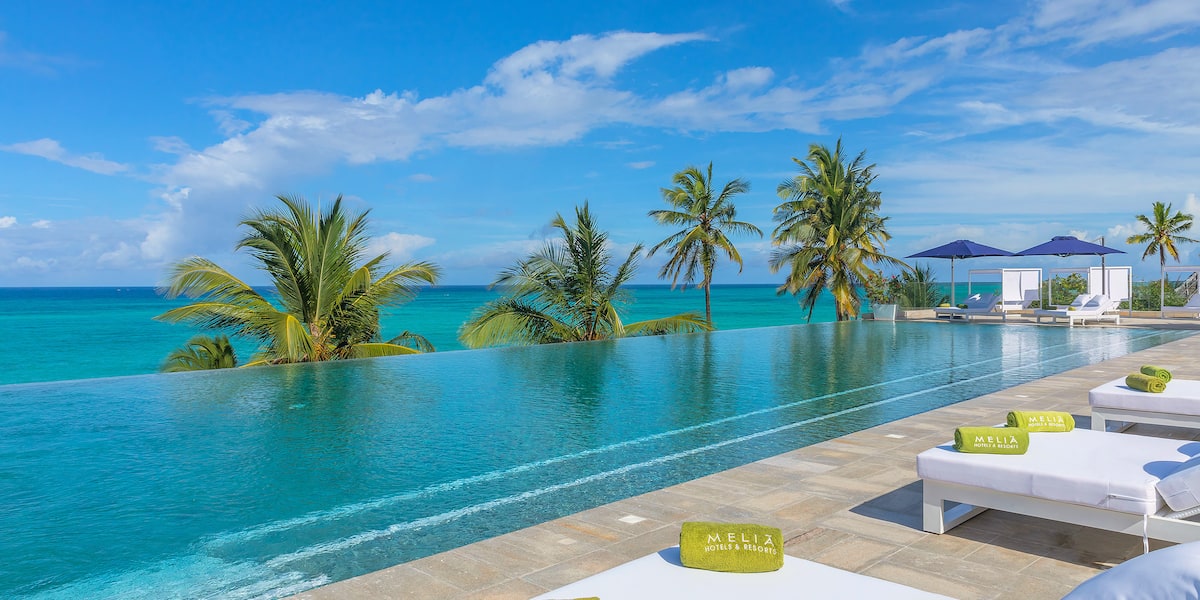
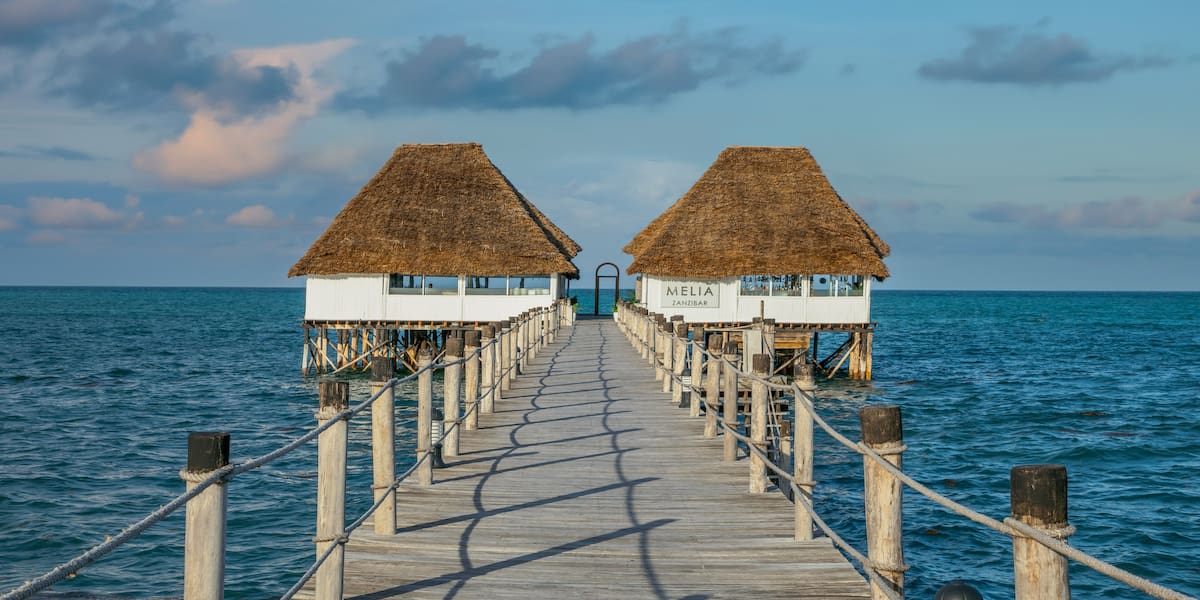
Zanzibar is a beautiful Indian Ocean destination known for its white-sand beaches, turquoise waters and rich cultural heritage. Located off the coast of mainland Tanzania, the Zanzibar Archipelago includes Unguja, commonly called Zanzibar Island, and Pemba Island, along with smaller islands. Visitors can enjoy relaxing beach holidays, water sports, cultural tours and romantic coastal escapes.
Historic Stone Town
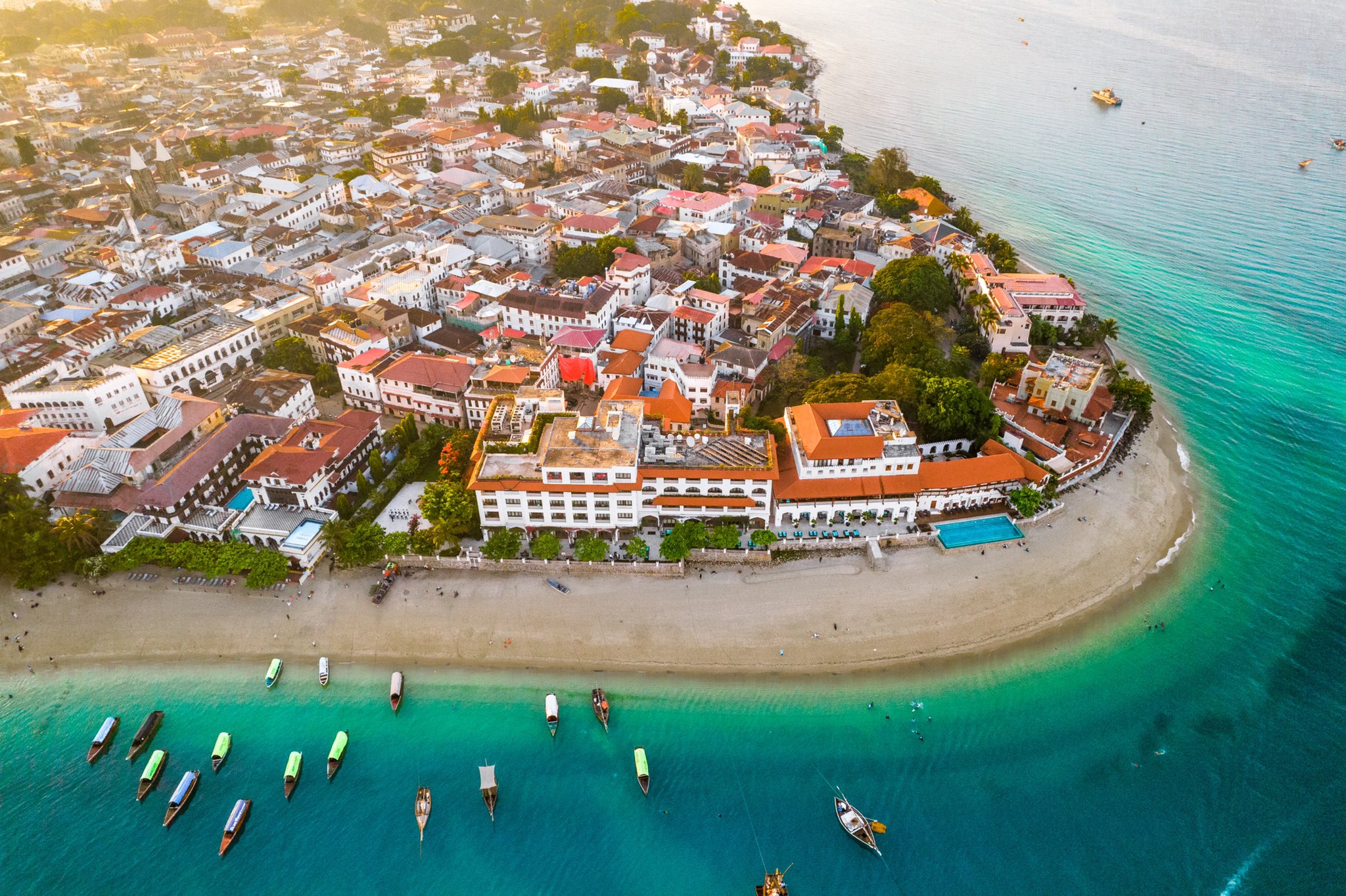
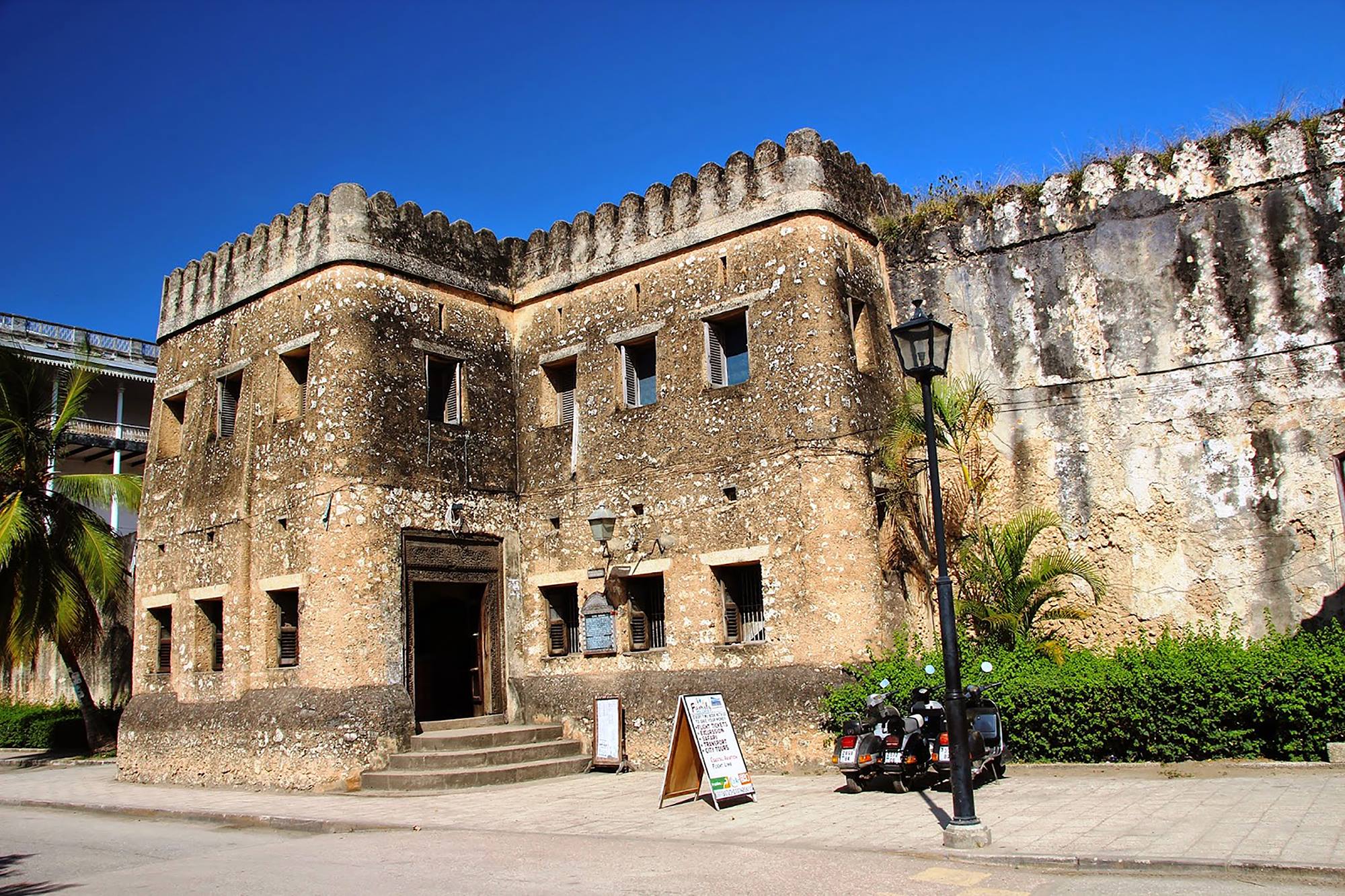
Stone Town is the historic heart of Zanzibar City and a UNESCO World Heritage Site. Its narrow streets, carved wooden doors, coral-stone buildings and lively markets reflect centuries of African, Arab, Indian and European influences. Visitors can explore historic landmarks, discover local crafts and experience the island’s distinctive Swahili culture. A guided walking tour offers a closer look at the history and traditions that shaped Zanzibar.
White-Sand Beaches and Turquoise Waters
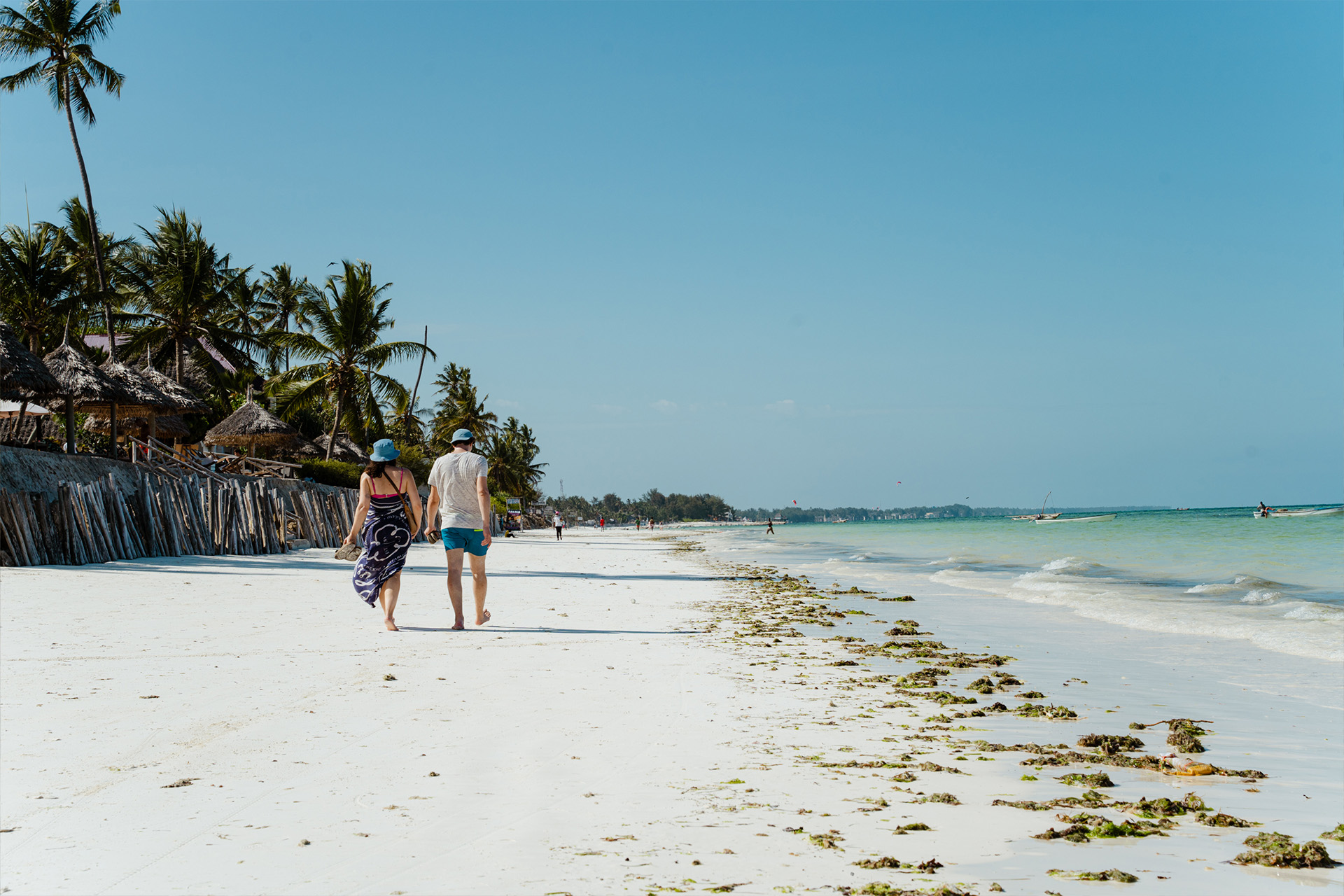
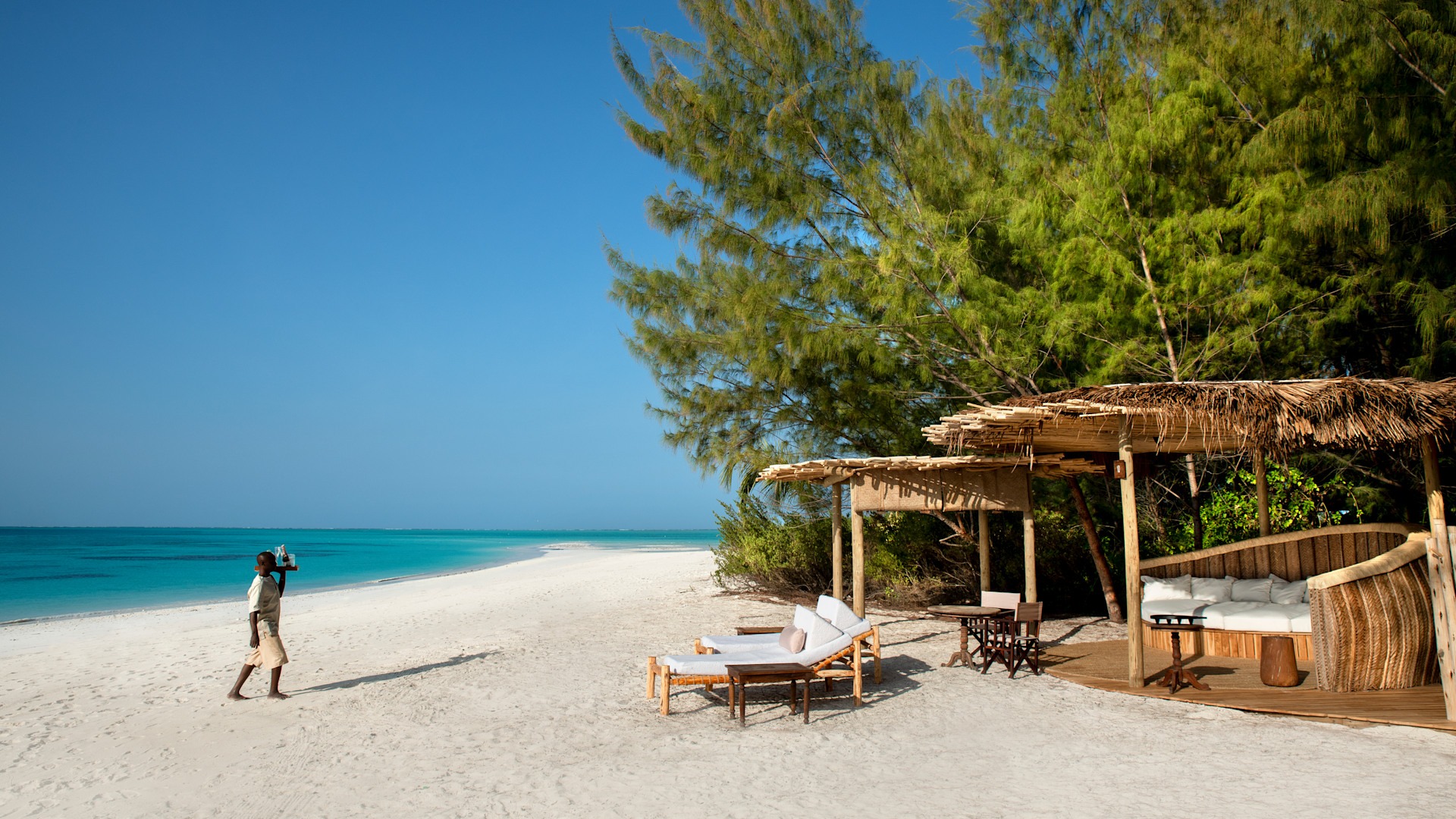
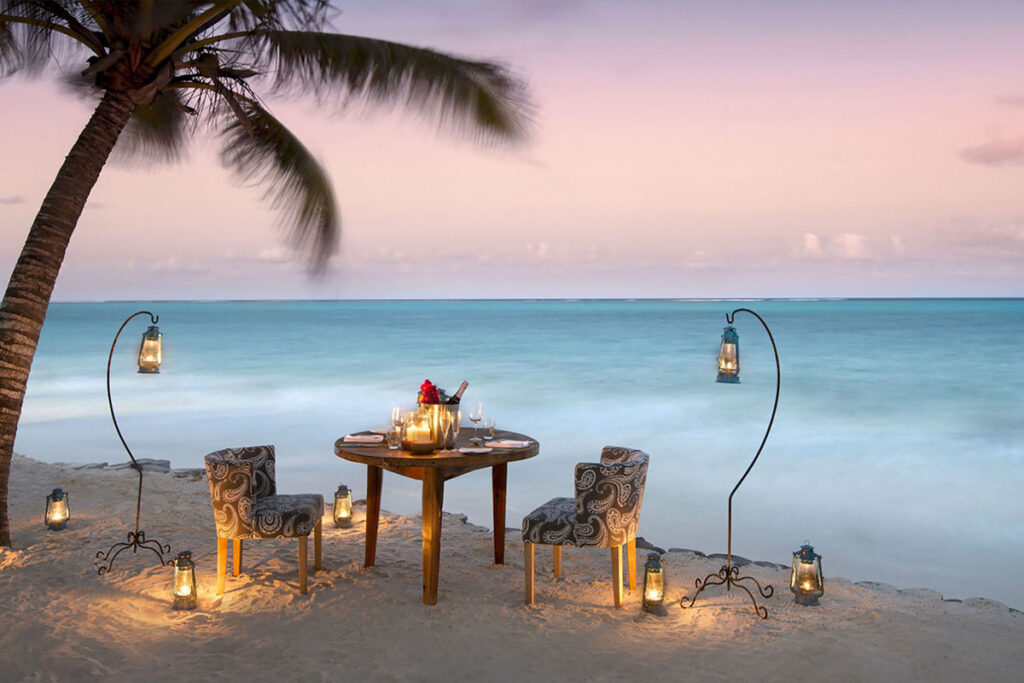
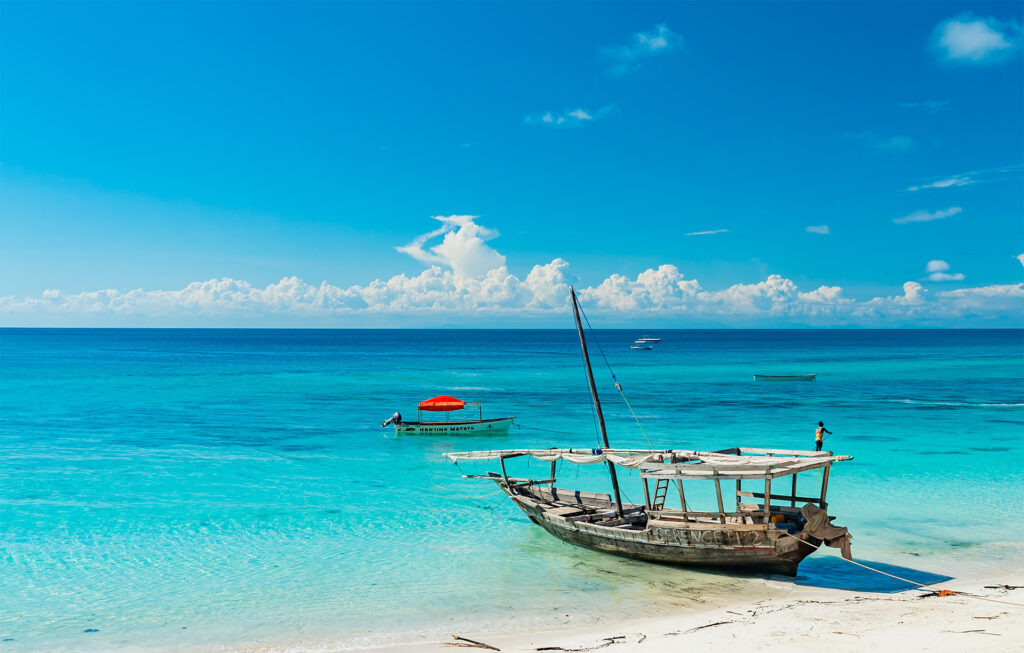
Zanzibar is famous for its palm-fringed coastline and clear Indian Ocean waters. Nungwi and Kendwa, on the northern coast, are popular for swimming and sunset views. Paje and Jambiani, on the southeast coast, attract visitors with their long beaches, laid-back atmosphere and kiteboarding opportunities. Tides vary around the island, so swimming conditions depend on the beach and time of day.
Spice Farms and Swahili Culture
Zanzibar has a long history of spice cultivation and trade. Guided spice tours introduce visitors to cloves, cinnamon, nutmeg, vanilla and other tropical plants. These experiences often include learning about traditional uses of spices and tasting locally prepared ingredients. The island’s food, language, architecture and customs also reflect a distinctive Swahili heritage shaped by centuries of Indian Ocean trade.
Marine Adventures and Island Excursions
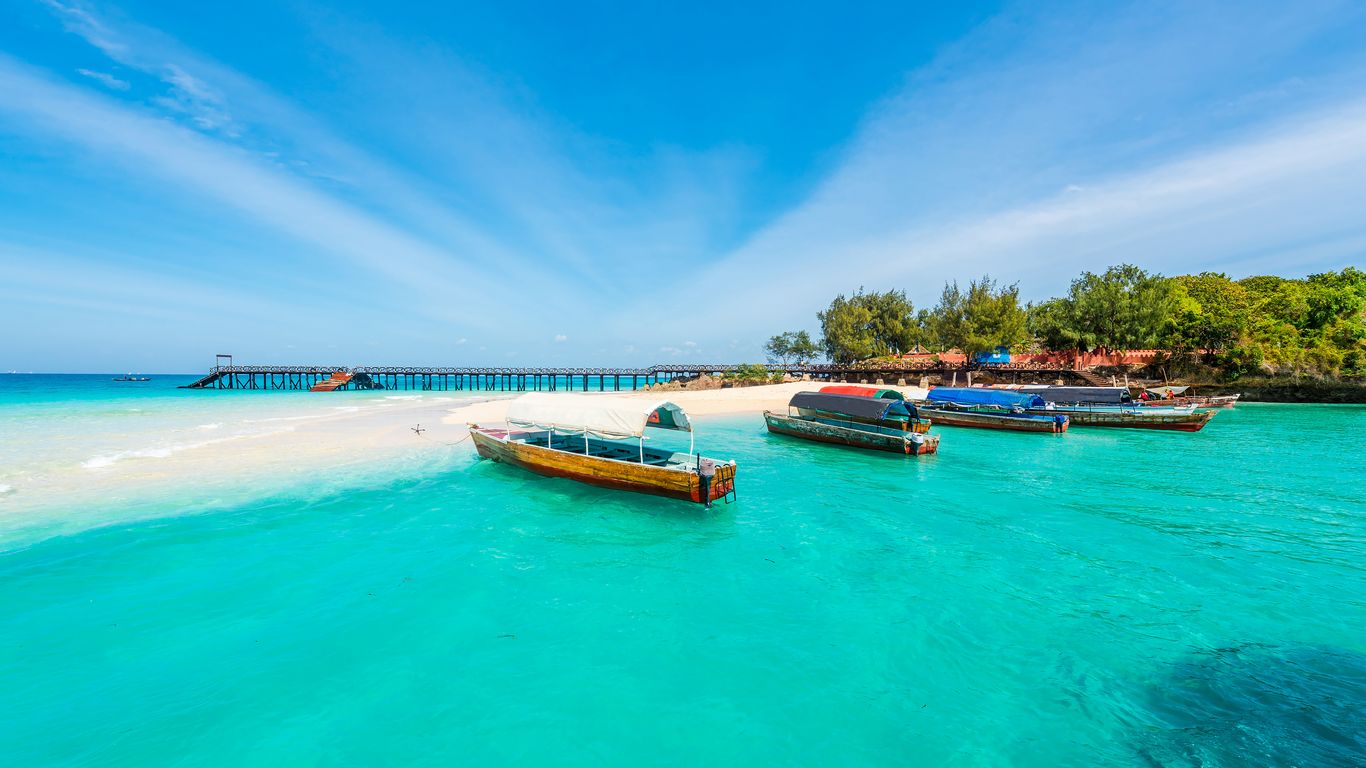
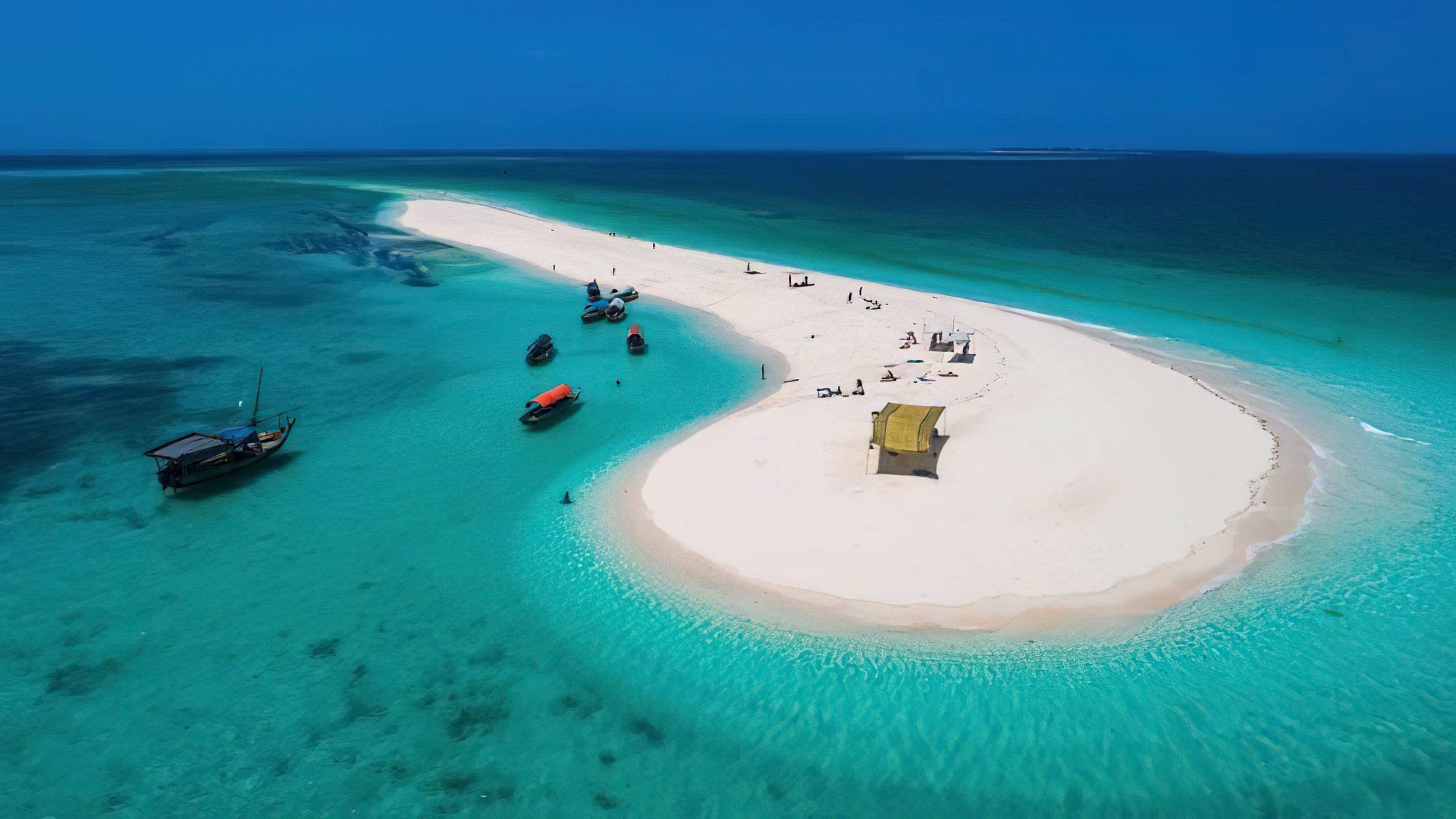
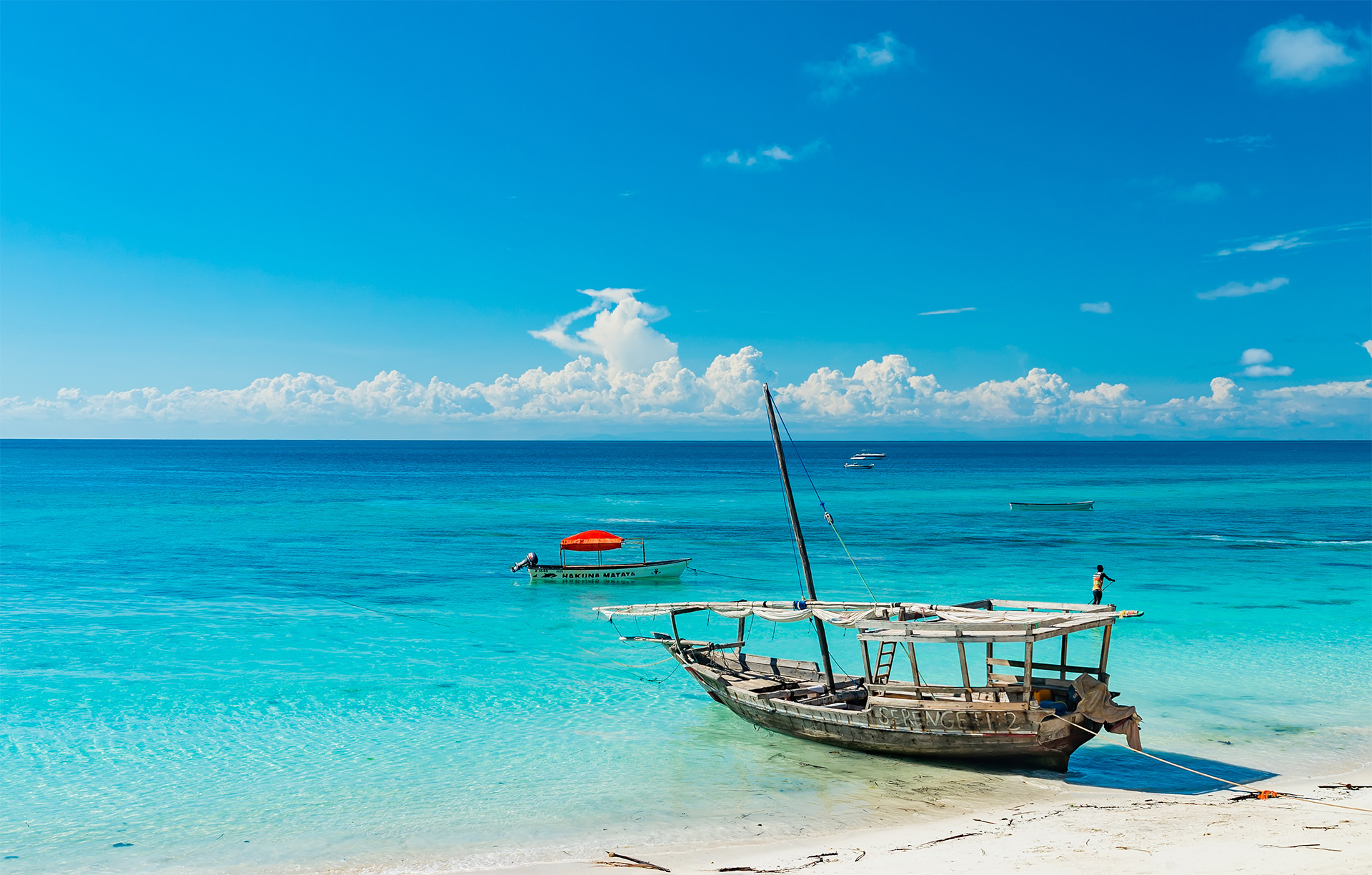
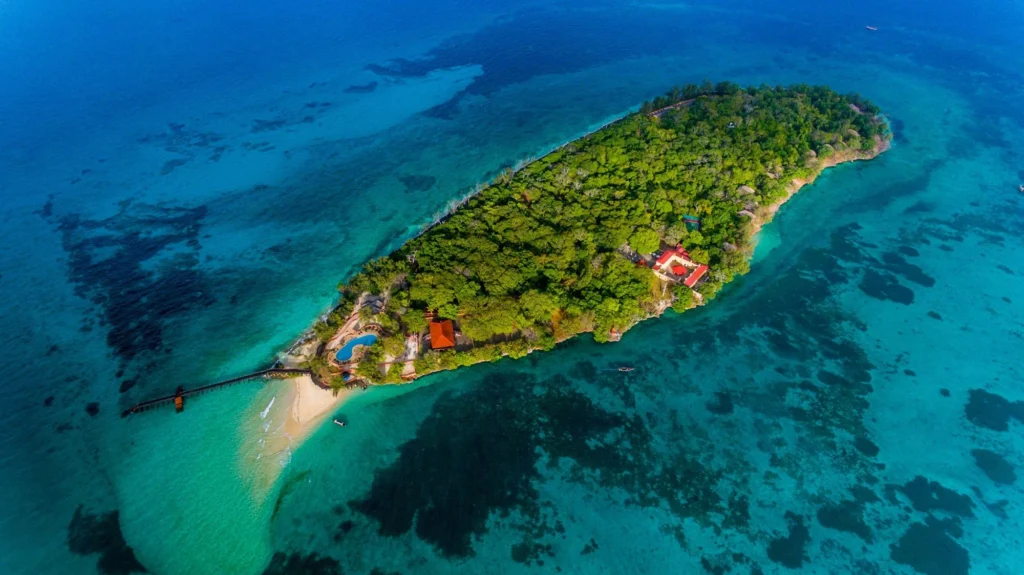
The waters around Zanzibar offer opportunities for snorkelling, scuba diving, sailing and boat trips. Mnemba Atoll is known for its coral reefs and marine life, while Chumbe Island is recognised for its protected coral reef and marine conservation. Visitors can also take traditional dhow cruises, explore nearby sandbanks or arrange excursions to smaller islands. Responsible operators help protect fragile marine habitats and wildlife.